The skin is the largest organ of the human body. It protects against sun, cold, and pathogens and requires appropriate care. With a healthy lifestyle and the right care, you can sustainably improve your skin complexion.
The Essentials: Getting Better Skin
To achieve better skin and sustainably strengthen your skin complexion, various factors play a role. The right care for your skin type is just as important as daily UV protection. True beauty also comes from within – a healthy diet should not be neglected.
Impure Skin: Causes and Triggers
Before you begin with skin care, you must first find out what the causes of dryness, acne, or redness are.
Your skin consists of countless small sebaceous glands responsible for producing skin oil. This oil forms an important protective barrier against bacteria, dust, temperatures, and other external influences. Disrupted sebum production weakens this protective shield and affects your skin complexion.
- Insufficient sebum production leads to dry, cracked, and wrinkled skin, and promotes redness and itching.
- If the glands are too active, pores become clogged by excess oil, resulting in blackheads and pimples.
In addition to physical causes, there are other triggers for impure skin, which are promoted by external or genetic factors. These include an unhealthy diet, excessive stress, weather and temperatures, as well as (pre-existing) skin conditions, e.g., neurodermatitis.
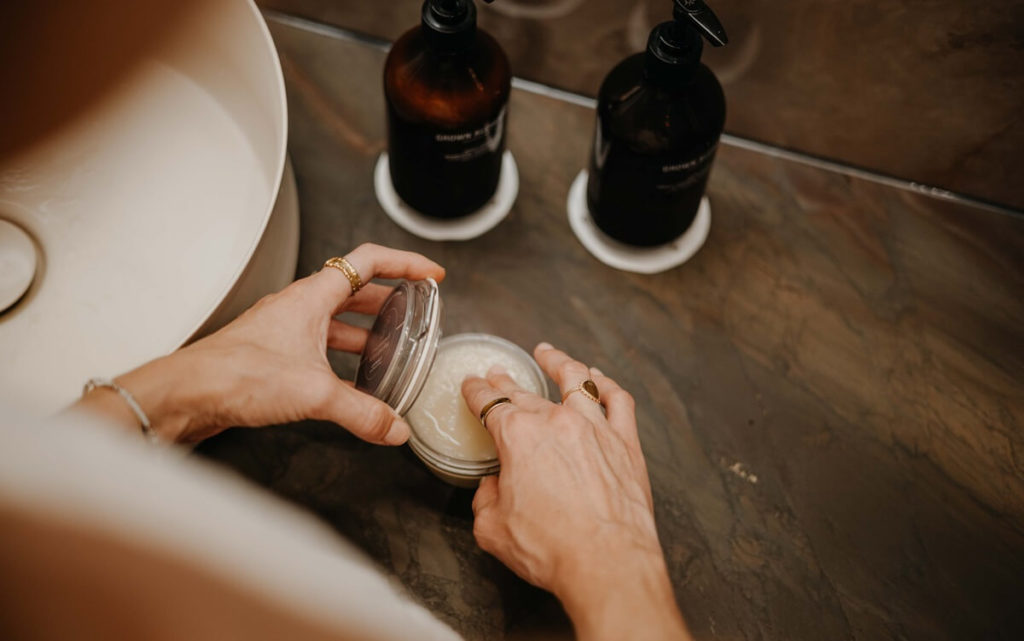
Discover high-quality Ayurvedic cosmetics and body care products now
Naturally beautiful with Ayurveda! Our Ayurvedic cosmetics combine traditional recipes with high-quality, natural ingredients. Each product is designed to support your skin in its individual balance – perfect for sustainably improving your skin complexion!
Know Your Skin Type: How to Treat Your Skin Correctly
You now know the possible triggers for your skin problems. Below, you will learn more about the different skin types and appropriate treatments.

Normal Skin
Normal skin is neither too dry nor too oily and has an even appearance. You have no impurities, and your facial skin is soft and clean. The care of normal skin is uncomplicated and does not require special products or remedies.
Sensitive Skin
In contrast, sensitive skin reacts easily to stimuli. This manifests as a sensation of heat, tightness, redness, and itching. The natural protective layer is disrupted, which allows bacteria and pathogens to penetrate your skin barrier more easily.
Sensitive skin requires more care than normal skin to sustainably treat dryness and roughness.
- For the protection of your skin barrier, use mild, pH-neutral, alcohol-free, and fragrance-free cleansing and care products.
- The goal is to soothe your skin and provide it with sufficient moisture.
Dry Skin
Dry skin is in most cases not a permanent condition, but is caused by external stimuli such as weather, low humidity, or hot water. Only in rare cases can dry skin persist for longer.
Due to cracks in your skin, bacteria pose a greater risk and can lead to further skin diseases. In particularly severe cases of dryness, the cracks go deep into the skin and may bleed.
A skin disease characterized by dryness is called “atopic skin.” It causes scales and irritations, leading to uncomfortable symptoms like severe itching. The main causes are genetic predisposition, allergens, and certain foods or substances. This is how you care for dry skin:
- Restore your skin barrier’s balance with mild, pH-neutral, alcohol-free, and fragrance-free cleansing and care products.
- Anti-inflammatory and moisturizing active ingredients also support regeneration.
Oily Skin
Excessive sebum production manifests as large-pored and very shiny, oily skin. Here too, genes or hormonal causes are the triggers. Adolescents and individuals under 30 often suffer from oily skin, often in conjunction with acne.
- Remove sebum and makeup with cleansing milk or washing gel.
- Use a peel one to two times a week to remove dead skin cells that could clog your pores.
- Regularly moisturize with a light, non-comedogenic moisturizer – one that won’t clog your pores – suitable for your skin type.
Combination Skin
If your skin shows symptoms of both dry and oily skin, it is called combination skin. In this case, the sebaceous and sweat glands are unevenly distributed. The T-zone around the forehead, nose, and chin is usually oily, while the cheeks have normal or dry skin.
- Remove sebum and makeup with cleansing milk or washing gel.
- Apply a peel one to two times a week to remove dead skin cells that could clog your pores.
- Both dry and oily skin need moisture. Use a light, non-comedogenic moisturizer for combination skin.
Flaky Skin
If your skin is frequently exposed to environmental irritants such as sun, wind, or dryness, this can lead to the formation of skin flakes. In this process, larger flakes detach from the outer cell layer of your skin, which can look like dust.
In addition to external influences, diseases can also be the cause of flakes. Allergic reactions, fungal or staphylococcal infections, as well as a compromised immune system or cancer, are possible triggers. In these cases, itching usually also occurs.
- For cleansing and care, use mild, pH-neutral products without alcohol.
- Wound and healing ointments are suitable for particularly flaky-cracked skin areas.
Improve Facial Skin: Strengthen from Within with Ayurveda
To improve your skin, the holistic approaches of Ayurveda can help. The aim is to strengthen the skin from within to achieve long-term improvement.

As the largest organ of the human body, it is only logical that the skin is also a mirror of your inner health. According to Ayurvedic teachings, it is closely linked to the three Doshas and the digestive fire Agni.
If there is an imbalance in your constitution or Agni, it affects your body. Dry skin, inflammation, or impurities are the result. To sustainably improve your skin with Ayurveda, an examination of your inner self is made.
How are Digestion and Skin Health Related?
The digestive fire Agni plays an important role in Ayurveda. Only strong Agni can eliminate undigested metabolic waste from your body. If your digestive fire is too weak, according to Ayurveda, this leads to dry skin or impurities.

To achieve firm skin again with Ayurveda, it is important that you strengthen your Agni. Regular meals give your body enough time to digest. Warm dishes are also easier to process than cold or processed foods. Ayurvedic spices and herbs additionally stimulate metabolism.
Don’t forget to drink enough warm water or unsweetened tea so that your body can eliminate toxins. Excessive stress can also lead to disrupted Agni and thus impure skin. Take care of yourself and your body!
5 Tips for Better Skin: Sustainably Strengthen Your Skin Complexion
With the following 5 tips, you can easily and sustainably combat the causes and triggers of impure skin. Improving your skin begins with improving your lifestyle. Only then will your body regain its balance and be able to repair the natural skin barrier.

Tip #1: Cleansing, Exfoliation & Facial Massage
An important point is the correct cleansing of your skin. You should remove makeup, sweat, and skin oils daily to keep your pores clear. In addition to lukewarm water, a gentle cleansing milk containing fat-dissolving substances is suitable for this.
With regular exfoliation, you support your skin in removing flakes and sebum deposits. This keeps your skin complexion rosy, smooth, and even. Here too, pay attention to gentle products without added alcohol.
An effective remedy for firm and healthy skin is also facial massage. It relaxes you and ensures good blood circulation in your skin. The massage can consist of stroking movements with the fingers or light tapping on specific areas of the face.

“A clear, healthy skin complexion usually arises where inner balance and targeted care work together. Ayurveda combines both in a particularly holistic way.”
Deepa Naik, Ayurveda Specialist at European Ayurveda Resort Sonnhof in Tyrol
Tip #2: Healthy Diet and Plenty of Water
Your Ayurvedic diet is particularly crucial for your inner health. If your body is strengthened and full of energy, it can maintain the skin barrier. Your diet should be based on plenty of fruits and vegetables, as this allows you to optimally supply your body with many vitamins and minerals.
Water is known as a “cure-all” and also plays an important role for healthy skin. Your skin consists of 80% water, which is important for blood circulation and metabolism. Plenty of water protects against dehydration and supports the elimination of toxins.
Tip #3: Get Enough Sleep
Make sure you get regular and sufficient sleep. Too little sleep eventually leads to a pale and lifeless skin complexion. Especially during deep sleep, your body releases a lot of growth hormones. These ensure the regeneration of skin cells.

Tip #4: Always Use Sunscreen
It’s no secret that sun rays damage your skin. The consequences can be premature skin aging, pigment spots, and in the worst case, skin cancer. It is all the more important that you use creams with UV protection daily – even in winter.
Tip #5: Fresh Air for a Revitalized Skin Complexion
The last tip is very simple: Oxygen stimulates your metabolism and ensures beautiful and healthy skin. Fresh air penetrates directly into your skin, which promotes cell production and provides a fresh complexion.
Regular walks in the fresh air are not only good for your mood but also ensure radiant skin.

Longevity: Factors and Practical Tips for Healthy Aging
To age healthily, you should start early to keep your body and mind fit with a conscious lifestyle. This article shows you what to look out for.