In Ayurveda, the three bioenergies determine our character, personality, and health. When it comes to activity and movement, Vata, as an Ayurvedic dosha, is highly prominent. Yet, elevated Vata is directly linked to stress and restlessness. We will explain exactly what defines the Vata type.
The Vata Dosha and the Significance of Constitutional Types in European Ayurveda®
Fundamentally, Ayurveda refers to three doshas. The word roughly translates to “potential for error.” It is important to understand that everyone carries all three potential errors within them.
Depending on whether Vata, Pitta, or Kapha naturally predominates, this shapes one’s character, personality, and tolerance for various circumstances. In European Ayurveda®, we also refer to these three types as “bioenergies.”
Vata in Ayurveda
Let’s take the Vata potential as a brief example. It provides energy and creativity within the organism. If there is a lot of it, one tends to be a fast-paced and impulsive bon vivant.
However, if the level rises, it can turn into nervousness and restlessness. If there is too little Vata present, dissatisfaction, hopelessness, lack of courage, and listlessness set in.
Vata holds particular significance here. If it becomes imbalanced, which it does more easily than the other two doshas, “complications” in the form of illnesses are most likely to occur.
What Are Vata Types Like?
- Physical characteristics: slender build, dry skin, cold hands and feet
- Mental characteristics: enthusiastic, creative, curious, communicative, nervous, anxious
Vata Type: Appearance and Character Traits
People who are rather slender and fragile tend to have high Vata potential. Sensitive in body and mind, they often have cold and dry hands and feet and are prone to psychosomatic illnesses.
The elements associated with it are air and space, but the fragile and sensitive body does not necessarily tolerate windy climates well – especially when it is also cold. Vata-dominant individuals often flee from cold, windy weather conditions – they much prefer to travel to foreign countries with warm climates.
This dosha shapes the principle of movement. Everything that moves in our body is determined by this energy: breath, digestive fire, metabolism, thoughts. And a lot of Vata logically means a lot of movement. Speed, flexibility, versatility, a bit of chaos, and instability are what define Ayurvedic Vata types.

Physical and mental activity is accompanied by curiosity and a desire for movement. Vata types always want to discover new things, explore new paths, and research new ideas. They have diverse interests and talents, which they try to implement and apply with great enthusiasm.
This can, in turn, escalate into too much enthusiasm, manifesting as countless projects being started and then abandoned due to lack of stamina and exhaustion. Too much Vata tends to overcommit.

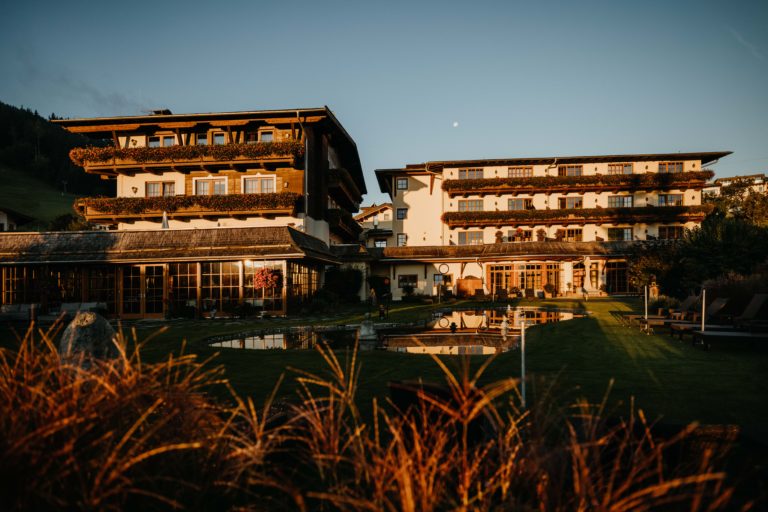
“Understanding the Vata type often leads to a better recognition of what body and mind truly need. Ayurveda thus creates the foundation for more stability, warmth, and inner peace.”
Elisabeth Naschberger-Mauracher, European Ayurveda Expert & Managing Director of the European Ayurveda Resort Sonnhof in Tyrol
People in whom this bioenergy predominates have a high communication ability; they are talkative, sociable, and have an open nature. They are enthusiastic and do not feel comfortable in dull routines. They certainly prevent boredom.
However, if the dosha level rises too high, one quickly loses perspective and sight of the goal. Decisions are rarely made under such conditions.
Vata Type in Women and Men
Vata women are often particularly sensitive and possess good empathy. These qualities make them excellent artists with a fine sense of aesthetics and creativity. At the same time, however, they are often susceptible to stress, overwhelm, and psychological exhaustion. Harmony and regular rest are especially important for them.
Men of the Vata type are also often creative, open, and enthusiastic. However, they can be somewhat erratic and may not always see new ideas through to completion. This can be particularly challenging in stressful situations, which is why clear structures and breaks help them.
Typical Vata Type Ailments and Their Treatment
If one strongly tends towards one of the three Ayurvedic dosha types, negative effects can quickly arise.
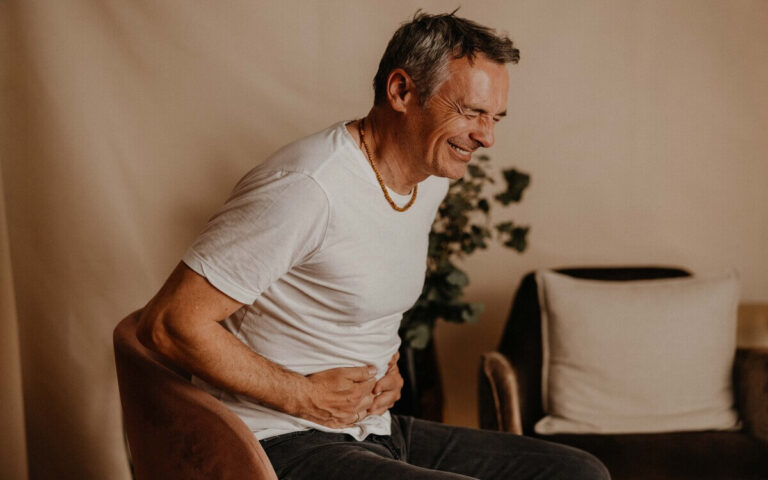
In the body, the extensive movement caused by Vata manifests as fast but sensitive digestion, a delicate physique, and a sensitive nervous system. If there is too much Vata, it can lead to digestive issues, states of exhaustion, nervous anxieties, sleep disturbances, tinnitus, heart conditions, and mental overload.

One doesn’t necessarily have to be well-versed in this healing art; it sounds so logical. Because even in Ayurveda, conscious relaxation is recommended in cases of nervousness and anxiety.
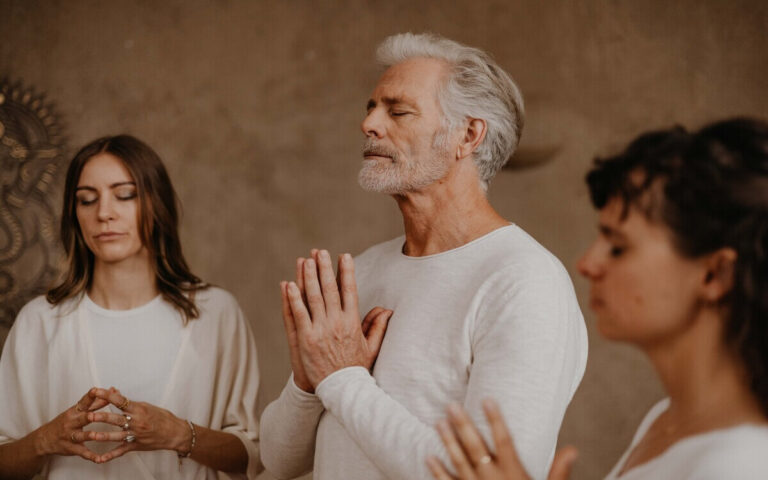
This might include massages with a wonderfully fragrant Vata aroma oil and baths – or simply taking time to eat. Additionally, yoga and meditation exercises can provide more inner peace. A particularly effective method is walking meditation, which combines mindfulness and movement.
Routines and a structured daily schedule also help – for example, a regular bedtime or regular meals – to manage the negative effects of Vata.
According to Ayurveda, Vata types should also ensure they dress warmly enough in low temperatures. Hats, gloves, and thick socks keep the head, hands, and feet warm. In general, however, spending a lot of time in nature helps Vata types balance their dosha.
Diet Tips for Vata Imbalance
Tendency-wise, Vata types are more prone to high Vata levels. In this case, it is advisable to adopt a tailored, Ayurvedic diet to counteract this. This is best achieved with rather warm, heavy, nourishing, calming, grounding, salty, and sweet foods. Our Ayurveda Food Chart can provide guidance in your daily life.

If the organism feels too restless and agitated, one can try to counteract this with sufficient fat and protein and juicy, warm, cooked meals. Hot Vata teas with ginger or herbs are recommended for drinking. Digestive, warm Vata spices also stabilize Vata. These include ginger, fennel, anise, clove, cinnamon, cumin, basil, saffron, and cooked garlic.
Tissue-building and thus stabilizing foods include milk, wheat, oats, spelt, almonds, nuts, eggs, and root vegetables. For example, a Vata porridge with oatmeal and nuts or Vata crispbread are ideal for an Ayurvedic breakfast.
You should rather avoid: legumes, cabbage, mushrooms, bell peppers, raw onion and garlic, bitter salads and leafy greens, hot spices, or dry grains (millet or barley).
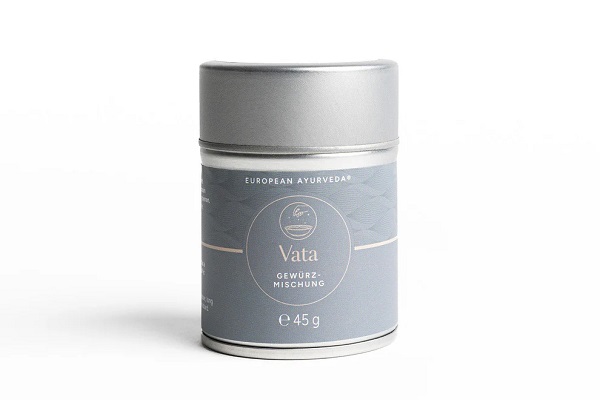
Discover Your Vata Spice
The European Ayurveda® Vata spice blend is a delicious and natural mixture for harmonizing Vata.
Daily Tips for Vata Types: Adjusting Your Lifestyle
Embrace regularity in your daily routine and consciously pursue your desire for communication and creativity. An Ayurvedic morning routine, for example, provides structure and creates a good start to the day. Nurture your intellectual inclinations and interests, and practice patience, self-discipline, serenity, and perseverance.
This may sound like an incredibly simple panacea, but once you understand how you tick, it actually becomes easy to follow your own needs. You can hardly believe how many areas this can positively impact.
Yoga and meditation also help to achieve mental balance. In Yoga for Vata, grounding exercises with a lot of floor contact are primarily practiced. Through a calm and grounding practice, the negative effects of Vata can be balanced.
Vata Mixed Types in Ayurveda: Vata-Kapha and Vata-Pitta Types
The Vata type rarely appears in its pure form in Ayurveda. Most people are mixed types, where more than one dosha dominates.
Vata-Kapha types combine the airy movement of Vata with the warm intensity of Kapha. Such individuals are often dynamic and creative with a sharp intellect. However, because they are constantly under pressure, they frequently experience nervousness and stress. Therefore, relaxing routines and calming, cooling foods are particularly helpful here.
Vata-Pitta types, on the other hand, are full of contradictions, as they combine dynamic Vata and static Pitta. Inner tensions are not uncommon here, which can lead to frustration and imbalance. Therefore, rest, gentle movement, and a balanced diet are particularly important for this dosha type to stay in balance.
How Can I Regulate My Nervous System? 4 Tips from European Ayurveda®
An overstimulated nervous system is one of the most common causes of chronic complaints. Often, a Vata imbalance is the cause. We show you how you can regulate your nervous system with European Ayurveda and return to Vata balance.