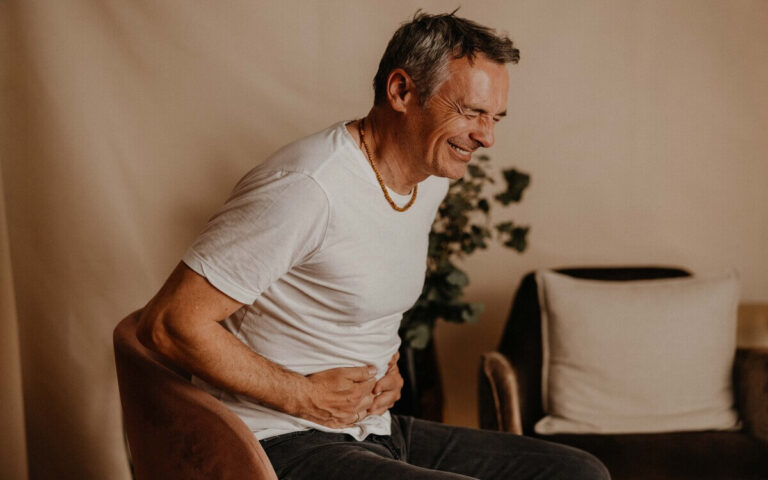
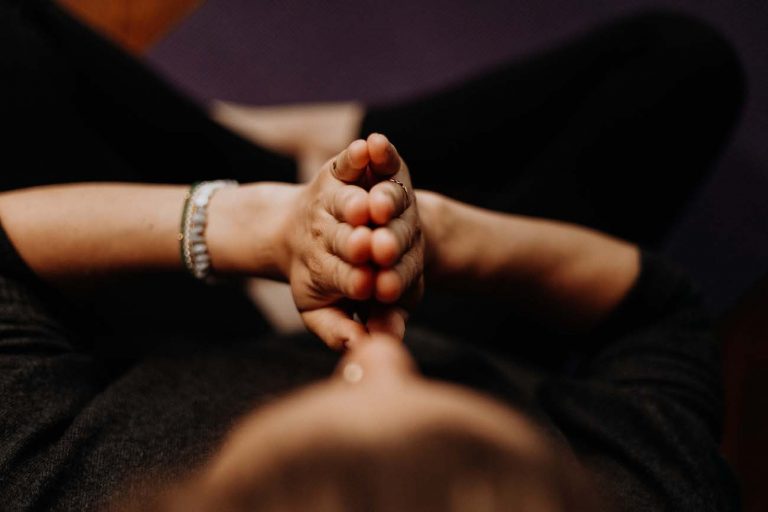
An overstimulated nervous system is one of the most common causes of chronic ailments. Irritable bowel syndrome, exhaustion, hormonal imbalances, insomnia, or migraines are frequent consequences. They often stem from an imbalance of the Vata principle – the bio-element that, in Ayurveda, stands for movement, nerve activity, and mental processes. We show you how you can regulate your nervous system with European Ayurveda and return to Vata balance.
Calm Your Nervous System: Ayurveda Against Chronic Stress
Chronic stress makes you sick; that’s no secret. Your nervous system is key to finding inner peace. At the Ayurveda Resort Sonnhof, our experts work daily with people whose autonomic nervous system is out of balance.

“The nervous system is like the pacemaker for the entire organism. When we calm it with natural remedies, many ailments begin to heal – physically and emotionally.”
Dr. Alaettin Sinop, Specialist in General Medicine with a focus on naturopathic treatments
Regulate Your Nervous System: 4 Exercises and Rituals in European Ayurveda®
European Ayurveda® offers comprehensive tips as a holistic health approach to strengthen the nervous system. It considers the entire lifestyle and helps to regulate the nervous system sustainably. Routines are the most important means for Vata balance. Here are 4 tips to regulate your nervous system with Ayurveda.
1. Pranayama: Conscious Breathing as a Direct Nerve Brake
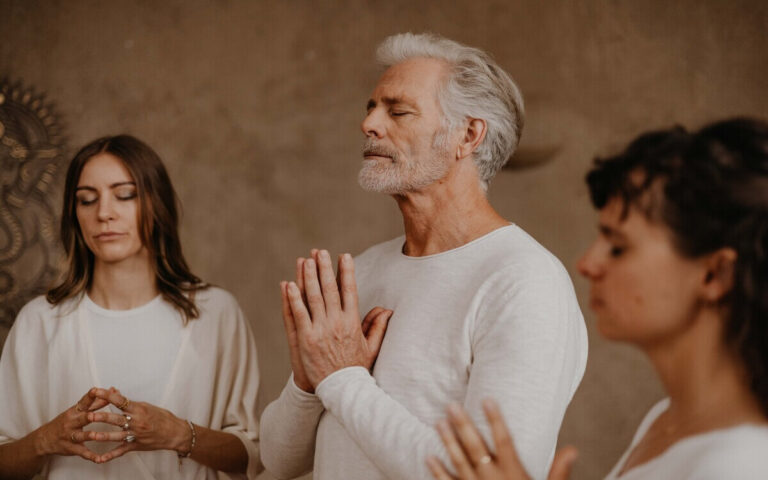
Pranayama, in Yoga, refers to the conscious control of breath. Through slow, controlled breathing patterns, Pranayama directly affects the nervous system and can help reduce stress reactions and bring the body into a state of calm and balance.
Modern research shows that calm and rhythmic breathing activates the parasympathetic nervous system. This is the part of the nervous system responsible for regeneration, digestion, and relaxation.
Breathing thus controls the autonomic nervous system, and with it, you can reduce stress particularly quickly. Even 5 minutes daily have a measurable effect on heart rate variability, blood pressure, and resting heart rate.
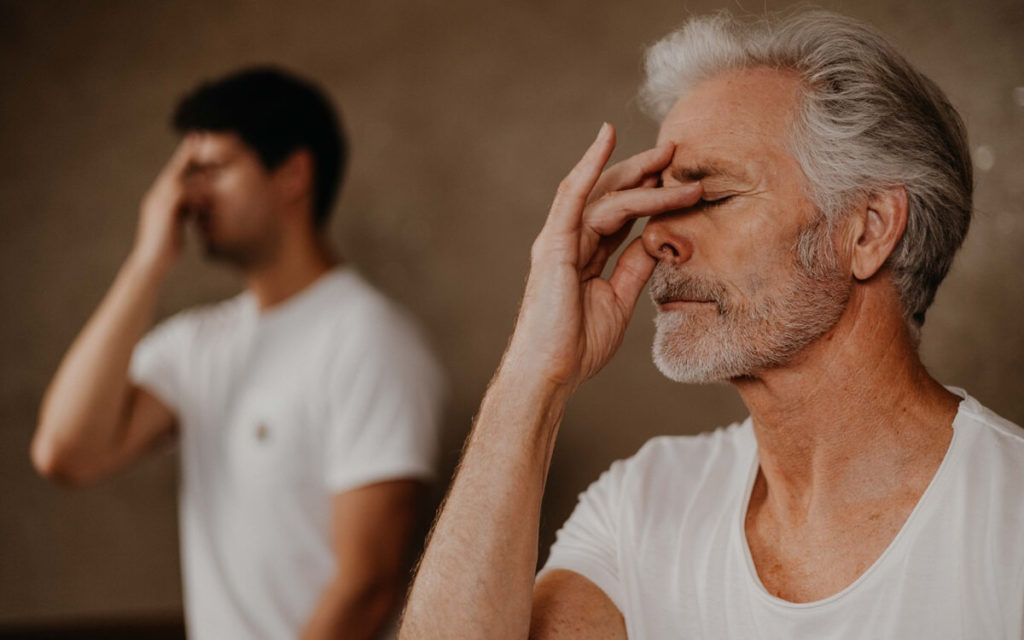
For example, try these breathing exercises (Pranayama) from European Ayurveda®:
- Nadi Shodhana (Alternate Nostril Breathing): centering
- Bhramari (Humming Bee Breath): anxiety-relieving
- Sama Vritti (Equal Breath): stabilizing
Nadi Shodhana is also known as alternate nostril breathing and primarily has a centering effect. Find your inner calm by gently closing one nostril with your fingers and inhaling and exhaling through the other. After each breath cycle, switch nostrils.
The Pranayama technique Bhramari is also called humming bee breath and is anxiety-relieving. You inhale deeply and create a humming sound as you exhale. The resulting vibrations calm the autonomic nervous system.
The third breathing exercise is Sama Vritti, also known as equal breath or square breathing. It consists of four equally long elements: inhalation, breath retention, exhalation, and breath retention.
These exercises are particularly effective when performed outdoors. In the evening, they can also help you fall asleep faster and sleep more soundly.
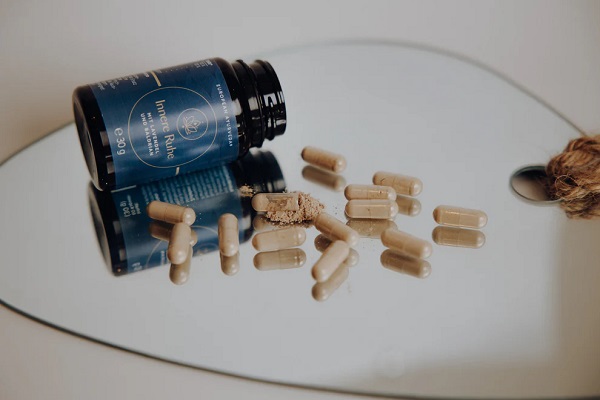
Discover the European Ayurveda® Inner Peace Capsules now
The Inner Peace Capsules are a high-quality dietary supplement with valuable plant extracts. They contribute to the normal function of the nervous system, psyche, and neurotransmitter metabolism. Discover them now in the European Ayurveda® Online Shop!
2. Vata-Calming Nutrition – Food as a Nerve Tonic
Nutrition directly influences nerve conduction in the body. For nervous weakness: warm, oily, sweet, and nourishing foods calm your Vata Dosha and reduce stress.
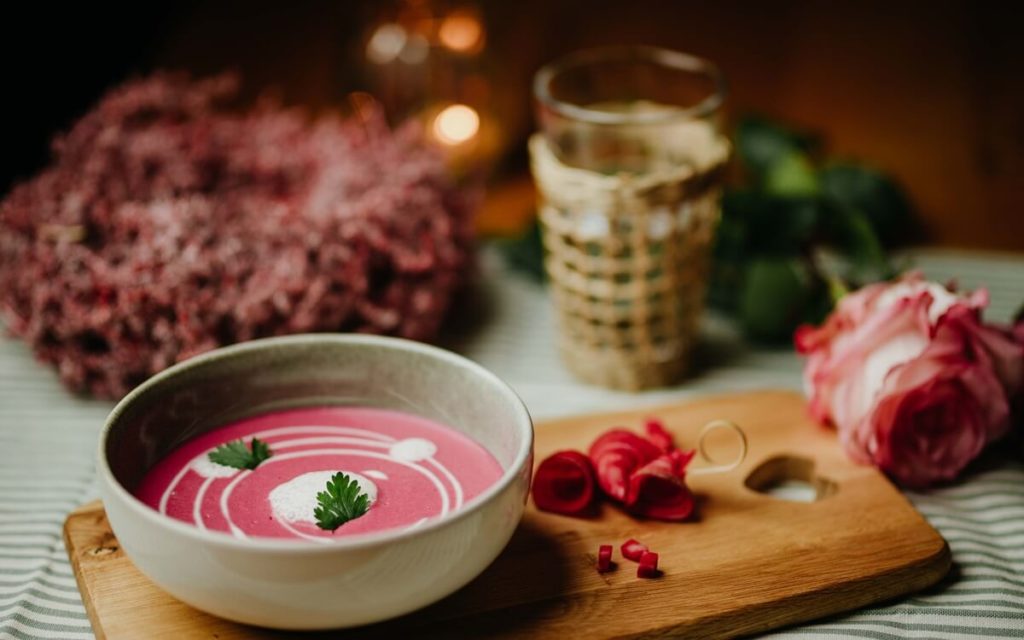
Our Ayurveda physician Deepa Naik provides the following Ayurvedic dietary recommendations from practice:
- Root vegetables, ghee, saffron rice, almonds, warm soups
- Ayurvedic herbs like Ashwagandha, Brahmi, and Shatavari
- No raw food, no coffee, no sugar – they irritate the nervous system
A special Vata spice or Vata tea can also help you bring your Vata Dosha into balance and regulate your nervous system.
In these fast-paced times, breaks for body and mind are also important to arrive in the here and now. This effectively calms the nervous system and allows you to enjoy a moment of inner peace.
Fixed smartphone times with as little social media as possible are particularly important. Especially during meals, it’s best to concentrate fully on the moment and avoid distractions from your phone or TV. Multitasking also causes inner restlessness and can weaken your nervous system in the long run.
3. Routines & Rhythm – Stability Through Regularity
A stable daily rhythm reduces neuronal overstimulation. To regulate the nervous system, Ayurveda recommends fixed routines that accompany you throughout the day. This begins when you wake up and ends when you fall asleep.
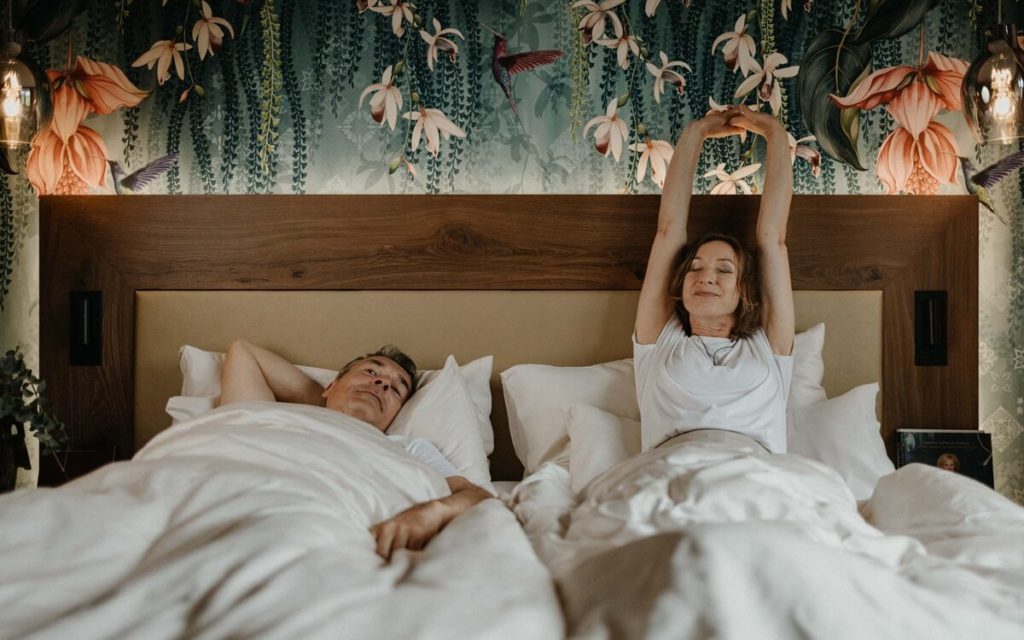
Recommended rituals are not complicated at all, but can also include the following simple tips:
- Eat and sleep at the same time
- Ayurvedic morning routine with oil pulling and warm water
- Ayurvedic evening routine with a foot bath with lavender oil, Abhyanga self-massage, or Marma massage
- Short meditation exercises (e.g., heart meditation or walking meditation)
“These small routines are not wellness fads – they stabilize the hypothalamic-pituitary-adrenal axis.”
Dr. Alaettin Sinop, Specialist in General Medicine with a focus on naturopathic treatments
4. Mind Detox & Emotional Support
Many symptoms begin in the mind – and are resolved there too. At European Ayurveda®, experienced coaches, alongside doctors, support you on an emotional level. Mind Detox helps to identify stress triggers and resolve them sustainably.
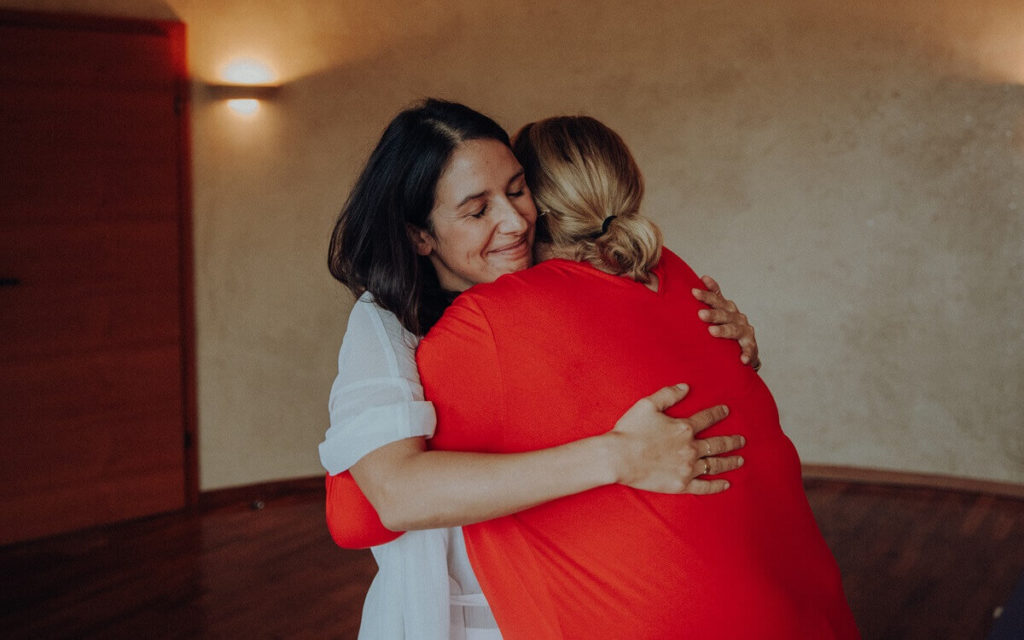
Elisabeth Naschberger Mauracher, integrative Mind Coach and pioneer of European Ayurveda®, guides you through inner processes of letting go, reorientation, and awareness:
“Mental detoxification means letting go of the noise in your head – and following your inner voice again. That’s where true regeneration happens.”
As an introduction to your emotional freedom, you can try the following impulses:
- Ask yourself: What can I do today that is good for me?
- Write down everything that burdens you on a piece of paper
- Create a morning routine that brings you joy
- Schedule ‘Me Time’
- Take time each day for a short breathing exercise
- Connect with your heart and ask yourself: What would love do today?
What is the Nervous System? Sympathetic vs. Parasympathetic and What Ayurveda Does Differently
The nervous system is an important system in the body responsible for processing stimuli. It controls the activity of our organs, our muscles, and transmits information within the body. It is also responsible for memory, emotions, and thought.

It is primarily located in the brain, with the hypothalamus playing a central role in controlling the nervous system. Therefore, it is important to strengthen the hypothalamus for better management of stressful situations. Stress is primarily linked to the autonomic nervous system, which controls breathing, digestion, and metabolism.
The autonomic nervous system consists of two poles: the sympathetic and parasympathetic nervous systems. They are responsible for opposing functions:
- Sympathetic: Activity, stress, performance
- Parasympathetic: Rest, regeneration, healing
European Ayurveda® helps to consciously strengthen the parasympathetic nervous system – through nutrition, rhythm, breath, and awareness.

“Our therapies are based on millennia-old knowledge – and they have a measurable effect on neurotransmitters, hormone axes, and cell metabolism.”
Gaurav Sharma, Ayurveda Specialist at European Ayurveda Resort Sonnhof in Tyrol
In Ayurveda, the control of movement, breathing, circulation, and the nervous system is attributed to the bioenergy (Dosha) Vata. If Vata is in balance, we find inner peace. However, if the Doshas are out of balance, this manifests as stress and stress-related complaints such as high blood pressure, digestive problems, migraines, or sleep disorders.
Conclusion
A stressed nervous system is not a condition you have to live with. With the right nutrition, breathing practices, daily rhythm, and emotional relief, European Ayurveda® shows you how to sustainably regain your strength.
At Ayurveda Resort Sonnhof, our experienced doctors – Dr. Alaettin Sinop, Sharma Gaurav, Deepa Naik – and coach Elisabeth Naschberger Mauracher will guide you with medical expertise, heart, and consciousness work. Discover all products, rituals, and recommendations for nerve strengthening in the European Ayurveda® Shop.
More Energy in Everyday Life: How to Boost Your Daily Energy Level
When your daily life demands a lot from you, it can lead to fatigue and exhaustion. This article explains why this happens and what you can do about persistent tiredness.