In all cultures and religions worldwide, as well as in modern psychology, the ability to forgive is of paramount importance for inner healing. The following three forgiveness rituals for inner peace can help you forgive from the bottom of your heart.
Forgiveness Rituals: 3 Guides for Inner Healing and Deep Forgiveness
On our journey through life, we will consciously or unconsciously hurt others, and they in turn will hurt us. Many of us react with grief, anger, or even feelings of revenge. We also find it difficult to forgive ourselves for certain decisions.

However, if we cannot find closure, our thoughts constantly revolve around the injury, causing these soul wounds to be reopened time and again. With forgiveness rituals, you can achieve inner peace and finally heal.
In Ayurveda, the human being is viewed holistically within their individual Dosha constitution. Body, mind, and soul are always connected, and all parts are equally important for health and longevity.
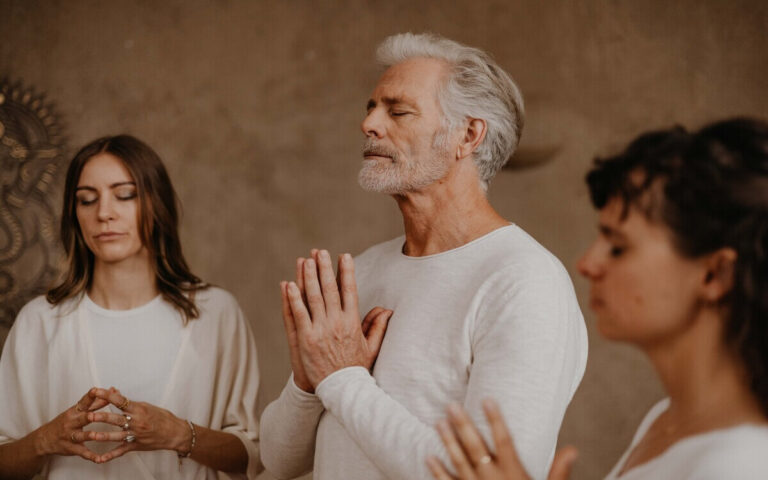
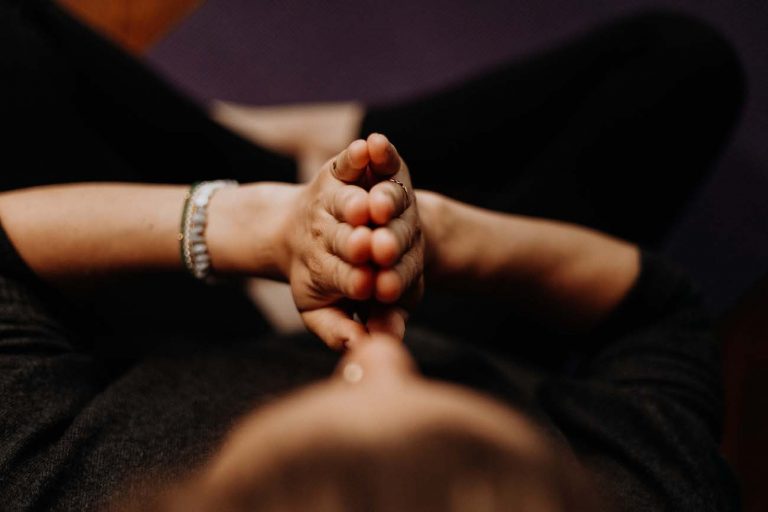
Tip: Reserve a place in your home for your daily meditations. You can also create a peaceful atmosphere with pleasant music, incense sticks, and a candle to help you concentrate fully on your rituals.
First, take the time to become aware of exactly which situations are weighing on you and why. These can be specific arguments and life situations, character traits of fellow human beings, or even vague feelings. Also reflect on what you may not yet have forgiven yourself for.

Get active with the European Ayurveda® Diary: Movement, Nutrition & Mind Detox
Every beginning is difficult, one might say – or you can look at it from a different perspective and look forward to new experiences. This diary contains tasks and affirmations for 7 days to help you feel comfortable and secure in your body!
At the beginning, feel free to take notes and write down memories to clear your soul. These can then serve as a basis for the following forgiveness rituals:
1. Ho’oponopono – The Hawaiian Forgiveness Ritual
This ritual has a very long tradition among the Hawaiian people. Translated, Ho’oponopono means something like “to put things right” or “to correct something.”
However, it is becoming increasingly widespread throughout the world. Originally, the ritual was used as a form of conflict resolution within extended families, conducted under the guidance of Kahunas (shamans).
In this way, disagreements within a community could be resolved. The fundamental idea that all people are connected makes this reconciliation ritual particularly beautiful. Because when you can forgive, you reconnect with yourself and with others. Anger and revenge isolate you.

No matter what the conflict is about – you can integrate the ritual into your daily life and apply it until you have internalized it – using the following four sentences:
I am sorry that …
This is the phase of remorse or acceptance of the problem. You take responsibility for your own actions.
Please forgive me for …
The phase of forgiveness can be directed both at yourself and at another person. Ask for forgiveness sincerely and from the bottom of your heart.
I love myself/you …
Love is an expression of connection with the entire universe and is incredibly strong. Allow the power of unconditional love and recognize the divine within yourself or others.
Thank you for …
Give thanks for being able to recognize and resolve the conflict.
In the European Ayurveda® concept, mental and physical health are inseparably linked. For this reason, it is so important to detach yourself from negative thoughts. This includes anger and resentment. In this video, European Ayurveda® pioneer Elisabeth Mauracher explains how you can transform these into something positive.
2. Forgiveness with the REACH Model
REACH forgiveness was developed by clinical psychologist and professor Dr. Everett L. Worthington Jr. of Virginia Commonwealth University as a method designed to support forgiveness. It is now used in various types of therapies or meditations across different fields.
The term REACH is an acronym that summarizes the five steps of the method.
R for Recall:
You actively recall the conflict or injury. In doing so, you face the facts and accept the conflict.
E for Empathize:
Empathy is the ability to put yourself in someone else’s shoes. This step is important for developing compassion for the person who hurt you. What led them to cross your boundaries? This may help you see the conflict in context.
A for Altruistic gift:
Now follows forgiveness as a selfless, altruistic gift. Remember your own relief when you were forgiven and how liberating that felt. Now you can pass on this wonderful gift yourself.
C for Commit:
This is about commitment. For example, you can state in writing that you have forgiven yourself or the person who hurt you. This serves as a kind of aid to maintain your forgiveness.
H for Hold on:
It may happen that the conflict rises up in you again or that you remember it. However, do not hold on to the conflict, but to the fact that you have already forgiven. Essentially, this step reminds you of all the previous steps. You have forgiven actively, consciously, with compassion, and with commitment. You can hold on to that.
You can incorporate your personal forgiveness ritual into your meditation exercises. Remember that you cannot change others, only yourself. This also involves changing your perspective. In this video, you will learn how to find inner peace and thereby gain more self-love and joy in life.
3. Create Your Personal Forgiveness Ritual
If you cannot identify with the rituals presented, you are always free to choose a ritual that you create yourself. It is important that you understand the process of forgiving as an active deed that should originate from you and be nurtured.
Imagine you cut your finger. You bleed, you need a bandage, and it takes time for the finger to heal completely. It is the same with wounds of the soul or when you are angry with yourself. Actively take time every day for your forgiveness ritual, e.g., during an evening meditation or after yoga.
The following mantras can help you with forgiveness:
- Today I listen to my feelings. I am gentle with myself. I know that my feelings are my friends.
- Every new day is a new opportunity. Yesterday is gone and over. Today is the first day of my future.
- I forgive all people from my past and let them go with love.
- When I forgive myself, it is easier for me to forgive others.
- I am ready for my healing. I am ready to forgive. All is well.
- I give myself a gift and free myself from the past. I arrive in the here and now with joy.
- When I make a mistake, I know that it is part of my learning process.

“Forgiveness is often the first step toward greater inner freedom. Rituals can help to consciously let go of burdens and find peace with oneself again.”
Elisabeth Naschberger-Mauracher, European Ayurveda Expert & Managing Director of the European Ayurveda Resort Sonnhof in Tyrol
In Which Life Situations Can a Forgiveness Ritual Help?
Forgiveness rituals can help you in many unpleasant and distressing situations. They support you in finding mental and emotional closure for difficult experiences. These include, for example, the following life situations:
- Arguments with family, partners, or friends
- Difficult interpersonal relationships
- Injustice suffered
- Separations or deaths
- Diminished life energy (Ojas)
Such forgiveness rituals are therefore particularly helpful when you are carrying emotional baggage. It is best to perform them regularly and remind yourself that no one is perfect. They help you achieve greater mindfulness, understanding, and joy in life. Release resentful thoughts and gently take responsibility for your inner peace.
How Can I Regulate My Nervous System? 4 Tips from European Ayurveda®
An overstimulated nervous system is one of the most common causes of chronic complaints. Irritable bowel syndrome, exhaustion, hormonal imbalances, insomnia, or migraines are frequent consequences. We show you how you can regulate your nervous system with European Ayurveda.