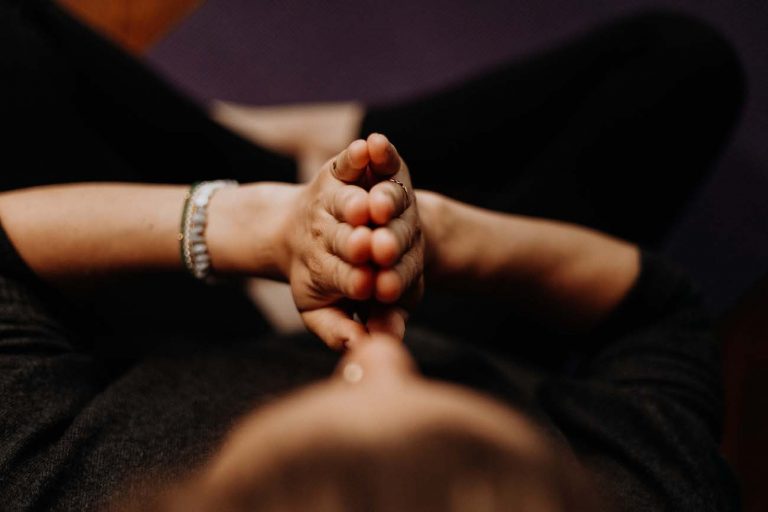
Ayurvedic teachings offer a variety of different massage techniques. The most well-known foot massage in Ayurveda is Padabhyanga. Discover exactly what Padabhyanga does and how the massage works here.
Key Takeaways: What Is Ayurvedic Foot Massage?
By stimulating vital points, Padabhyanga massage helps alleviate numerous psychological and physical complaints. Through the application of warm oils and gentle movements, your body relaxes and finds peace.
Foot massage is used to calm the mind and relieve everyday aches and pains. For this purpose, warming oils are massaged into the body with the hands. In addition to your feet, the massage of the calves and knees is also part of the treatment.
How Padabhyanga Works
Your feet are under heavy strain every day and carry you reliably through your daily life. This makes proper care all the more important to keep them healthy and supple. The traditional Ayurvedic foot massage Padabhyanga is the best option to do something good for your feet.
An Indian proverb says: “He who holds a person’s feet in his hands also holds their soul.”

“Padabhyanga shows how profound the effects of gentle touch can be. Through the feet, peace, regeneration, and a new balance can be promoted in a special way.”
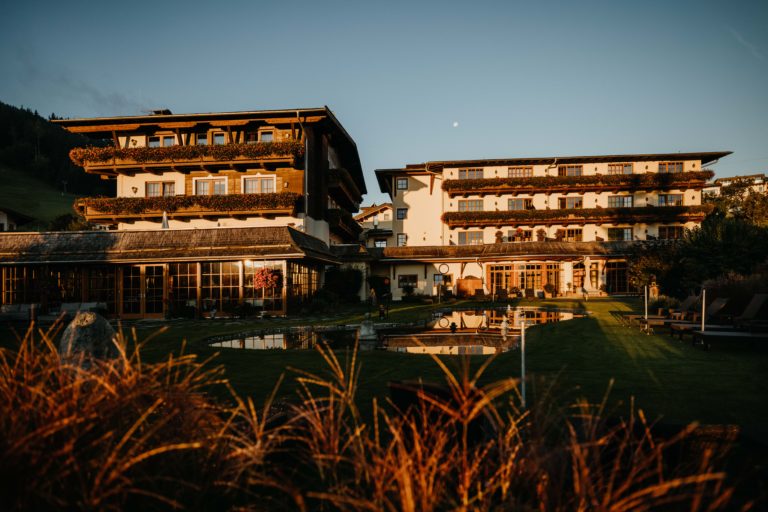
Elisabeth Naschberger-Mauracher, European Ayurveda Expert & Managing Director of the European Ayurveda Resort Sonnhof in Tyrol
In Ayurvedic teaching, the feet (Pada) represent the contact between the human body and the earth. It is not without reason that they are held in high regard and considered an indicator of whether the body is well treated and nourished. Foot massage is therefore also considered an important, vitalizing ritual in Ayurveda.
The human extremities contain a particularly large number of nerve endings that are stimulated during a massage. Padabhyanga massage can thus increase your well-being and positively influence your state of health. Additionally, the massage is said to have a cleansing effect on the entire body.

Depending on the treatment, a soothing foot bath with various herbs is often offered before the Padabhyanga. The actual massage takes place while lying down and consists of massaging the feet, calves, thighs, and knees.
For the feet, warm oils or a balm made of ghee are generally used. It can be part of the Ayurvedic full-body massage Abhyanga or performed separately.

Discover our high-quality massage oils and Ayurveda cosmetics now
Naturally beautiful with Ayurveda! Our Ayurvedic cosmetics combine traditional recipes with high-quality, natural ingredients. Each product is tailored to support your skin in its individual balance.
Step-by-Step Guide for Ayurvedic Foot Massage at Home
The basic technique of Padabhyanga can be wonderfully performed at home and provides you with a moment of relaxation. Two tablespoons of warm oil or Original Ayurveda Ghee and a towel are all you need.
Ayurvedic foot massage is suitable for all Dosha types and varies only in the choice of oil.
- For Pitta types, ghee, coconut oil, sunflower oil, or Pitta massage oil are particularly suitable.
- Vata types are best served by ghee, sesame oil, olive oil, or Vata massage oil.
- As a Kapha type, it is best to use ghee, sesame oil, jojoba oil, or Kapha massage oil for the massage.
Important: If you suffer from thrombosis, inflamed veins, fever, skin diseases, or acute foot injuries, you should avoid performing a foot massage.

Find a comfortable cross-legged position for the massage and place the towel under your feet. The various movements are now performed in this position. Be sure to perform them gently and consciously.
- It is best to start the massage with the spaces between the toes and then work your way up along the tendon on the bridge of the foot with your thumb.
- Then circle the ankle with your fingers and stroke out the Achilles tendon.
- Next, the toes are carefully bent with both hands.
- The vital points in the center of the sole of the foot are best massaged in a clockwise direction.
- Afterward, the inner edge of the foot is treated with circular thumb movements.
- Finally, stroke the outer edge of the foot with your hand.
Wrap your feet in cozy socks or a blanket after the massage. You can vary the movements and the duration of the massage yourself. This makes it excellent as a daily ritual, for example, before going to bed.
How Does Ayurvedic Foot Massage Work?
In addition to the relaxing effect of the foot massage, it also stimulates your body’s self-healing powers. This can improve your general state of health.

The following complaints can be alleviated:
- Sleep disorders
- Inner restlessness
- Headaches
- Nervousness
- Tense muscles
- Water retention
This relaxing foot massage can also support stress management. The massage has a very grounding effect and helps to stop the carousel of thoughts in the mind.
It is also well-suited for skin care. The oil makes your feet suppler and less cracked or brittle. Blood flow is promoted and tissue is revitalized, which is particularly important in advanced age and for healthy longevity.
Vital Points in the Feet and Legs
Marma points, the vital points in the foot, play an important role in Padabhyanga. These points have a special connection to the body, whereby the stimulation of the Marma points stimulates specific body regions.

These intersection points of the energy channels are distributed throughout the entire body and total over 100 vital points.
The following vital points are located in your legs and feet:
- Kurcha at the root of the foot is connected to eyesight
- Talahridaya in the center of the sole of the foot affects heart and lung function
- Ani above the ankle promotes muscle relaxation
- Indravasti in the ankle organizes the digestive organs
- Urvi on the thighs is related to the pancreas
- Janu in the knee joint represents a connection to the spleen and liver
A blockage in the Marma points can lead to unpleasant complaints. This makes the loosening and massage of the vital points all the more important, as it has a relieving, stress-reducing, and invigorating effect. With the targeted application of Padabhyanga, specific complaints can even be alleviated through a foot massage.
Which Complaints Does Padabhyanga Help With?
The following complaints fall within the area of application for Padabhyanga and can be treated with Ayurvedic foot massage:
- Inner restlessness and difficulty relaxing
- Sleep problems
- Headaches and migraines
- Burnout symptoms
- Lymphatic congestion and calf cramps
- Swollen, dry, or cracked feet
- Eye problems and visual disturbances
- Pain therapy
However, Ayurvedic foot massage can also always serve simply for relaxation and as a small break.
Read More

Ayurveda Massage: Procedure, Benefits, and Technique
With an Ayurveda massage, inner blockages are released, tension is loosened, and physical as well as mental relaxation is promoted. Individually tailored to your personal needs, there are various massage techniques.