Both the art of Ayurvedic healing and Yoga have their origins in India. They share the common goal of holistic well-being for the individual. Ayurveda unites mental and physical health, while Yoga focuses primarily on the harmony of body, mind, and soul. In combination, Ayurveda and Yoga focus on a holistically healthy lifestyle and complement each other perfectly.
Yoga and Ayurveda
Yoga represents an important component of the Ayurvedic lifestyle. Its origins can be traced back thousands of years to the Vedic civilization of India.
Cross-references in ancient scriptures provide evidence of the close connection between the two practices. Yoga and Ayurveda, therefore, not only stem from the same source but also complement each other excellently.
In Ayurveda, the focus is on enhancing physical and mental well-being, while Yoga focuses on the mental and spiritual aspects. Additionally, Yoga promotes the strength, flexibility, and health of your body. The word “Yoga” can be translated as connection or union.

“Ayurveda and Yoga complement each other naturally. Together, they create a strong foundation for greater balance, flexibility, and inner peace.”
Elisabeth Naschberger-Mauracher, European Ayurveda Expert & Managing Director of the European Ayurveda Resort Sonnhof in Tyrol
This primarily concerns the connection between body, mind, and soul—the pursuit of physical peace within the mind. In comparison, Ayurveda brings balance on a physical level to the forefront. Living in harmony with nature and strengthening physical power and life energy are the ultimate goals.
The traditional scriptures on Yoga contain numerous recommendations for a healthy, Ayurvedic lifestyle. The associated techniques for purifying your body and proper nutrition find their origins in Ayurveda. Similarly, movement, meditation, and breathing exercises are part of the holistic approach of Ayurveda, which in turn are found in Yoga.
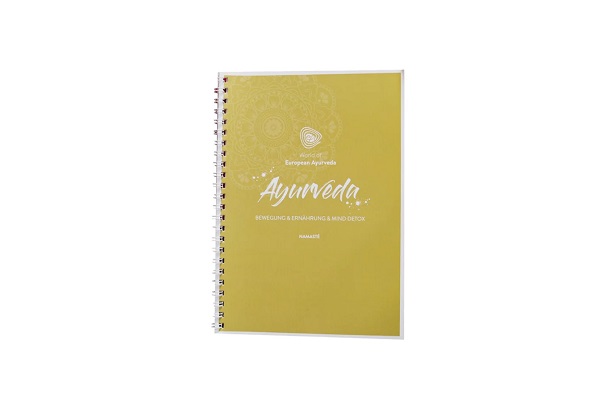
Get active with the European Ayurveda® Diary: Movement, Nutrition & Mind Detox
Every beginning is difficult, one might say—or you can look at it from a different perspective and look forward to new experiences. This diary contains tasks and affirmations for 7 days to help you feel comfortable and secure in your body!
The Pillars of Yoga
In Yoga, a fundamental distinction is made between three different pillars:
- Yoga Asanas
- Pranayama
- Meditation
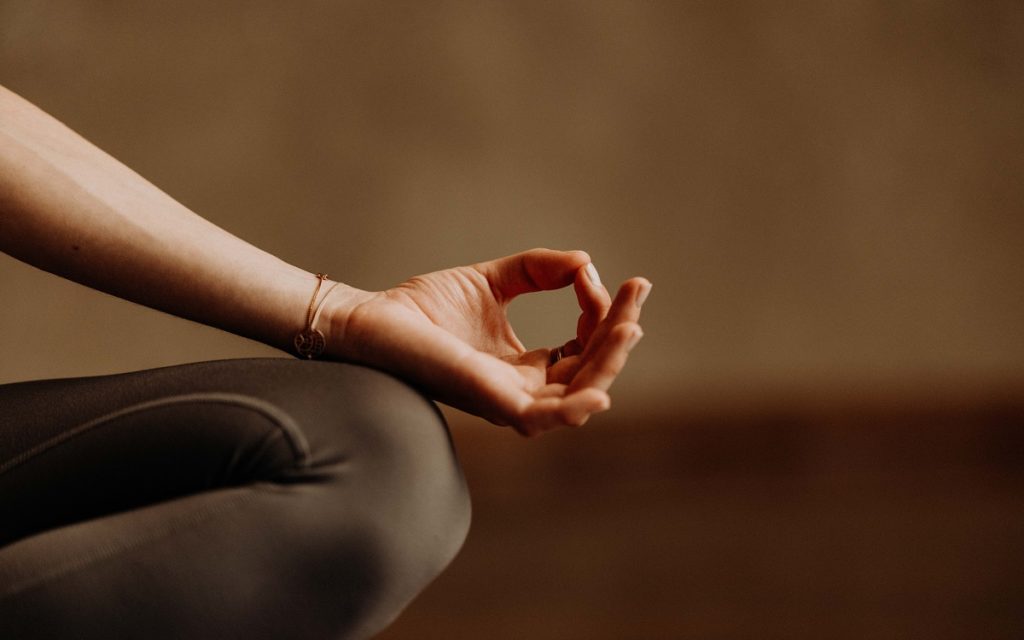
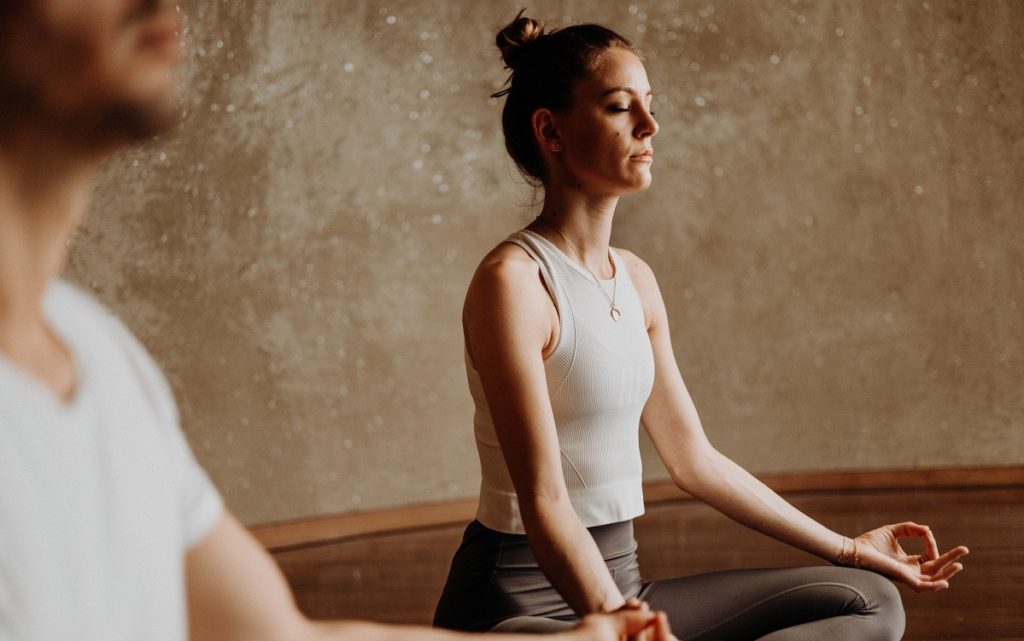
Only the combination of all three approaches makes a Yoga session holistic. Asanas are understood as “the surface on which we sit.” This refers to the sitting positions during meditation, such as the lotus position. Today, all physical Yoga postures are considered Asanas. The positive effects on you and your body are diverse:
- Muscles are activated and strengthened
- Blood circulation to organs and joints is improved
- Better flexibility
- Your spine is aligned
- Your metabolism is stimulated
- Your circulation is stabilized
- Your body’s detoxification capacity is strengthened
In addition to the physical benefits, Yoga also has a positive effect on your psyche. Your energy flow, referred to as Prana in Ayurveda, is activated, which helps in harmonizing the chakras. With the help of the right Yoga Asanas, you can release tension in your body, ensuring a positive mindset and more energy in everyday life.
Holistic Yoga includes not only Asanas but also Pranayama and meditation exercises. Pranayama encompasses the various breathing techniques used during the Asanas. Through meditation, you learn to know your body better and experience how to focus on it.
With the right practice of Asanas, Pranayama, and meditation, imbalances in the Doshas can be compensated for and brought back into balance. Depending on the composition of your constitution types, there are Yoga exercises that are particularly well-suited for you based on your Dosha type.
Yoga for the Vata Type
The Vata type represents the principle of movement, which also includes mental flexibility and a quick grasp of concepts. From a physical perspective, Vata is primarily located in the breath, gastrointestinal tract, and elimination. Dominant Vata often manifests as constipation, bloating, arthritis, or lower back pain.
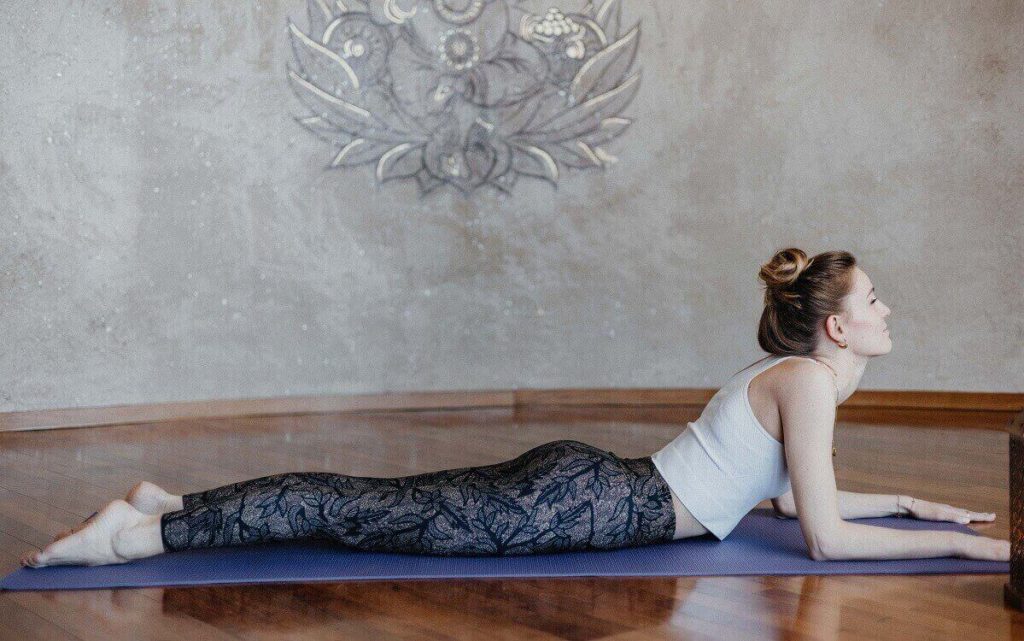
A combination of gentle twists and conscious breathing, as well as forward folds, has a calming effect on your nervous system. As a Vata type, you tend toward stiffness, which can be loosened with slow Sun Salutations and flowing, calm breathing. Calm breathing to warm up is a must for Vata types during Yoga.
The best Yoga exercises for the Vata type include:
- For more warmth: Cobra, Locust, Warrior I, Boat
- For more stability and focus: Tree, Warrior II
- For digestion: Reclined twists
- For more peace of mind: Alternate nostril breathing, forward folds
- For recovery: Savasana, Reclined Butterfly
Additional tips for Vata Yoga:
- Allow yourself enough time at the beginning to arrive and settle into the upcoming Yoga session
- Perform the postures slowly and calmly, and try to hold them for a long time
- Focus on your stance and maintaining balance
- Try meditation techniques such as Tummo meditation for inner warmth
Yoga for the Pitta Type
The Dosha Pitta is the principle of transformation and manifests on a physical level primarily in digestion—the transformation of food. On a mental level, Pitta is characterized by ambition, assertiveness, and a sharp intellect.
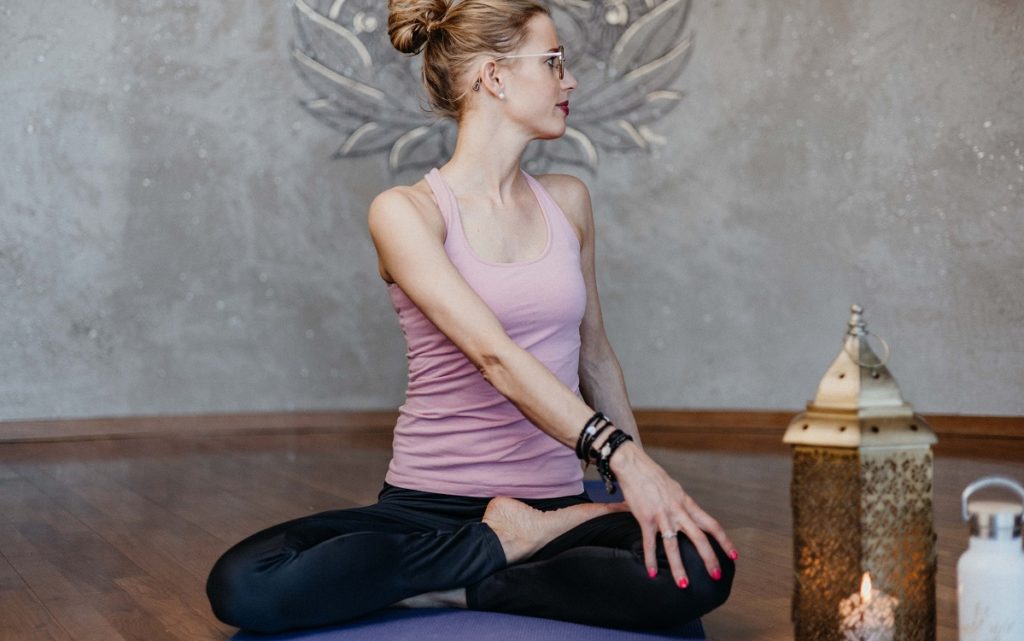
As a Pitta type, you are naturally more heated, which can lead to fever, inflammation, stomach acidity, or heavy sweating. This makes cooling and balancing Yoga all the more important for Pitta types. Slow seated twists bring your digestion into balance and cleanse your liver.
The best Yoga exercises for the Pitta type include:
- For a “cool” head: Forward folds, Sitali breathing, Half Shoulderstand, Viparita Karani (Legs-up-the-wall)
- To balance fiery digestion: Triangle, Seated Twists, Half Moon
- For relaxation: Fish, Cobra, Savasana, pausing and feeling the effects between exercises, seated meditation
Additional tips for Pitta Yoga:
- Perform your Asanas with particular mindfulness
- Incorporate sufficient rest phases to feel and connect with yourself
- Acknowledge what you have achieved
Yoga for the Kapha Type
The Kapha type stands for stability and structure and keeps your joints and mucous membranes supple on a physical level. On a mental level, it is characterized by patience and compassion. Kapha tends toward colds, flu, or congested sinuses, as well as lethargy due to a slow metabolism.
This is also the reason why Yoga exercises for the Kapha type differ so much from the other two constitution types. Yoga for Kapha is dynamic and stimulating, as well as warming and lightening, with a focus on letting go.
The best Yoga exercises for the Kapha type include:
- For more energy in the body: Vinyasas, Sun Salutation, backbends like Camel, Bow, Locust, Upward-Facing Dog, inversions like Handstand, Shoulderstand, Peacock Feather
- For more mental energy: Lion, Kapalabhati, Breath of Fire
- For mental relaxation: Walking meditation, meditation with focus on breathing through the right nostril
Additional tips for Kapha Yoga:
- Slowly get used to each exercise with the help of simple sequences
- Perform the movements fluidly and powerfully for more energy
- Support your Asanas with powerful breathing
Process of a Holistic Cleansing with Ayurveda and Yoga
An Ayurvedic Yoga journey begins with a consultation with an Ayurveda expert. Together, your Dosha type is determined, based on which an individual treatment plan is then created. Your specific needs are considered and incorporated into this plan.

During your stay at our Ayurveda Resort, your nutrition will also be adapted to your Dosha. Healthy meals are prepared from fresh ingredients to bring your Doshas into balance. A healthy body also has a positive effect on your mind.
As a supplement to physical cleansing, the focus is also on your mental relaxation. This is achieved through traditional healing techniques, forgiveness rituals, and cures, such as a detox cure. Steam and healing baths, as well as Shirodhara (oil forehead pour), also play an important role in mental purification.