Last updated on 08/28/2026
The perimenopause is a transitional phase that gradually begins for many women, often years before their last period. Here you will learn how to recognize perimenopause, what symptoms are typical, and what truly helps now.
The Essentials: What is Perimenopause?
- Perimenopause is the hormonal transitional phase before menopause. It usually begins between the ages of 40 and 45 and lasts an average of 4 to 8 years.
- Typical symptoms: irregular cycle, hot flashes, sleep disturbances, mood swings, concentration problems, and dry mucous membranes.
- Pregnancy is still possible during perimenopause as long as ovulation occurs.
- Diet, exercise, and stress reduction noticeably alleviate many symptoms – Ayurveda complements this with a holistic, type-specific approach.
Read more on the topic:
- 5 Tips on How Ayurveda Helps You Through Menopause
- Ayurveda in Menopause: Achieving Balance with Knowledge & Self-Reflection
- Shatavari: Application and Effects
- Longevity: Factors and Practical Tips for Healthy Aging
- Understanding Mood Swings and Regaining Emotional Balance
What is Perimenopause and What Triggers It?
Perimenopause literally means “around menopause.” It describes the time when your ovaries work increasingly irregularly and estrogen and progesterone hormone levels begin to fluctuate (1). The trigger is the declining egg reserve, which makes ovulation increasingly rare and irregular (2).

This hormonal roller coaster is also reflected in mood, sleep, and skin appearance. The actual hormonal changes typically begin about four years before the last menstrual period.
When Does Perimenopause Begin?
Perimenopause begins for most women between the ages of 40 and 45 (3). However, initial changes can be felt as early as the late 30s, while other women only notice the first signs in their mid-40s.
How early your perimenopause begins is largely genetically determined. Studies show a hereditary component of 44 to 85 percent (4), so looking at your mother’s age at menopause can provide an initial indication.
What Symptoms Are Typical in Perimenopause?
The symptoms of perimenopause are diverse and affect the body, sleep, and psyche equally. Women most frequently report:
- irregular, heavier, or shorter menstrual bleeding
- hot flashes and night sweats
- sleep disturbances and persistent fatigue
- mood swings, irritability, and inner restlessness
- concentration and memory problems
- dry skin, thinning hair, and vaginal dryness
Not every woman experiences perimenopause with the same intensity. Around one-third of women feel hardly restricted in their daily lives by the hormonal changes. Another third suffers from significantly stronger symptoms such as hot flashes or insomnia (5).

“Many women come to us because they suddenly feel alienated in their own bodies. Perimenopause is not a disorder to be fought; rather, it is an invitation to listen more closely to what your body and mind truly need.”
Elisabeth Naschberger-Mauracher, European Ayurveda® Expert & Managing Director of the European Ayurveda Resort Sonnhof in Tyrol
How Do Premenopause, Perimenopause, Menopause, and Postmenopause Differ?
Menopause does not occur in one step, but in several overlapping phases (6). The following overview shows how the individual stages differ:
- Premenopause: from approx. 35-40 years, first cycle irregularities, progesterone slowly declines
- Perimenopause: 1-2 years before to 1 year after the last period, estrogen and progesterone fluctuate significantly, hot flashes increase
- Menopause: time of the last menstrual period, retrospectively determinable when no bleeding has occurred for 12 months
- Postmenopause: from 1 year after the last period, hormone levels stabilize at a low level
Important to know: As long as ovulation still occurs during perimenopause, pregnancy remains possible. Contraception therefore remains a topic until definitive menopause.
How Long Does Perimenopause Last and When Should You Seek Medical Advice?
On average, perimenopause lasts between four and eight years. Individual factors such as genetics, lifestyle, and general health are decisive. It ends as soon as no menstrual period has occurred for one year.

Not every change in this phase of life is automatically attributable to perimenopause. Stress, thyroid disorders, iron deficiency, or other hormonal imbalances can also cause similar symptoms. A symptom diary helps to recognize patterns and discuss them with a gynecologist if necessary.
Persistent or particularly distressing symptoms should always be medically evaluated, as they are not always solely due to hormonal changes. These include severe depressive moods and very irregular or unusually heavy bleeding.
What Truly Helps Against Perimenopause Symptoms?
With the right lifestyle changes, many perimenopause symptoms can be noticeably alleviated. An analysis of several studies shows that women with a healthy lifestyle have up to a 23 percent lower risk of cardiovascular disease. In the case of early menopause, it is even up to 52 percent (7).

What Diet Helps During Perimenopause?
A balanced, fiber-rich diet with sufficient fluids helps to reduce blood sugar fluctuations and thus mood dips (8). Soy products and other plant-based foods with hormone-like substances can further alleviate hot flashes.
From an Ayurvedic perspective, nutrition also plays a central role: warm, easily digestible meals strengthen the digestive fire Agni and help stabilize the body during this sensitive transitional phase.
What Exercise and Stress Management Help?
Regular exercise strengthens the body’s temperature regulation and can noticeably reduce hot flashes. Even 150 minutes of moderate exercise per week has a preventive effect on cardiovascular health and metabolism.
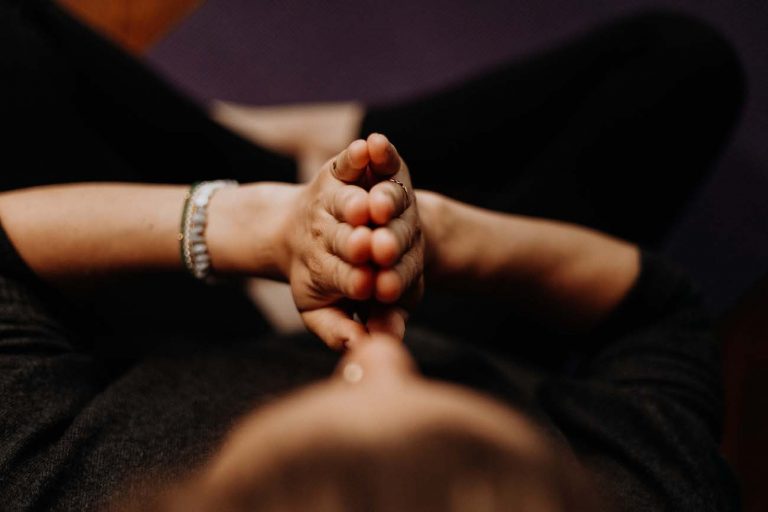
Equally important are conscious stress management, mindfulness exercises, yoga, or breathing techniques. They lower stress hormones and thus have a positive effect on sleep and mood.
How Can Ayurveda Support Perimenopause?
At European Ayurveda®, we understand menopause as a transition between the bioenergies Pitta and Vata. This shift explains why many women in perimenopause initially feel heat and irritability, and later more restlessness, dryness, and sleep problems.

Instead of treating individual symptoms in isolation, Ayurveda relies on a type-specific combination of diet, oil applications, herbs, and routines. A Longevity Retreat is particularly suitable for deeper support.
Our Ayurveda doctors create an individual treatment plan that considers your Dosha type and your specific situation. The Retreat Finder helps you find which Ayurveda retreat best suits your current symptoms.
FAQ: Frequently Asked Questions About Perimenopause
How does perimenopause differ from PMS?
PMS occurs cyclically in the second half of the cycle and subsides with the onset of the period. Perimenopause, however, extends over years and no longer follows a fixed rhythm, as ovulations become increasingly irregular. If PMS-like symptoms suddenly feel unpredictable or intensify, this can be an indication of the transition into perimenopause.
Why do I gain weight during perimenopause even though my diet hasn’t changed?
Fluctuating estrogen levels change how your body stores fat, primarily promoting abdominal fat accumulation. At the same time, muscle mass naturally decreases with age, which lowers the basal metabolic rate. Therefore, the same diet as before is often no longer sufficient to maintain weight.
Does hormone therapy (HRT) help during perimenopause?
Yes, hormone replacement therapy can be used during perimenopause to alleviate symptoms such as hot flashes, mood swings, or sleep problems. Whether it is suitable depends on individual symptoms, medical history, and personal risk factors and should be discussed with a doctor.
Does libido change during perimenopause?
Many women notice a decrease in sexual desire during perimenopause, which can be related to declining estrogen and testosterone levels, as well as lack of sleep and stress. Vaginal dryness often plays a role here too. Open conversations with your partner and medical advice can help find suitable solutions.
What contraception methods are suitable during perimenopause?
Since pregnancy remains possible until definitive menopause, contraception is still important. Hormonal methods such as the mini-pill or a hormonal IUD can also alleviate symptoms like irregular bleeding. Hormone-free options like the copper IUD or condoms are suitable for women with hormone intolerances.
Can I influence or delay the onset of perimenopause through my lifestyle?
The timing of perimenopause is largely genetically determined and can hardly be shifted by lifestyle. However, a healthy lifestyle with a balanced diet, exercise, and stress reduction can noticeably alleviate the intensity of symptoms and significantly improve your general well-being during this phase.
Sources
- Santoro, N. (2016). Perimenopause: From Research to Practice. Journal of Women’s Health, 25(4), 332–339. https://doi.org/10.1089/jwh.2015.5556
- El Khoudary, S. R., Greendale, G., Crawford, S. L., et al. (2019). The menopause transition and women’s health at midlife: A progress report from the Study of Women’s Health Across the Nation (SWAN). Menopause, 26(10), 1213-1227. https://doi.org/10.1097/GME.0000000000001424
- Harlow, S. D., Gass, M., Hall, J. E., et al. (2012). Executive summary of the Stages of Reproductive Aging Workshop + 10 (STRAW+10). Menopause, 19(4), 387-395. https://doi.org/10.1097/gme.0b013e31824d8f40
- te Velde, E. R., & Pearson, P. L. (2002). The variability of female reproductive ageing. Human Reproduction Update, 8(2), 141-154. https://doi.org/10.1093/humupd/8.2.141
- Mishra, G. D., et al. (2026). Risk factors, management and consequences of severe menopausal vasomotor symptoms. Nature Reviews Endocrinology, 22, 404-415. https://doi.org/10.1038/s41574-026-01245-w
- Soules, M. R., Sherman, S., Parrott, E., et al. (2001). Executive summary: Stages of Reproductive Aging Workshop (STRAW). Fertility and Sterility, 76(5), 874-878. https://doi.org/10.1016/S0015-0282(01)02909-0
- Pant, A., Gibson, A. A., Marschner, S., Liao, L. P., Laranjo, L., Chow, C. K., & Zaman, S. (2025). Age of menopause, healthy lifestyle and cardiovascular disease in women: A prospective cohort study. Heart, 111(6), 262-268. https://doi.org/10.1136/heartjnl-2024-324602
- Erdélyi, A., Pálfi, E., Tűű, L., et al. (2024). The Importance of Nutrition in Menopause and Perimenopause–A Review. Nutrients, 16(1), 27. https://doi.org/10.3390/nu16010027