zuletzt aktualisiert am 28.08.2026
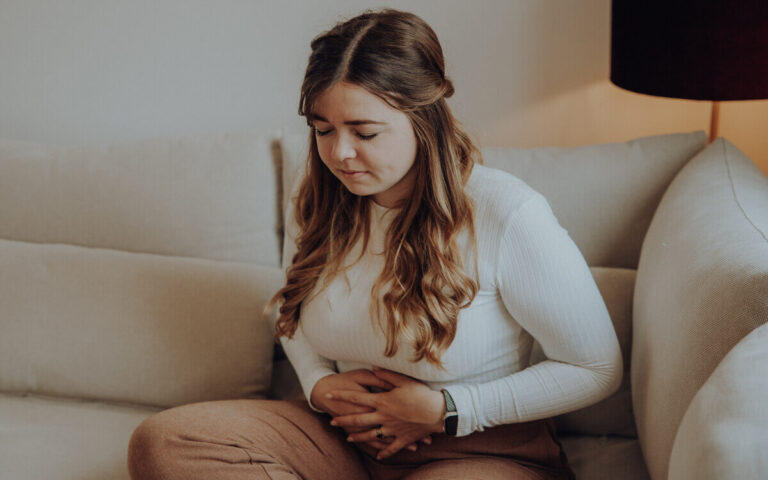
Die Perimenopause ist eine Übergangsphase, die bei vielen Frauen schleichend beginnt, oft schon Jahre vor der letzten Periode. Hier erfährst Du, woran Du die Perimenopause erkennst, welche Symptome typisch sind und was Dir jetzt wirklich hilft.
Das Wichtigste in Kürze: Was ist die Perimenopause?
- Die Perimenopause ist die hormonelle Übergangsphase vor der Menopause. Sie beginnt meist zwischen 40 und 45 Jahren und dauert im Schnitt 4 bis 8 Jahre.
- Typische Symptome: unregelmäßiger Zyklus, Hitzewallungen, Schlafstörungen, Stimmungsschwankungen, Konzentrationsprobleme und trockene Schleimhäute.
- Eine Schwangerschaft ist während der Perimenopause weiterhin möglich, solange noch ein Eisprung stattfindet.
- Ernährung, Bewegung und Stressabbau lindern viele Beschwerden spürbar – Ayurveda ergänzt das mit einer typgerechten, ganzheitlichen Herangehensweise.
Mehr zum Thema lesen:
- 5 Tipps, wie Dir Ayurveda in den Wechseljahren hilft
- Ayurveda in den Welchseljahren: mit Wissen & Selbstreflexion ins Gleichgewicht kommen
- Shatavari: Anwendung und Wirkung
- Longevity: Faktoren und praktische Tipps für gesundes Altern
- Stimmungsschwankungen verstehen und emotionale Balance zurückgewinnen
Was ist die Perimenopause und wodurch wird sie ausgelöst?
Perimenopause bedeutet wörtlich „um die Menopause herum”. Sie beschreibt die Zeit, in der Deine Eierstöcke immer unregelmäßiger arbeiten und die Hormonspiegel von Östrogen und Progesteron zu schwanken beginnen (1). Auslöser ist die nachlassende Eizellreserve, die den Eisprung zunehmend seltener und unregelmäßiger werden lässt (2).

Diese hormonelle Achterbahn zeigt sich auch in Stimmung, Schlaf und Hautbild. Die eigentlichen hormonellen Veränderungen setzen im Durchschnitt bereits rund vier Jahre vor der letzten Regelblutung ein.
Ab wann beginnt die Perimenopause?
Die Perimenopause beginnt bei den meisten Frauen zwischen dem 40. und 45. Lebensjahr (3). Erste Veränderungen können aber auch schon Ende 30 spürbar werden, während andere Frauen erst Mitte 40 die ersten Anzeichen bemerken.
Wie früh Deine Perimenopause einsetzt, ist zu einem großen Teil genetisch bestimmt. Studien zeigen einen erblichen Anteil von 44 bis 85 Prozent (4), ein Blick auf das Alter Deiner Mutter bei den Wechseljahren kann daher einen ersten Anhaltspunkt geben.
Welche Symptome sind typisch in der Perimenopause?
Die Symptome der Perimenopause sind vielfältig und betreffen Körper, Schlaf und Psyche gleichermaßen. Am häufigsten berichten Frauen von:
- unregelmäßigen, stärkeren oder kürzeren Monatsblutungen
- Hitzewallungen und nächtlichen Schweißausbrüchen
- Schlafstörungen und anhaltender Müdigkeit
- Stimmungsschwankungen, Reizbarkeit und innerer Unruhe
- Konzentrations- und Gedächtnisproblemen
- trockener Haut, dünner werdendem Haar und Scheidentrockenheit
Nicht jede Frau erlebt die Perimenopause gleich intensiv. Rund ein Drittel der Frauen fühlt sich durch die Hormonumstellung im Alltag kaum eingeschränkt. Ein weiteres Drittel leidet unter deutlich stärkeren Beschwerden wie Hitzewallungen oder Schlaflosigkeit (5).

„Viele Frauen kommen zu uns, weil sie sich in ihrem eigenen Körper plötzlich fremd fühlen. Die Perimenopause ist keine Störung, die es zu bekämpfen gilt, vielmehr ist sie eine Einladung, wieder genauer hinzuspüren, was Körper und Geist gerade brauchen“.
Elisabeth Naschberger-Mauracher, European Ayurveda® Expertin & Geschäftsführerin des European Ayurveda Resort Sonnhof in Tirol
Wie unterscheiden sich Prämenopause, Perimenopause, Menopause und Postmenopause?
Die Wechseljahre verlaufen nicht in einem Schritt, sondern in mehreren ineinander übergehenden Phasen (6). Die folgende Übersicht zeigt, wie sich die einzelnen Abschnitte unterscheiden:
- Prämenopause: ab ca. 35-40 Jahren, erste Zyklusunregelmäßigkeiten, Progesteron sinkt langsam
- Perimenopause: 1-2 Jahre vor bis 1 Jahr nach der letzten Blutung, Östrogen und Progesteron schwanken stark, Hitzewallungen nehmen zu
- Menopause: Zeitpunkt der letzten Regelblutung, rückblickend bestimmbar, wenn 12 Monate keine Blutung mehr auftrat
- Postmenopause: ab 1 Jahr nach der letzten Blutung, Hormonspiegel pendelt sich auf niedrigem Niveau ein
Wichtig zu wissen: Solange in der Perimenopause noch ein Eisprung stattfindet, ist eine Schwangerschaft weiterhin möglich. Verhütung bleibt also bis zur endgültigen Menopause ein Thema.
Wie lange dauert die Perimenopause und wann solltest Du ärztlichen Rat suchen?
Im Durchschnitt dauert die Perimenopause zwischen vier und acht Jahren. Ausschlaggebend sind individuelle Faktoren wie Genetik, Lebensstil und allgemeine Gesundheit. Sie endet, sobald ein Jahr lang keine Regelblutung mehr aufgetreten ist.
Nicht jede Veränderung in dieser Lebensphase ist automatisch auf die Perimenopause zurückzuführen. Auch Stress, Schilddrüsenerkrankungen, Eisenmangel oder andere hormonelle Störungen können ähnliche Beschwerden auslösen. Ein Symptomtagebuch hilft dabei, Muster zu erkennen und sie bei Bedarf mit einem Frauenarzt zu besprechen.
Anhaltende oder besonders belastende Symptome solltest Du in jedem Fall ärztlich abklären lassen, da sie nicht immer allein auf die Hormonumstellung zurückzuführen sind. Dazu gehören etwa starke depressive Verstimmungen und sehr unregelmäßige oder ungewöhnlich starke Blutungen.
Was hilft wirklich gegen Perimenopause Symptome?
Mit den richtigen Lebensstiländerungen lassen sich viele Beschwerden der Perimenopause spürbar lindern. Eine Auswertung mehrerer Studien zeigt, dass Frauen mit einem gesunden Lebensstil ein bis zu 23 Prozent niedrigeres Risiko für Herz-Kreislauf-Erkrankungen haben. Bei einer frühen Menopause sind es sogar bis zu 52 Prozent (7).

Welche Ernährung hilft in der Perimenopause?
Eine ausgewogene, ballaststoffreiche Ernährung mit ausreichend Flüssigkeit hilft, Blutzuckerschwankungen und damit auch Stimmungstiefs zu reduzieren (8). Sojaprodukte und andere pflanzliche Lebensmittel mit hormonähnlichen Substanzen können Hitzewallungen zusätzlich mildern.
Auch aus ayurvedischer Sicht spielt Ernährung eine zentrale Rolle: Warme, gut verdauliche Mahlzeiten stärken das Verdauungsfeuer Agni und helfen, den Körper in dieser sensiblen Übergangsphase zu stabilisieren.
Welche Bewegung und welches Stressmanagement helfen?
Regelmäßige Bewegung stärkt die körpereigene Temperaturregulation und kann Hitzewallungen dadurch spürbar abschwächen. Schon 150 Minuten moderates Training pro Woche wirken sich präventiv auf Herz-Kreislauf-Gesundheit und Stoffwechsel aus.
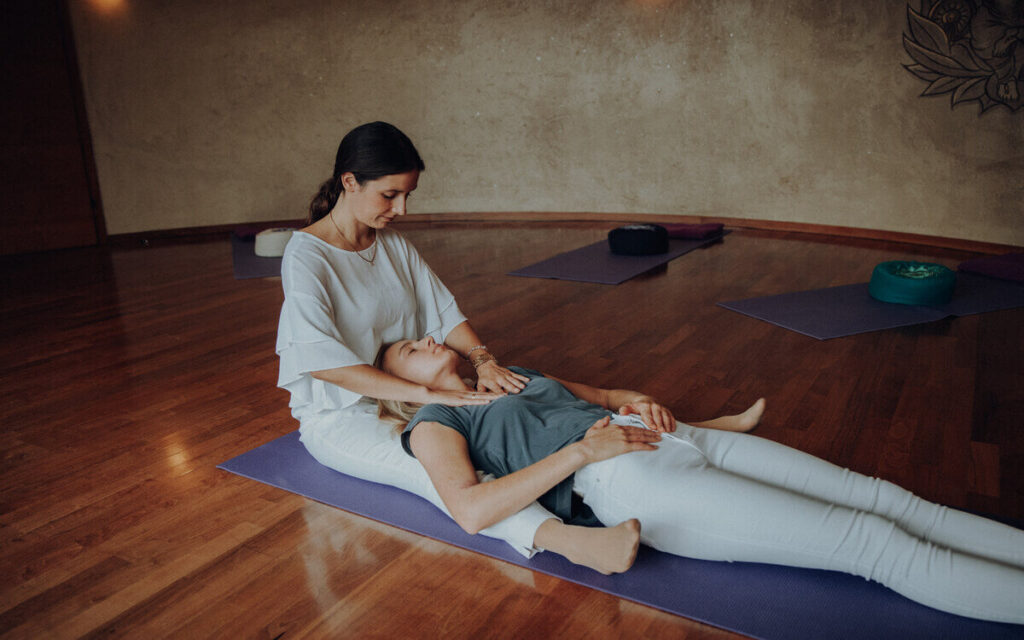
Genauso wichtig sind bewusstes Stressmanagement, Achtsamkeitsübungen, Yoga oder Atemtechniken. Sie senken Stresshormone und wirken sich damit positiv auf Schlaf und Stimmung aus.
Wie kann Ayurveda die Perimenopause begleiten?
Im European Ayurveda® verstehen wir die Wechseljahre als Übergang zwischen den Bioenergien Pitta und Vata. Diese Verschiebung erklärt, warum viele Frauen in der Perimenopause zunächst Hitze und Reizbarkeit spüren, später eher Unruhe, Trockenheit und Schlafprobleme.
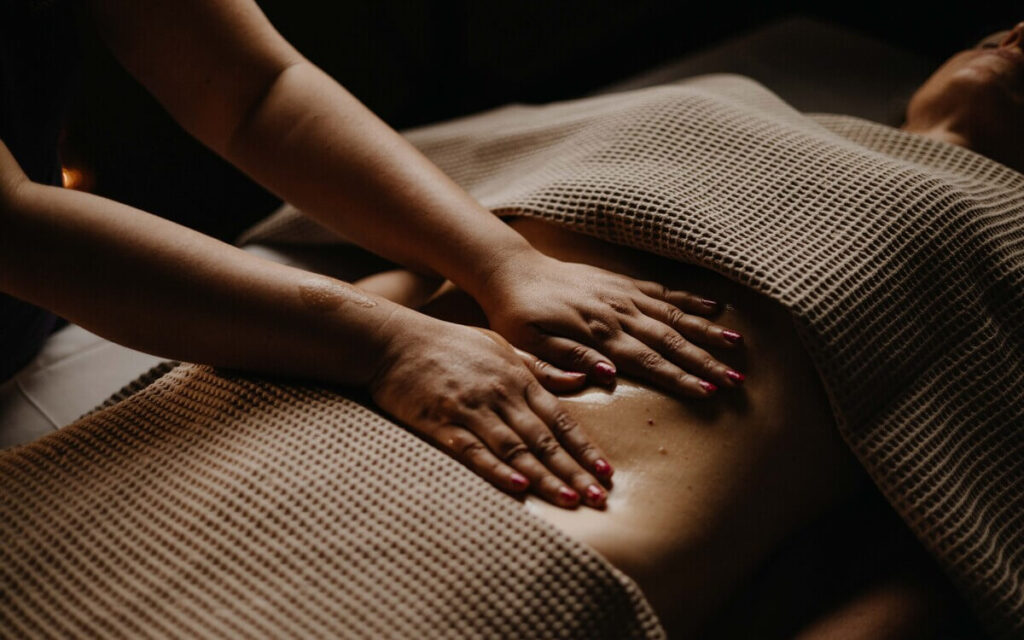
Statt einzelne Symptome isoliert zu behandeln, setzt Ayurveda auf eine typgerechte Kombination aus Ernährung, Ölanwendungen, Kräutern und Routinen. Für eine tiefergehende Begleitung eignet sich eine Longevity Kur besonders gut.
Unsere Ayurveda-Mediziner erstellen dabei einen individuellen Behandlungsplan, der Deinen Dosha-Typ und Deine individuelle Situation berücksichtigt. Der Kur Finder hilft Dir herauszufinden, welche Ayurveda Kur am besten zu Deinen aktuellen Beschwerden passt.
FAQ: Häufige Fragen zur Perimenopause
Wie unterscheidet sich die Perimenopause von PMS?
PMS tritt zyklusgebunden in der zweiten Zyklushälfte auf und klingt mit Einsetzen der Periode wieder ab. Die Perimenopause dagegen verläuft über Jahre und folgt keinem festen Rhythmus mehr, da die Eisprünge zunehmend unregelmäßig werden. Wenn sich PMS-artige Beschwerden plötzlich unvorhersehbar anfühlen oder sich verstärken, kann das ein Hinweis auf den Übergang in die Perimenopause sein.
Warum nehme ich in der Perimenopause zu, obwohl ich mich nicht anders ernähre?
Schwankende Östrogenspiegel verändern, wie Dein Körper Fett speichert, und begünstigen vor allem Fettansatz am Bauch. Gleichzeitig nimmt die Muskelmasse mit dem Alter natürlicherweise ab, was den Grundumsatz senkt. Deshalb reicht oft dieselbe Ernährung wie früher nicht mehr aus, um das Gewicht zu halten.
Hilft eine Hormontherapie (HRT) schon in der Perimenopause?
Ja, eine Hormonersatztherapie kann bereits in der Perimenopause eingesetzt werden, um Beschwerden wie Hitzewallungen, Stimmungsschwankungen oder Schlafprobleme zu lindern. Ob sie infrage kommt, hängt von individuellen Beschwerden, der medizinischen Vorgeschichte und persönlichen Risikofaktoren ab und sollte ärztlich abgeklärt werden.
Verändert sich die Libido in der Perimenopause?
Viele Frauen bemerken in der Perimenopause ein nachlassendes sexuelles Verlangen, was mit sinkenden Östrogen- und Testosteronspiegeln sowie mit Schlafmangel und Stress zusammenhängen kann. Auch Scheidentrockenheit spielt hier oft eine Rolle. Offene Gespräche mit dem Partner oder der Partnerin sowie ärztlicher Rat können helfen, passende Lösungen zu finden.
Welche Verhütungsmethoden eignen sich in der Perimenopause?
Da eine Schwangerschaft bis zur endgültigen Menopause möglich bleibt, ist Verhütung weiterhin wichtig. Hormonelle Methoden wie die Minipille oder eine Hormonspirale können zusätzlich Beschwerden wie unregelmäßige Blutungen lindern. Hormonfreie Optionen wie die Kupferspirale oder Kondome kommen für Frauen mit Hormonunverträglichkeiten infrage.
Kann ich den Beginn der Perimenopause durch meinen Lebensstil beeinflussen oder verzögern?
Der Zeitpunkt der Perimenopause ist überwiegend genetisch festgelegt und lässt sich durch Lebensstil kaum verschieben. Ein gesunder Lebensstil mit ausgewogener Ernährung, Bewegung und Stressabbau kann aber die Intensität der Symptome spürbar mildern und Dein allgemeines Wohlbefinden in dieser Phase deutlich verbessern.
Quellen
- Santoro, N. (2016). Perimenopause: From Research to Practice. Journal of Women’s Health, 25(4), 332–339. https://doi.org/10.1089/jwh.2015.5556
- El Khoudary, S. R., Greendale, G., Crawford, S. L., et al. (2019). The menopause transition and women’s health at midlife: A progress report from the Study of Women’s Health Across the Nation (SWAN). Menopause, 26(10), 1213-1227. https://doi.org/10.1097/GME.0000000000001424
- Harlow, S. D., Gass, M., Hall, J. E., et al. (2012). Executive summary of the Stages of Reproductive Aging Workshop + 10 (STRAW+10). Menopause, 19(4), 387-395. https://doi.org/10.1097/gme.0b013e31824d8f40
- te Velde, E. R., & Pearson, P. L. (2002). The variability of female reproductive ageing. Human Reproduction Update, 8(2), 141-154. https://doi.org/10.1093/humupd/8.2.141
- Mishra, G. D., et al. (2026). Risk factors, management and consequences of severe menopausal vasomotor symptoms. Nature Reviews Endocrinology, 22, 404-415. https://doi.org/10.1038/s41574-026-01245-w
- Soules, M. R., Sherman, S., Parrott, E., et al. (2001). Executive summary: Stages of Reproductive Aging Workshop (STRAW). Fertility and Sterility, 76(5), 874-878. https://doi.org/10.1016/S0015-0282(01)02909-0
- Pant, A., Gibson, A. A., Marschner, S., Liao, L. P., Laranjo, L., Chow, C. K., & Zaman, S. (2025). Age of menopause, healthy lifestyle and cardiovascular disease in women: A prospective cohort study. Heart, 111(6), 262-268. https://doi.org/10.1136/heartjnl-2024-324602
- Erdélyi, A., Pálfi, E., Tűű, L., et al. (2024). The Importance of Nutrition in Menopause and Perimenopause–A Review. Nutrients, 16(1), 27. https://doi.org/10.3390/nu16010027