Numerous different causes can be responsible for hair loss. According to Ayurvedic teachings, it is a symptom of imbalance in the human organism. Here you can learn how Ayurveda can naturally help with hair loss you.
Hair Loss from an Ayurvedic Perspective
More than 60% of the population suffers from hair loss. One of the most common reasons for hair loss is a disharmony in the human organism. In most cases, it is a combination of several factors, with scalp problems, thyroid dysfunctions, or stress being possible causes.
Beyond the cosmetic issue, hair loss can sometimes lead to psychological problems. Self-doubt or diminished self-confidence often accompany hair loss. Since full hair is considered an ideal of beauty, many affected individuals feel less attractive with thinning hair.
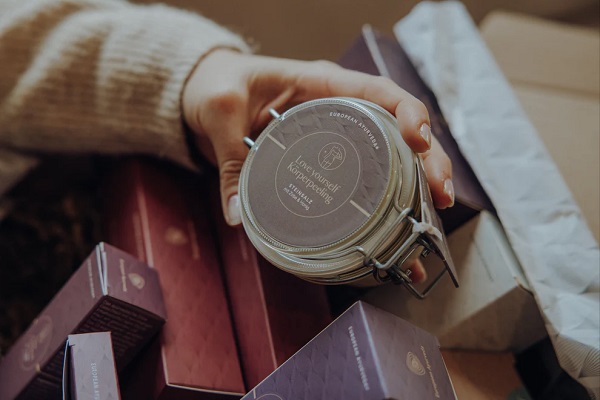
Discover the European Ayurveda® Inner Beauty Home Cure
Beauty comes from within! Achieve a radiant glow with the Inner Beauty Cure – make your skin and hair shine from the inside out and learn healthy routines.
Possible Causes of Hair Loss
Ayurvedic teachings name a variety of possible reasons that can lead to hair loss. These include stress, hormones, environmental influences, genetic conditions, alcoholism, and the excessive intake of medication. By viewing the person as a whole, Ayurveda can be helpful in researching the causes of hair loss.
In Ayurveda, hair loss is considered a symptom that arises from an imbalance of the doshas. It is therefore an indication from your organism that something is wrong and you need to address a problem. When determining the cause, you can orient yourself by the Tri-Dosha principle. Your Dosha type determines which lifestyle benefits you and what weakens you.
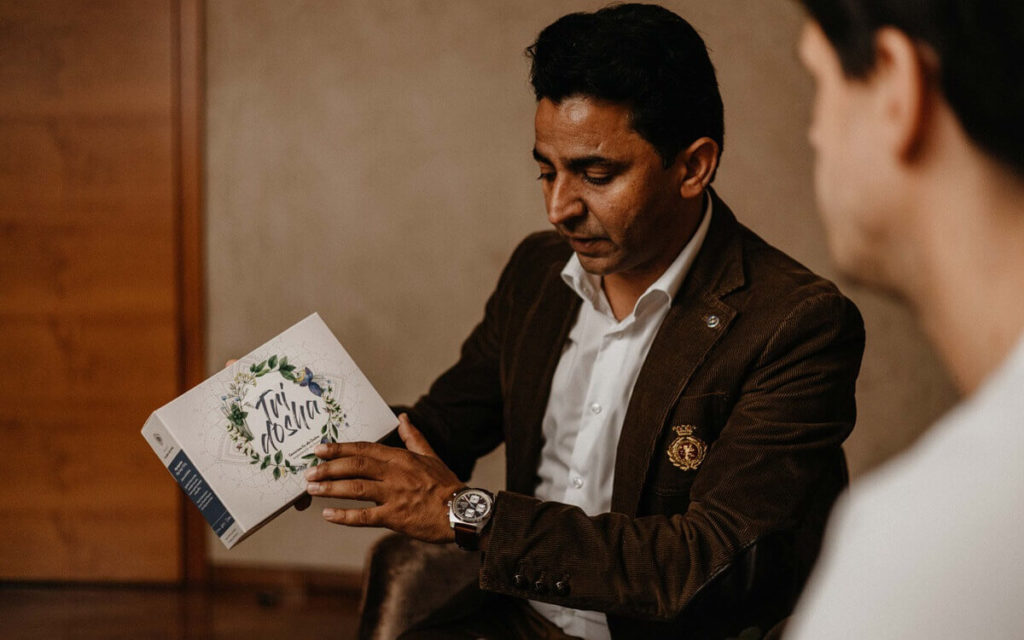
The range of products for hair loss or hair strengthening is diverse. In Ayurveda, it’s not just about healing, but primarily about maintaining health. The cause of the problem should be understood holistically and then treated.
The Hair Types of the Three Doshas
Your Dosha significantly shapes the color, structure, and general condition of your hair. For beautiful and healthy hair, it is recommended to tailor your hair care to your Dosha type:
- The Vata type tends to have fine, brittle, and dry hair, often with a wavy or curly structure and a tendency towards a dry scalp. Accordingly, your cleansing routine should be moisturizing and gentle.
- As a Pitta type, you often have fine, soft, dense blonde or reddish hair that grays and falls out relatively early. Your entire skin – including your scalp – is usually well-circulated.
- Kapha types offer the perfect basis for a so-called lion’s mane. You likely have full, strong hair and tend to have oily hair and scalp.
Hair Cutting from an Ayurvedic Perspective
Ayurvedic teachings recommend cutting hair regularly every 15 days. This procedure, which may initially sound elaborate, offers several advantages. Besides hygienic reasons, minimal trimming of the hair is sufficient to prevent split ends and frizz. Furthermore, your hair will remain healthier and stronger in the long term.
Ayurvedic Treatment Options for Hair Loss
Ayurvedic teachings aim at the root causes of the problem, not just the mere combating of symptoms. In Ayurveda, oils and Indian herbs such as Manjistha are used for hair loss. They relax your body and moisturize your scalp.
Another important aspect from an Ayurvedic perspective is Ayurvedic nutrition. A lack of nutrients, stress, or chronic inflammation – caused by an improper diet – can be causes of hair loss. With a lifestyle focused on your health, such factors can be overcome.

The Panchakarma Cure is also particularly effective against hair loss. In this form of treatment, various methods are combined, including detoxification, massages, herbal supplementation, meditation, yoga, as well as special diets and hydrotherapy.
During this cure, your body is cleansed from within to holistically treat physical ailments or psychological stress. Panchakarma is also a complete detoxification process that removes toxins from your body. This can help, among other things, in combating hair loss.
Ayurvedic Diagnosis for Hair Loss
For the Ayurvedic diagnosis of hair loss, there is the possibility of tongue, pulse, nail, and facial diagnosis. The pulse diagnosis can reveal a lot of information about the state of your organism. External details such as the condition of your nails and skin also provide important insights.
Before diagnosis and treatment can even begin, you will have an anamnesis consultation with an Ayurvedic expert. In this discussion, all aspects concerning you and your health will be clarified. Only with a holistic picture can the appropriate treatment method be chosen.
7 Tips to Treat Hair Loss with Ayurveda
Through the holistic view of you and your body in Ayurveda, treatment begins with a comprehensive lifestyle change. Ayurvedic teachings aim to address the root cause of the problem with targeted measures. This will keep your organism healthy in the long term.

The following seven Ayurvedic tips can help you get hair loss under control:
1. Ayurvedic Nutrition
By changing your diet, you take a big step in the right direction. Your body needs valuable reserves that it can draw upon to combat hair loss. Make sure to eat a varied diet and consume plenty of vitamins and minerals.
Iron-rich foods positively support your metabolism and thus also help with hair loss. In addition to vegetables with a lot of iron, quinoa, soy products, and flaxseeds are also excellent additions to your diet.
The following foods are considered valuable support for healthy hair in Ayurveda:
- Spinach
- Sweet Potatoes
- Avocados
- Nuts (especially almonds)
For supporting the (especially) female hormonal system, Shatavari is also suitable for hair loss. Additionally, the extract is said to have a stress-reducing effect. It helps alleviate hair loss during menopause and relieve cramps during menstruation.
2. Gentle Hair Care
A healthy scalp is crucial for successfully combating hair loss. Therefore, use gentle care and healing products such as special hair tonics with important mineral salts, amino acids, and vitamins. Shampoos with aggressive surfactants, alcohol, and silicones, however, can promote hair loss.

“Hair loss should always be viewed holistically. Ayurveda focuses not only on the symptom but on the internal causes and the overall balance.”
Elisabeth Naschberger-Mauracher, European Ayurveda Expert & Managing Director of the European Ayurveda Resort Sonnhof in Tyrol
3. Avoid Stress
Too much stress negatively affects your body and can subsequently cause hair loss. Therefore, good stress management with Ayurveda is also important for beautiful hair.
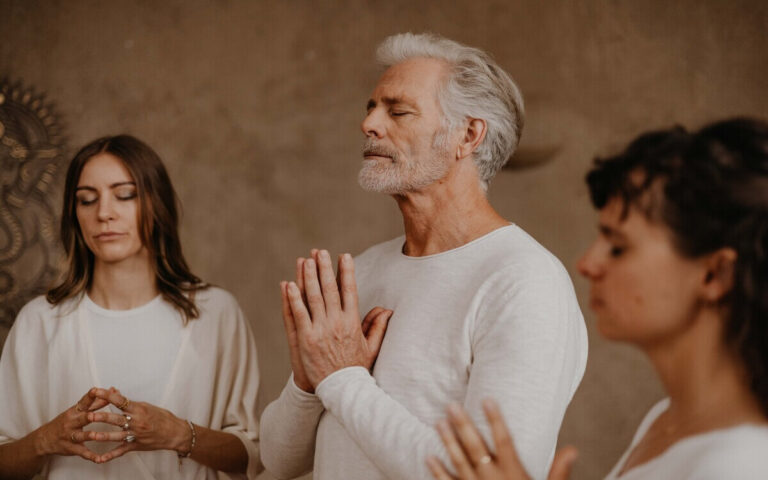
With a busy daily schedule, you can lower your stress level with regularly scheduled meditation sessions. Targeted breathing exercises also help you take conscious breaks and find calm.
4. Sufficient Sleep
Adequate sleep is also important for a healthy organism. Sleep deprivation disrupts your hormone synthesis and endangers hair follicles. For an optimal sleep rhythm, it is best to follow the recommendations for your Doshas.
5. Head Massages
There are various Ayurvedic head massages that can help with hair loss. However, every massage helps with relaxation, which regulates your hormone balance. The touch also stimulates blood circulation to the hair roots, thereby promoting growth.
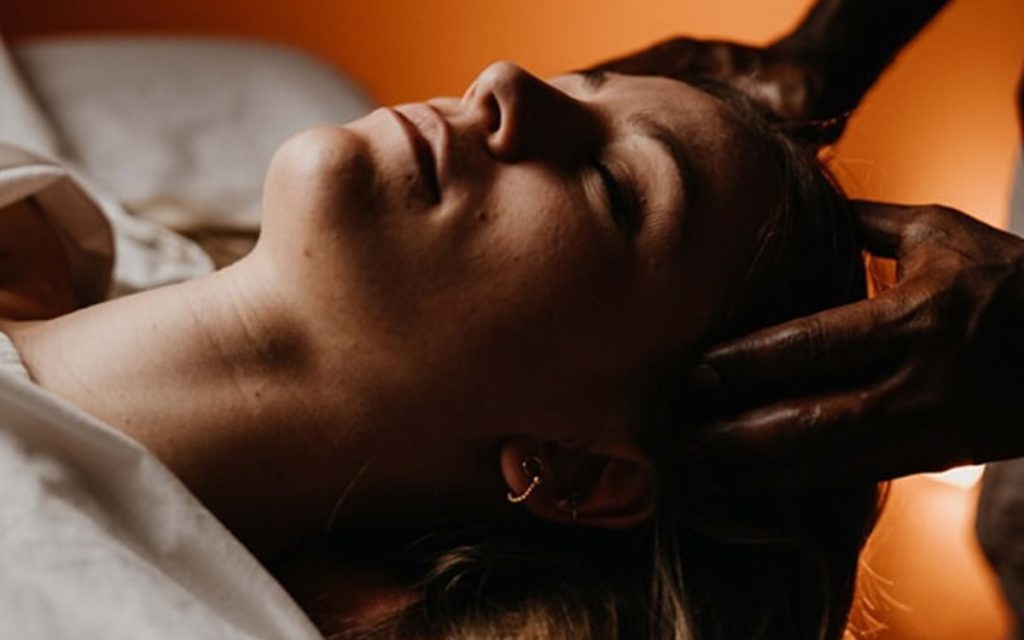
Instructions for an Ayurvedic head massage:
- Find a quiet place and sit comfortably. Put some massage oil on your palms and then apply the oil with your fingers to the center of your head. From there, slowly spread it over the entire scalp with your flat hand. Now place your thumbs on your temples.
- Then apply some pressure and release. Your fingers should be slightly fanned out during this, similar to washing your hair.
- Now move further to the forehead and massage the scalp at the hairline using the same technique. Vary the intensity with which you apply pressure here as well. Repeat the pressing and releasing motion five times.
- Move your hands further up and carefully massage your scalp piece by piece: on the sides, top, and back.
- Move your hands further towards the crown of your head and massage your scalp again with your fingertips. Perform the massage in the same way on the back of your head.
- Once you reach the back of your head, return to the front and start the massage again. For the second round, place your hands a little further apart. Repeat the rhythm of pressing and releasing described above.
So that the oil has enough time to work after the massage, it is best to enjoy half an hour of conscious relaxation before washing it out. Avoid sudden temperature changes during this time.
6. Compresses with Natural Oils
Cold compresses further promote blood circulation in the skin, which also stimulates nutrient exchange. Natural oils such as coconut oil, olive oil, or almond oil are particularly suitable for this. They have a soothing effect and are considered to promote blood circulation.
7. Ayurvedic Cures for Hair Loss
For professional treatment against hair loss, an Ayurvedic cure is best. The traditional Panchakarma cure is a holistic treatment that uses warm oils and massages. Toxins are eliminated, and vitalizing herbs are used to support the treatment.
Read More

Radiantly Beautiful and Well-Cared-For Skin with Ayurveda
Would you like to know how to best care for your skin in addition to your hair? You can find our 10 tips for proper skin care according to Ayurvedic teachings here.