last updated on 10/28/2026
Bloating after every meal, constant fatigue, and your stomach feels somehow off after the last round of antibiotics. Many people then consider a gut cleanse, but it is difficult to keep track of everything between laxative teas, healing clay kits, and probiotic capsules. Here you will find out what really helps your gut and what you can safely do without.
The Essentials in Brief: Gut Cleanse, Gut Restoration, and Colon Cleansing
- Gut restoration is intended to restore the balance of gut bacteria. Colon cleansing, on the other hand, only empties the bowel; this is rarely medically necessary and should be left to experts.
- Gut cleanses are useful when they focus on nutrition and routines instead of radical kits. According to experts, ready-made sets consisting of laxatives, healing clay, and bacterial capsules do not permanently change the microbiome.
- After antibiotics, the gut flora in healthy individuals largely recovers on its own, but individual bacterial species are often still missing after six months. Fiber and fermented foods are your most important helpers in this process.
- You can build your gut flora naturally with at least 30 grams of fiber a day, as many different plants as possible per week, and regular fermented foods such as yogurt, kefir, or sauerkraut.
- European Ayurveda® strengthens the digestive fire, Agni, for this purpose—at home with warm meals and routines, and at the European Ayurveda Resort Sonnhof with the award-winning Detox Cure.
Read more on the topic:
- Ayurvedic Colon Cleansing and Gut Detoxification
- Agni: Why Digestive Fire is So Important in Ayurveda
- 5 Tips on How to Stimulate Your Digestion
- Strengthening the Immune System: What Helps and How Ayurveda Can Support Your Defenses
- Detoxification at Sonnhof: Cleanse Body, Mind, and Soul
What is Gut Restoration?
Gut restoration is a treatment intended to rebalance a disturbed equilibrium between beneficial and undesirable gut bacteria. Experts call this imbalance dysbiosis. It is triggered, for example, by frequent use of antibiotics, a one-sided diet, or chronic stress.

The distinction from colon cleansing is important. A specialist article for pharmacy teams (1) describes gut restoration as balancing the gut flora, while pure colon cleansing is the emptying of the bowel, often as part of a fasting cure. According to the article, the latter should only take place under the guidance of trained therapists.
| Term | Goal | Typical Methods | Duration |
| Colon Cleansing | Emptying the bowel | Laxatives, Epsom salts, enemas, fasting | A few days |
| Gut Restoration | Balancing gut flora | Fiber, fermented foods, probiotics if necessary | Several weeks to months |
| Gut Cleanse (common term) | Usually a combination of both | Varies greatly | Depending on the concept |
In Ayurveda, this distinction has always been made. A cleansing provides short-term relief, while actual restoration takes time and grows through nutrition, rhythm, and a strong digestive fire.
Are Gut Cleanses Useful?
Gut cleanses are useful if they permanently change your diet and habits. On the other hand, ready-made kits that are supposed to “restart” the gut in a few days are of little use. The gut does not regulate itself through pressure, but through what you give it every day.

An expert interview from Austria (2) uses clear words: A cure consisting of bowel emptying, detoxification with healing clay, and subsequent bacterial buildup is not useful. The strain on the body is enormous, the weight loss is short-lived, and the microbiome does not change sustainably as a result.
Even with probiotics, the study situation is thinner than advertising would suggest. Guidelines currently recommend them only for a few complaints such as irritable bowel syndrome, chronic constipation, or vaginal yeast infections. The effect of a plant-rich, high-fiber diet is much better documented.
Colon Cleansing Cure: Who is it Suitable For and Who is it Not?
No colon cleansing is necessary before gut restoration. Those who still wish to do a colon cleansing cure will lose a lot of fluid, and the electrolyte balance can get out of sync. People with cardiovascular diseases should therefore rather avoid it.
In cases of immune deficiency, serious illnesses, during pregnancy, and for children, the first step is to see a doctor. The same applies if your symptoms have never been clarified, as intolerances or bowel diseases can also be behind abdominal problems.
At the European Ayurveda Resort Sonnhof, cleansing is therefore always part of a supervised process. On the Virechana cleansing day of the Detox Cure, you are not left on your own; before and after, there is rest, warm meals, and a gentle buildup.
Which Gut Cleanse After Antibiotics?
After antibiotics, your gut primarily needs food for the remaining good bacteria, meaning fiber and fermented foods, and a little patience. An aggressive cleansing would be counterproductive now. Whether an additional probiotic is useful is best discussed with your doctor or at the pharmacy.

How Long Does it Take for Gut Flora to Recover?
In healthy adults, the gut flora returns surprisingly quickly to near its initial state after a short course of antibiotic treatment, but not completely. This is shown by a Danish study with 12 healthy men (3) who received three strong reserve antibiotics for four days.
After about one and a half months, their gut flora again largely resembled the state before treatment. However, nine common bacterial species that were previously present in all participants were no longer detectable in most even after 180 days.
A gut cleanse after antibiotics is therefore not a sprint. Expect weeks to months and give your gut the best possible conditions during this time.
Building Gut Flora Naturally: These Foods Help
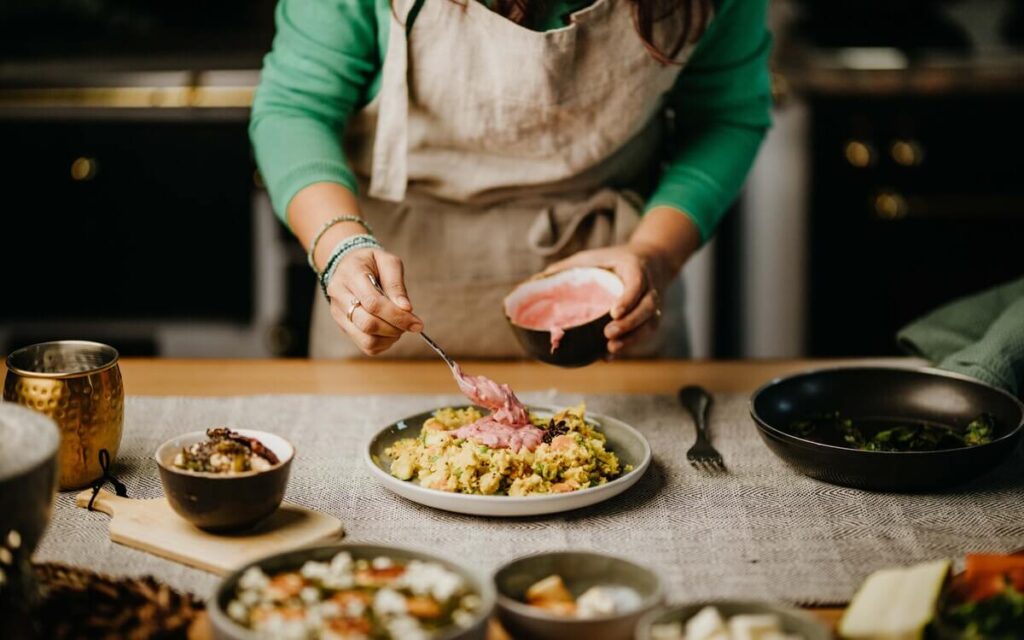
The most reliable gut restoration cure is not found in a capsule, but on your plate. Your gut bacteria live on what remains undigested in the small intestine, which is primarily fiber. The more diverse this food is, the more diverse the bacterial community becomes.
How Much Fiber Does Your Gut Need?
Adults should eat at least 30 grams of fiber daily; most do not even come close to that. A health guide from the pharmacy (4) also reports: Those who ate at least 70 grams of whole grains daily had a 20% lower risk of dying from cardiovascular disease or cancer.
Increase the amount slowly, otherwise your stomach will react with bloating. And drink enough, because fiber needs liquid to swell in the gut.
Diversity is at least as important as quantity. In a large project on the gut microbiome (5), people who ate more than 30 different plants per week had a more diverse gut flora than those with ten or fewer. Herbs, spices, nuts, and seeds also count.
Why Fermented Foods are So Effective
Fermented food brings living cultures and noticeably changes the gut environment. In a ten-week nutritional study from Stanford (6), 36 adults either ate a particularly high-fiber diet or increased their consumption of fermented foods to about six servings per day.
In the fermented group, the diversity of gut bacteria increased, and 19 inflammatory proteins in the blood decreased, including interleukin-6. In contrast, the fiber group showed no change in diversity during this short period.
It is best to combine both. Fiber feeds the bacteria that are already there, while fermented foods revitalize the community.
- Legumes: Lentils, mung beans, chickpeas – high in fiber, nourish butyrate-producing bacteria
- Whole Grains & Pseudocereals: Oats, millet, spelt, buckwheat – fiber and resistant starch
- Cooked Vegetables: Carrots, pumpkin, fennel, zucchini – gentle fiber, well-tolerated
- Fruit: Stewed apple, pear, berries – pectin as food for the gut flora
- Fermented Foods: Natural yogurt, kefir, sauerkraut, lassi – living cultures, more bacterial diversity
- Herbs & Spices: Ginger, cumin, fennel, turmeric – used in Ayurveda to strengthen Agni, count towards plant diversity
Doing a Gut Cleanse: How to Proceed at Home
A natural gut cleanse at home does not require special products, but it does require a plan. Allow for at least four weeks, preferably three months, so that new habits can take root. The table shows a gentle process in three phases.
- Week 1 (Relieving): Eat warm and light, omit sugar, alcohol, and highly processed foods, warm water in the morning
- Weeks 2-4 (Building): Gradually increase fiber, one serving of fermented food daily, many different plants
- From Week 5 (Consolidating): Fixed meal times, breaks between meals, keep an eye on stress and sleep
Your gut reacts noticeably to your rhythm. Fixed meals and thorough chewing often relieve it more than any preparation and stimulate digestion.
How Does European Ayurveda® Support Your Gut?
In European Ayurveda®, the gut is considered the center of health. Crucial to this is Agni, the digestive fire: if it burns weakly, undigested matter remains, called Ama in Ayurveda. A gut restoration therefore always means strengthening Agni first.

How strong your Agni is depends on your constitution. Pitta types tend toward heartburn and diarrhea, Kapha types more toward sluggishness and constipation, and Vata types toward bloating. You can find out your type in the Dosha Test.

“A gut that has been under pressure for years cannot be repaired in a week. What we initiate during the cure continues to grow at home with every warm meal you eat in peace.”
Elisabeth Naschberger-Mauracher, European Ayurveda® Expert & Managing Director of the European Ayurveda Resort Sonnhof in Tyrol
In our Ayurveda Resort, every cure begins with a detailed consultation and a pulse diagnosis. The Detox Cure can be booked for four nights or more and was named the world’s best detox program at the World Luxury Spa Awards 2024 and 2025. During the cure, you abstain from alcohol, coffee, raw food, and sugar; meals are prepared with ingredients from our own farm.
For a deeper cleansing across several levels, there is the Panchakarma Cure, the queen of Ayurvedic cures. For use at home, our expert team has developed the Good Gut Feeling Home Cure. For three weeks, teas, oils, and spices accompany you, with a focus on conscious cooking, eating, and beneficial applications. For everyday life, the Agni Balance Herbal Tea and Triphala Herbal Capsules are also suitable.
Don’t forget your mind in the process. For many people, stress and restless nights directly affect digestion. The Sleep Well Home Cure supports you for three weeks with evening rituals, teas, and oils to help you find peace again.
A good gut cleanse is therefore less a one-time action than a new habit. If you give your gut rest, diversity, and time, it will thank you with more lightness, energy, and a stable immune system.
FAQ: Frequently Asked Questions About Gut Restoration
What are the benefits of a gut cleanse?
A well-executed gut cleanse can increase the diversity of your gut bacteria and alleviate complaints such as bloating or sluggish digestion. However, it only has a lasting effect if you maintain your diet and routines afterward.
How long should a gut cleanse last?
At least four weeks, preferably three months. According to experts, probiotics should be taken regularly for at least one to three months so that the bacteria can colonize.
Which gut cleanse after antibiotics is the best?
A high-fiber, varied diet with something fermented every day is best documented. Whether a probiotic is useful is best clarified with your doctor or at the pharmacy.
Is a colon cleansing necessary before gut restoration?
No. A colon cleansing is not necessary for gut restoration and can cause fluid and electrolyte loss. If you want a cleansing, then only under expert supervision.
Which foods are good for the gut flora?
Legumes, whole grains, cooked vegetables, fruit such as stewed apples, and fermented foods such as natural yogurt, kefir, and sauerkraut. Ideally, more than 30 different plants per week.
How often should you do a gut cleanse?
An intensive cure is sufficient once or twice a year, for example in spring and autumn. Much more important is a gut-friendly diet in everyday life.
Which gut cleanse does Sonnhof recommend?
The European Ayurveda Resort Sonnhof primarily recommends the Detox Cure for gut health, and the Panchakarma Cure for deeper cleansing. For home use, the Good Gut Feeling Home Cure from European Ayurveda® is suitable.
Sources
- Kühnast, C. (2025, September 15). How useful are gut cleanses? PTAheute. https://www.ptaheute.de/wissen-am-hv/darmgesundheit/wie-sinnvoll-sind-darmkuren
- Welt der Frauen. (n.d.). How useful are gut cleanses and probiotics? https://www.welt-der-frauen.at/darmkuren-probiotika-sinnvoll/
- Palleja, A., Mikkelsen, K. H., Forslund, S. K., Kashani, A., Allin, K. H., Nielsen, T., Hansen, T. H., Liang, S., Feng, Q., Zhang, C., Pyl, P. T., Coelho, L. P., Yang, H., Wang, J., Typas, A., Nielsen, M. F., Nielsen, H. B., Bork, P., Wang, J., … Pedersen, O. (2018). Recovery of gut microbiota of healthy adults following antibiotic exposure. Nature Microbiology, 3(11), 1255–1265. https://pubmed.ncbi.nlm.nih.gov/30349083/
- Apotheken Umschau. (n.d.). Why fiber is so important for health. https://www.apotheken-umschau.de/gesund-bleiben/ernaehrung/warum-ballaststoffe-gesund-sind-716265.html
- McDonald, D., Hyde, E., Debelius, J. W., Morton, J. T., Gonzalez, A., Ackermann, G., … Knight, R. (2018). American Gut: An open platform for citizen science microbiome research. mSystems, 3(3), e00031-18. https://doi.org/10.1128/mSystems.00031-18
- Wastyk, H. C., Fragiadakis, G. K., Perelman, D., Dahan, D., Merrill, B. D., Yu, F. B., … Sonnenburg, J. L. (2021). Gut-microbiota-targeted diets modulate human immune status. Cell, 184(16), 4137–4153.e14. https://doi.org/10.1016/j.cell.2021.06.019