Last updated on January 27, 2026
Ayurvedic nutrition is based on 5,000-year-old Indian medicine and describes a complete system for diet. It’s about combining foods so that they are well-tolerated together. In this article, you will learn everything about the characteristics and fundamentals of Ayurvedic nutrition.
The Essentials in Brief: What is Ayurvedic Nutrition?
Ayurvedic nutrition is a holistic, type-specific dietary concept that focuses on fresh, warm, and easily digestible foods. The goal is to keep the three doshas – Vata, Pitta, and Kapha – in balance. Central elements include ghee and digestion-promoting spices like ginger and turmeric. It also includes three regular main meals without snacks, avoiding cold foods, and consciously incorporating all six tastes.
Read more about the Ayurvedic diet:
- Your European Ayurveda® Food Chart
- Ayurveda Diet: 5 Tips for Sustainable Weight Loss
- 5 Tips to Stimulate Your Digestion
- Agni: Why the Digestive Fire is So Important in Ayurveda
Ayurvedic Nutrition
We live in a hectic world where food no longer serves to nourish, but merely to satisfy hunger. Furthermore, non-biological foods are heavily processed. Ayurvedic nutrition, with its focus on conscious enjoyment, unprocessed foods, and local products, is the counterpart to this.
An Ayurvedic meal plan carefully considers all the treasures that nature provides us. Thus, your physical and mental needs are individually factored into your diet. The foods not only provide you with valuable vital energy but also support your physical health, your soul, and your mind.
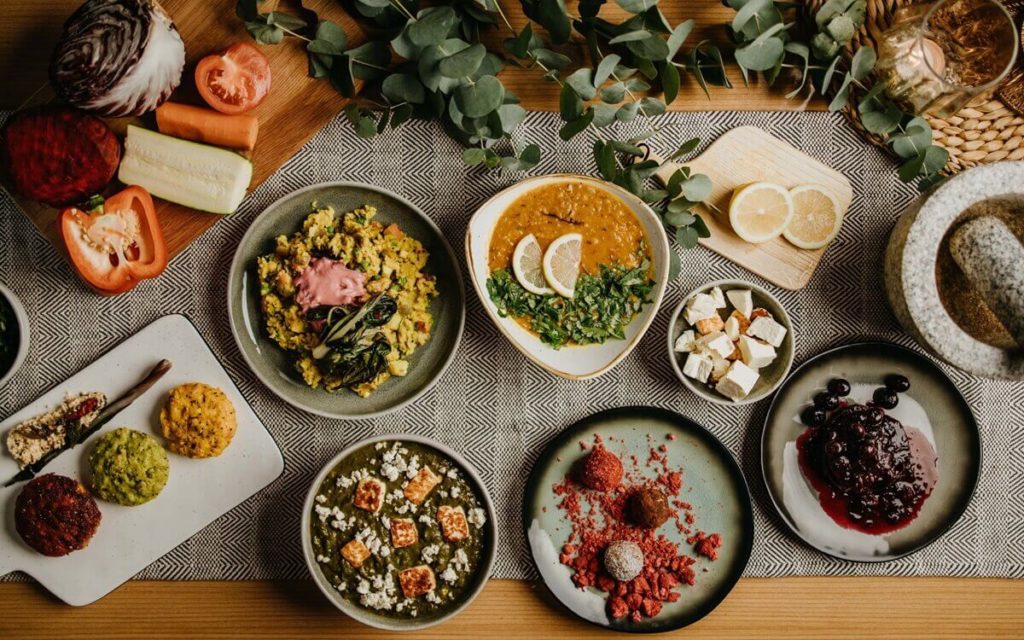
Ayurvedic nutrition combines effective dietary therapy with creative culinary art. Fresh foods are selected to suit your constitutional type. Daily and seasonal rhythms are also considered, specifically aligning with your metabolism.
Dishes are refined with Ayurvedic herbs and spices. These give the dishes a diverse flavor and have a positive effect on the human organism. With the right diet, you can positively influence and strengthen your energy.
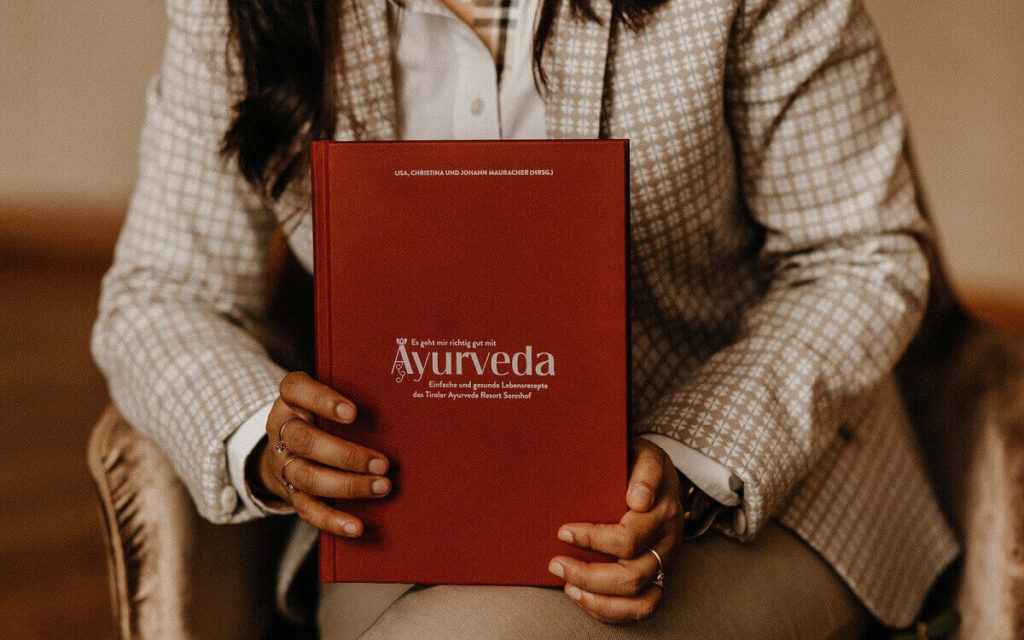
Ayurveda Cookbook for Home
Discover the cookbook “I Feel Really Good with Ayurveda” for home – with 60 simple and healthy recipes from the European Ayurveda Resort Sonnhof!
Our Head Chef: Leonard Müller
With European Ayurveda cuisine, the principles of Indian healing art are adapted to the tastes of local latitudes. At the European Ayurveda Resort Sonnhof, we exclusively use fresh, organic foods from the region. Our Ayurvedic cuisine is meat-free to actively relieve your body during food intake.

We were honored as a “Vegan Welcome Hotel” by the worldwide cooperation Vegan Welcome for our healthy and ethically responsible lifestyle. For our guests, this means a vegan option is offered with every meal. We are delighted that our European Ayurveda concept receives so much regional and international recognition.
What are the Guiding Principles of Ayurvedic Nutrition?
Ayurvedic nutrition is, above all, type-specific. Your nutritionist recommends a diet tailored to your individual constitution and its imbalances. It differentiates between mental, emotional, and physical effects. Your meal plan aims for the renewal and healing of your body, as well as personal development.
Ayurvedic nutrition is also practical for everyday life and can be easily integrated into your daily routine. When creating the rules and recipes, your lifestyle and the cycles of life are considered. Ingredients are selected according to life stages, seasons, and times of day.

“Ayurvedic nutrition is most effective when it is type-specific, warm, and easily digestible. This way, food becomes a daily source of balance, energy, and well-being.”
Deepa Naik, Ayurveda Specialist at the European Ayurveda Resort Sonnhof in Tyrol
Ayurvedic cooking is undogmatic and imaginative. Dishes are prepared differently depending on taste and cultural background. This makes the dishes both delicious and sensually fulfilling. Nutrition is medicine and will promote the healing process through special diets and cures, according to your health condition.
| Origin | I feel really good. Because I get to consume fresh, nutritious, and high-quality food. I pay attention to the origin and enjoy unprocessed products. |
| Atmosphere | I feel really good. Because I get to eat in a calm and pleasant atmosphere. I pay attention to a harmonious environment when I cook and enjoy. |
| Preparation | I feel really good. Because my body can optimally utilize all nutrients and digest food well. I pay attention to a preparation that brings my three doshas into balance. |
| Time | I feel really good. Because I adapt my diet to the seasons, time of day, and my life stage. I make sure I can enjoy my food without stress. |
| Quantity | I feel really good. Because I listen to my natural feeling of satiety and can distinguish between emotional and physical hunger. I make sure not to overeat. |
| Taste | I feel really good. Because I eat a balanced diet and it simply tastes good. I make sure that all six tastes are present in my food. |
| Combination | I feel really good. Because my body can digest food properly. I pay attention to an optimal combination of foods. |
The Cuisine at Our Ayurveda Resort: Tridosha
Regional, conscious, digestible. The nutrition at the European Ayurveda Resort Sonnhof is characterized by appreciation and mindfulness. The philosophy of Indian healing is adapted to regional products and the taste buds of the Western world. Taste the difference: Fresh and organic foods from the family’s own farm in delicious Tridosha dishes.
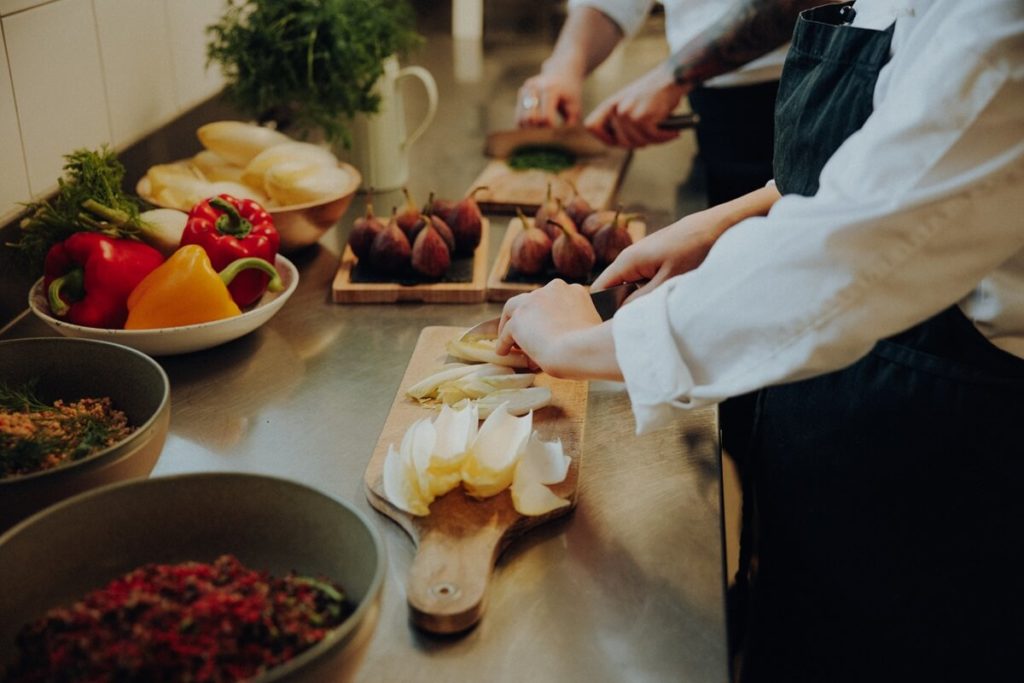
Enjoy a generous breakfast buffet in the morning, combining local and Ayurvedic specialties. At lunchtime, you can help yourself at the Pitta buffet: warming soups, colorful salads, nourishing appetizers, and delicious desserts. In the afternoon, treat yourself to a Vata snack with a tea ceremony and healthy delicacies. In the evening, you can choose between Ayurvedic, Fish, or Vegan.
Experience a wonderful symbiosis of fresh vegetables, invigorating herbs, and delicious meals. If you enjoy an Ayurveda cure with us, your Ayurveda specialist will explain exactly what you can enjoy at each meal. For pure moments of pleasure that have a lasting positive effect on you and your soul.
10 Basic Rules of Ayurvedic Nutrition
In Ayurveda, there is an extensive catalog for individual constitutional and metabolic balance. Additionally, there are some basic rules you should consider in your diet. By following them, you will promote your long-term health and increase your performance.

The following 10 dietary rules will help you balance the individual equilibrium of your doshas and optimize your digestion. The rules can be easily integrated into your daily meal plan. Thus, they can also be specifically used as part of a nutritional therapeutic diet.
The Right Quantity
Part of Ayurvedic eating is to eat in moderation, as both too much and too little food can lead to disturbances. Imagine the capacity of your stomach divided into quarters: two parts are for solid food and one part for liquid food. The fourth part ideally remains empty to avoid disturbing digestive functions.
Do Not Drink with Meals
To avoid extinguishing your digestive fire, you should not drink before and after eating. During the meal, it is recommended not to drink anything or only very little to promote your digestion. Another exception is digestion-stimulating teas before eating. Generally, still or warm water and herbal teas are best suited for fluid intake.
Eat High-Quality Foods
Aim for the purest possible – meaning high-quality, fresh – food, prepared with love. Self-cultivation and organic stores generally offer the best quality, as these products use hardly any fertilizers, insecticides, or harmful substances. You should also prioritize regional and seasonal food.
Prefer Cooked and Home-Prepared Meals
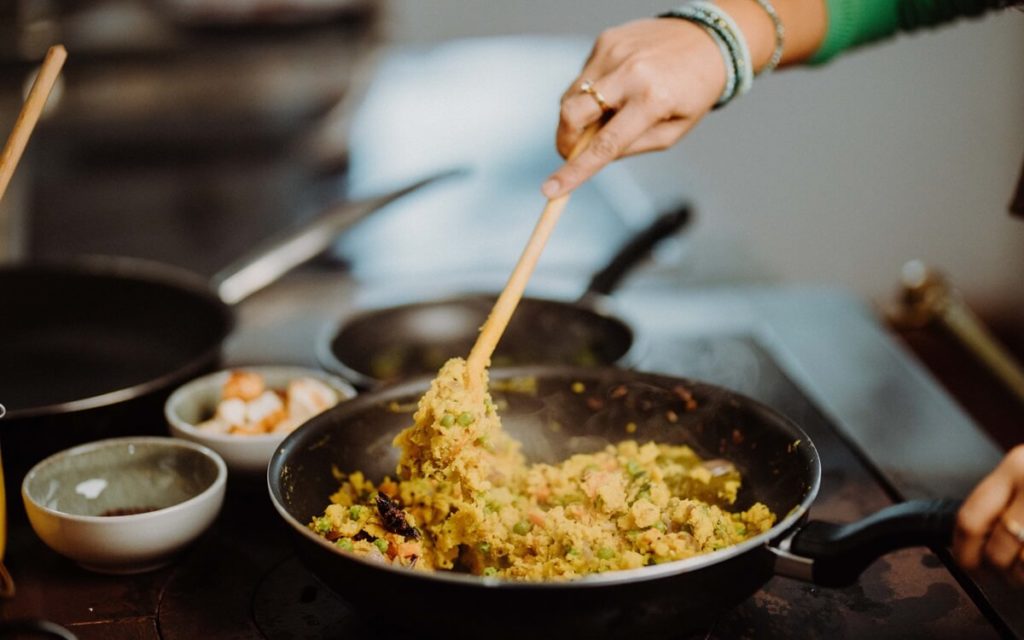
It’s best to cook yourself and primarily eat warm meals. Warmth stimulates your digestion and metabolism. This way, even hard-to-digest dishes can be better broken down and utilized. You should prepare your main meals, lunch and dinner, warm.
Individuality in Food Selection and Preparation
When choosing foods, consider your personal preferences and (in)tolerances. Therefore, take into account your constitution (Prakriti) as well as any current health disorders (Vikriti).
Eat in Peace and Chew Well
Eating slowly and chewing consciously not only allows you to enjoy your food more. You also relieve your stomach and intestines of a lot of work and make an important contribution to healthy digestion.
Eat in a Pleasant Atmosphere
The psychological component plays an important role in food intake. Enjoy your meal in a place where you feel safe and comfortable, so you can dedicate your full attention to the process of eating. Avoid distractions such as reading, talking, or watching television. Your digestion and health can be negatively affected in the long run.
Eat Regularly and Avoid Snacks
Eat regularly and avoid uncontrolled snacks. It is best to eat again only when the previous meal has been digested. This is the only way to prevent stress on your digestive and metabolic processes. The food you consume in the morning and at noon should be digested by evening, and dinner by the next morning.
- In the morning, digestive function is sluggish: a small and light Ayurvedic breakfast
- At noon, digestive power is strongest: main meal
- In the evening, about three hours before bedtime: light, warm meals
Pay Attention to a Balanced Taste
In Ayurveda, a meal is considered balanced if all six tastes are included. Ideally, you consume them in the following order: sweet, sour, salty, pungent, bitter, and finally astringent. This sequence corresponds to the phases of digestion. Cooking with ghee (clarified butter) additionally intensifies the taste and promotes digestion.

Pay Attention to the Right Combination
When preparing your dishes, pay attention to the correct combination of individual components. Certain foods should not be combined. These “wrong combinations” are considered causes of various ailments. Consequences can include insufficient transport function or “contaminated” blood.
- Never consume milk with sour and salty foods, meat, fish, garlic, radish, pomegranates, leafy greens, mustard, sesame seeds, basil, or bananas.
- Milk-friendly foods, however, include: mango, grapes, honey, ghee, butter, ginger, pepper, sugar, rice flakes, barley, and the Amla fruit (Emblica officinalis).
- Meat should not be combined with honey, sesame, milk, radish, sugarcane products, or sprouts. This would lead to various nervous disorders.
- Do not combine fish with banana, milk, yogurt, and buttermilk.
- It is best not to combine fresh fruits with cooked dishes.
- Do not eat sour fruits with yogurt or cheese.

Discover Healthy Ayurvedic Foods
Discover delicious and healthy Ayurvedic foods now in the European Ayurveda® Shop!
Dietary Tips for Dosha Balance
You can find out how your diet affects the balance of the doshas in the following section. With the right diet and an Ayurveda food chart tailored to your dosha, you can strengthen the energies in your body and prevent illnesses.

Your Vata Diet
With this type of diet, you can pacify your Vata. It is important to choose foods that are the opposite of Vata to balance its qualities. Focus on a regular, warm diet, consisting primarily of liquid, oily, and heavy dishes. Feel how your Agni (digestive fire) is strengthened and your sense organs are invigorated.
Your Pitta Diet
Pitta diet is right for you if you want to pacify or reduce your Pitta dosha. Make sure to create the opposite effect with your diet. Pitta is found in hot, liquid, sour, pungent, and light dishes. Enjoy four small meals daily, where you can freely choose raw food and cool items. Feel your body de-acidify and your blood purify.
Your Kapha Diet
Kapha is cool, heavy, stable, oily, and perfect if you want to pacify this dosha. You are welcome to fast regularly or even skip meals. Focus primarily on a warm and light diet in small portions with a high vegetable content. Feel blockages release and your metabolism stimulate.
Your Tridosha Diet
In the Tridosha diet, your doshas are equally balanced. Or perhaps you have a family that combines Vata, Pitta, and Kapha. Tridosha nutrition encompasses the entire Ayurvedic diet, and you can enjoy it as you please. If you wish, you can orient yourself seasonally to the individual doshas.
In autumn and winter, focus on Vata; in spring and summer, on Kapha; and in midsummer, on Pitta. Pay particular attention to high-quality, regional, and seasonal foods, as well as a balanced diet. Feel how you stay in balance and how your body navigates the seasons with more serenity.
Identify Your Ayurvedic Nutritional Type
The following questionnaire consists of several parts and will help you determine your Ayurvedic nutritional type.
- Vata, Pitta, or Kapha?
Crucial for type-specific nutrition is the current state (Vikriti) of your doshas. Through the correct selection and preparation of food, they are brought into balance according to the principle of “opposites balance each other.” The goal is to pacify pronounced characteristics through proper nutrition.
If the qualities listed in the table are strongly pronounced on a physical or mental level, they indicate an imbalance of one or more doshas. You can balance these with foods of opposing qualities.
| Vata | Pitta | Kapha |
| light dry cold rough, mobile sensitive bloating changeable | sour hot reddened burning sharp inflammatory penetrating irritated | heavy moist immobile lethargic mucous sweet tissue-building oily |
| Vata Characteristics: ___ | Pitta Characteristics: ___ | Kapha Characteristics: ___ |
- Appetite and Digestive Capacity
The guiding principle of Ayurvedic nutrition is “You are what you digest.” According to the type-specific quality of metabolism (Agni), type-specific nutrition is guided by the right quantity, food selection, and spices during meals.
| Vata | Pitta | Kapha |
| bloating dry stool frequent constipation sometimes diarrhea loses weight easily | strong appetite heartburn stomach burning diarrhea yellowish, loose stool active metabolism | moderate appetite often overeats feeling of fullness greasy stool slow digestion gains weight easily |
| Vata Characteristics: ___ | Pitta Characteristics: ___ | Kapha Characteristics: ___ |
- Dosha Imbalances and Tendencies to Illnesses
Are you particularly susceptible to some of the following complaints? Counteract them with type-specific nutrition.
| Vata | Pitta | Kapha |
| sleep disorders anxiety, worries, nervousness underweight, emaciation immune deficiency ear noises or tinnitus frequent pain, stiffness and cramps musculoskeletal complaints, neurological diseases | fever, excessive sweating emotional irritability and aggression inflammation and suppuration headaches, migraines unclean skin, skin diseases weakening of vision premature hair loss and/or graying hair | water retention, edema excessive mucus formation in the bronchi, forehead, sinuses feeling of heaviness in the body, overweight, obesity drowsiness, excessive sleep diabetes tumor formation |
| Vata Characteristics: ___ | Pitta Characteristics: ___ | Kapha Characteristics: ___ |
Evaluation of Ayurvedic Nutritional Types
Add up the results of your respective answers per dosha. If a particularly high sum results for one or two doshas, you should take the following tips to heart.
Nutrition for Vata Balance
- Three warm and cooked meals per day are just right for you, preferably prepared as a stew
- Prefer warm, cooked, nourishing, and easily digestible foods with a sweet taste component. Particularly well-tolerated are: root vegetables, nuts, cereal flakes, compote from sweet fruits, butter, and cream
- Enjoy hard-to-digest foods like raw vegetables, cabbage, and legumes only in small quantities
- Cook with digestion-promoting spices like ginger, cumin, asafoetida (hing), fennel, cinnamon, and anise
- Make sure to eat regularly and in a calm and relaxed atmosphere
- Prefer warm beverages and drink one to two cups of warm ginger water in the morning
Nutrition for Pitta Balance
- Have your main meal at noon, when the digestive fire (Agni) burns strongest
- Avoid sour, pungent, and heating foods as much as possible, such as citrus fruits, sour berries, vinegar, tomatoes, salt, alcohol, red meat, sour dairy products, and hot spices
- Prefer sweet and bitter vegetables like leafy greens and root vegetables, and try to incorporate a large portion of salad and/or raw food into your diet every day
- Plenty of exercise and physical activity helps you release physical and mental “pressure”
- When cooking, use spices that balance the digestive fire, such as turmeric, coriander, fennel, cardamom, and fresh garden herbs
Nutrition for Kapha Balance
- Do not overload your stomach and avoid snacks
- Do not consume your last meal too late in the evening and avoid all cold, raw, heavy, and mucous-forming foods. These include cheese, raw vegetables, meat, or dairy products. Soups or stews are ideal.
- Stimulate your digestive fire with pungent spices and bitter herbs: chili, pepper, ginger, cress, and chives are particularly suitable for this
- Ensure regular exercise and physical activity in the fresh air to boost your metabolism and gain more lightness
- Drink one to two cups of hot water or ginger water with a little honey every day

Ayurveda Detox: Procedure and Effectiveness of Ayurvedic Cleansing
In our hectic and fast-paced world, there is often no time for healthy and wholesome food. A healthy diet is often neglected. With an Ayurveda Detox program, your body is cleansed, your soul can breathe a sigh of relief, and your mind can refocus on the essentials.