Shatavari, also known as Indian asparagus, has long been used in Ayurveda for women’s well-being. It is said not only to increase fertility and act as an aphrodisiac, but also to have a rejuvenating effect. However, men can also benefit from the positive effects of this plant. Here you will learn what makes Shatavari so special, how it works, and how best to take it.
What is Shatavari?
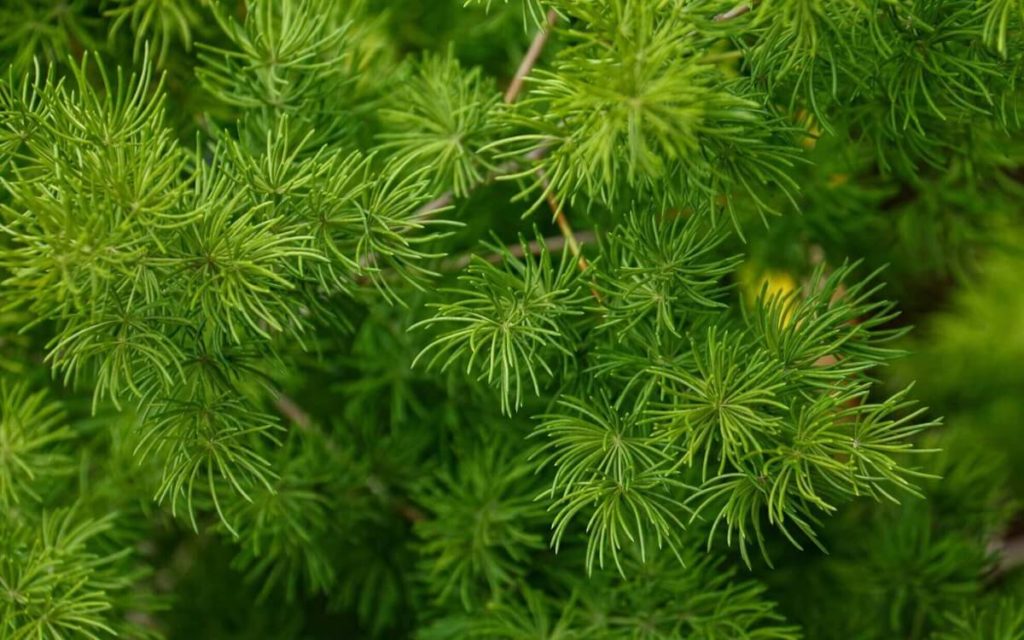
Shatavari is a small, thorny bush primarily native to India and the Himalayas. The plant belongs to the asparagus family and is therefore also known as wild asparagus or Indian asparagus. Its botanical name is Asparagus racemosus.
While the plant is notable for its beautiful white flowers and needle-like leaves, in Ayurveda, primarily the Shatavari root is used.
The name “Shatavari” means something like “a woman who has 100 husbands.” As the name suggests, wild asparagus is traditionally used by women to enhance fertility. However, both genders can ultimately benefit from the many positive properties of this Ayurvedic medicinal plant (3).
Shatavari: Effects on Women and Men
Wild asparagus has been used in Ayurveda for centuries for health purposes. It is primarily known as a fertility-enhancing tonic for women and men. It also strengthens the Kapha Dosha and helps to temper the restless and fiery qualities of Vata and Pitta (1). In this way, it is particularly beneficial for body and mind, bringing healing energy and balance.
Shatavari is attributed with the following effects in Ayurveda:
Calming, stress-reducing, and pain-relieving
Wild asparagus primarily serves to calm, as it soothes the restless Vata Dosha. Thus, it has anxiety-reducing and nerve-calming effects, ensuring restful and relaxed sleep.
In Ayurvedic medicine, Shatavari is traditionally used for sleep disorders or pain. It helps the mind to better cope with stress and find peace more easily.
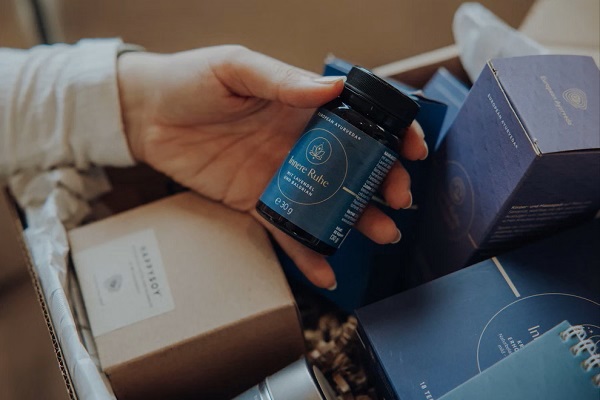
Discover the European Ayurveda® Sleep Well Home Cure now
Transform your sleep in just three weeks! This intensive at-home Ayurveda program can sustainably improve your sleep, so you can start each new day with full energy. Now with our European Ayurveda® Home App: The complete program for better sleep!
Calms the Intestines
However, Shatavari is not only good for the nerves but is also used to calm the intestines. It acts as a mucosal protector and provides pleasant and quick relief for heartburn or diarrhea.
Due to its Kapha-increasing effect, it also stimulates appetite and can promote digestion. This ensures your intestines are completely well! For persistent problems, an Ayurvedic colon cleanse or cure can also help.
Has a rejuvenating effect
The plant also has a rejuvenating effect for healthy longevity. Due to its moisturizing properties, it counteracts age-related tissue dehydration and can thus prevent signs of aging (3). Who needs a fountain of youth when there’s this Ayurvedic anti-aging root?
Strengthens the immune system and has anti-inflammatory effects
Through its antioxidant properties, Shatavari can support the immune system. For example, it can be used as a home remedy for colds or inflammation. It stimulates the formation of immune cells and strengthens your defenses.
Its antioxidant and adaptogenic effects, derived from natural saponins, alkaloids, steroids, and flavonoids, can also prevent negative environmental influences. This can help regenerate damaged tissue and reduce the effects of oxidative stress and environmental toxins.
Attention:
You should only take dietary supplements after consulting with your doctor. The information provided in this article is for educational purposes only and does not substitute for medical advice! The consumption of recommended dietary supplements is at your own discretion.
Shatavari’s Effects on Women
Shatavari has a very special relationship with women and has always been used in Ayurveda for their well-being. It has a calming effect on menstrual discomfort and helps regulate the cycle and alleviate menopausal symptoms. However, the root is also beneficial for many other types of female discomfort.

Shatavari for Irregular Cycles and PMS
Due to the isoflavones (phytoestrogens) it contains, Shatavari has a balancing effect on female hormones. It can balance both estrogen deficiency and excess, thereby promoting regular, symptom-free menstruation.
A stress-induced imbalance, which also affects the reproductive system, can thus be counteracted. Bring your hormones into balance and alleviate menstrual pain, PMS, and an irregular cycle.

“Shatavari has always been valued in Ayurveda for its nourishing and balancing effects. This is precisely where its particular strength for regeneration and inner balance lies.”
Gaurav Sharma, Ayurveda Specialist at European Ayurveda Resort Sonnhof in Tyrol
Shatavari for Fertility and During Breastfeeding
Many women who have had difficulty conceiving are said to have had positive experiences with Shatavari. Indian asparagus is a traditional Ayurvedic remedy for unfulfilled desire to have children.
It is said to increase fertility and also have an aphrodisiac effect. Thus, it not only strengthens libido but also the reproductive tissues and rebalances hormones (4).
Here, too, its balancing effect on hormone levels is crucial for bringing the reproductive system into equilibrium and thus facilitating conception. Shatavari’s effect on hormones works thanks to its contained phytoestrogens, which can balance estrogen levels and thus restore hormonal balance.
But even after pregnancy, Shatavari can continue to support new mothers. Due to its moisturizing properties, it promotes milk production and protects the uterus and ovaries from inflammation.
Shatavari in Menopause
The female body undergoes various changes throughout a woman’s life. From an Ayurvedic perspective, the Pitta phase begins in girls with their first menstruation during puberty and lasts until menopause. During menopause, the body transitions into the Vata phase, which stands for movement, imbalance, and restlessness.

Many women find the changes during this time quite challenging. Some feel anxious, nervous, or even depressed due to the excess Vata. Here, it is important to address the body’s changes and calm the Vata somewhat.
Shatavari’s effect during menopause according to Ayurveda is primarily balancing: its intake can help women find their center again. Due to its moisturizing and cooling properties, it is beneficial for typical menopausal symptoms such as dryness, sweating, and heat.
In this way, women of all ages can draw vitality and strength from taking the Shatavari root (2).
Shatavari’s Effects on Men
Indian asparagus is primarily used as an all-rounder for women’s issues, but that doesn’t mean men can’t also benefit. The plant can increase sexual vitality in men. Especially in cases of impotence or a decrease in libido, it can counteract these issues.
It is also said to increase sperm count and motility and help against inflammation in the reproductive system. In this regard, the plant’s effects are similar to Ashwagandha.
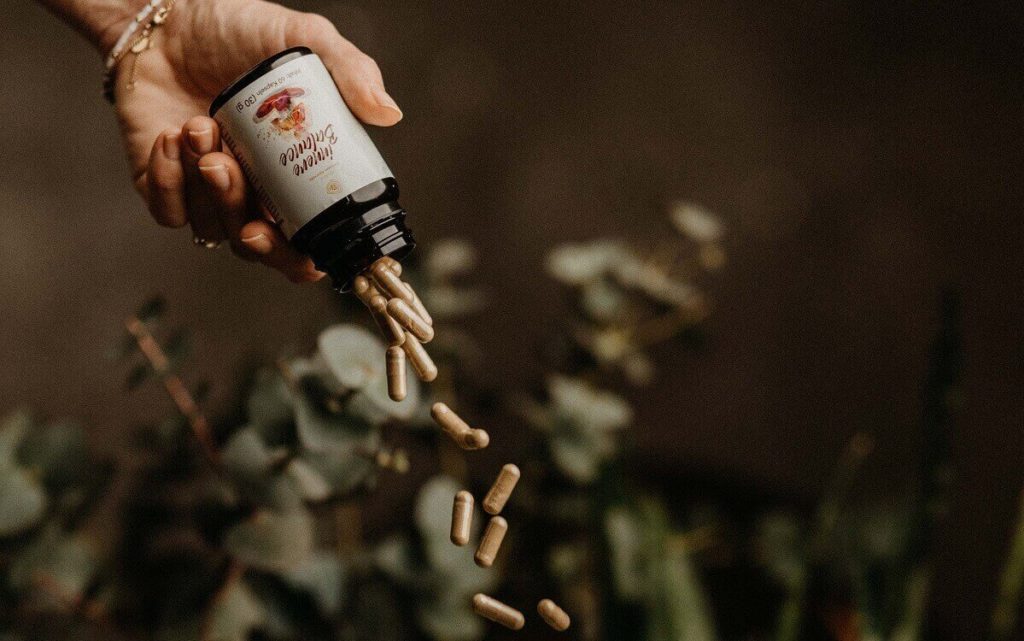
Discover high-quality dietary supplements in our shop now
For a balanced diet and more balance – discover our high-quality dietary supplements and supplements in the European Ayurveda® Shop now!
Shatavari: Side Effects, Interactions, and Allergies
Basically, taking Shatavari is safe, and no side effects are known. However, it can have a mild diuretic effect. Individuals with kidney, urinary tract, or heart conditions should consult their doctor before taking it. Also, if you are taking hormonal medications or blood thinners, you should consult your doctor beforehand.
However, if you are allergic to asparagus, you should also avoid wild asparagus, as it could lead to similar allergic reactions. Edible asparagus and Shatavari come from the same plant family and can therefore have similar effects on the body.
Since the root increases the Kapha Dosha, it can also happen that you gain a little weight. If you already have a Kapha excess, we would rather advise against taking it. There is no research yet on its use during pregnancy. Even if no negative effects are known, you should rather avoid the plant if you are pregnant, just to be safe.
Tips for Taking Shatavari Root
If you are now impressed by the positive properties of Indian asparagus, you can try it yourself. Shatavari is usually taken in powder form as a drink or in capsules (5).
When purchasing, make sure to buy an organic product. Shatavari plants are organically grown, which protects wild populations. This also ensures that the powder is of high quality.

The Shatavari drink is particularly quick to prepare, and you only need:
- 1 tsp Shatavari powder
- 200 ml plant-based milk
Simply boil the milk, stir in the powder, and the drink is ready to enjoy. If you want to further enhance the effect, you can also add a teaspoon of Ghee and Sharkara, Ayurvedic cane sugar.
Perhaps a Shatavari tea is more to your liking? In that case, simply replace the milk with hot water. If you are in a particular hurry, Shatavari capsules are also available.
The dosage for capsules is usually 500 mg, and you can take up to two capsules daily. Depending on the preparation used, the daily dose can be up to 6 grams; it is best to observe the manufacturer’s instructions or the recommendations of your Ayurveda expert here.
Shatavari Moon Milk: for restful sleep
If you find it difficult to unwind in the evening and want to balance your excess Vata Dosha, try a delicious Moon Milk with Shatavari. It is not only tasty but also helps your body and mind prepare for sleep.
You only need:
- 250 ml plant-based milk
- 1 tsp Shatavari powder
- 1 tsp cocoa powder
- 1 tsp cinnamon
While you warm the milk in a pot, you can mix the remaining ingredients in a bowl. Once the milk is warm enough, simply stir in the powder mixture for about two minutes. After that, the Moon Milk is ready to drink!
Through its rejuvenating and calming qualities, Shatavari supports both women and men in their sexual vitality. It is worth trying this unique root as an Ayurveda drink!

Ayurveda in Menopause: Achieving Balance with Knowledge & Self-Reflection
Menopause – called “Rajonivritti” in Ayurveda – marks not the end, but the beginning of a new phase of life. Ayurveda views menopause not as a disease, but as a natural transition that can be gently supported through conscious living.
Cover image: © mirzamlk – istockphoto.com (File No.: 899906916)
Sources
(1) Thakur, S. et al. (2021). Shatavari (Asparagus Racemosus) – The Best Female Reproductive Tonic. International Journal of Research and Review 8(5), 73-84. DOI: https://doi.org/10.52403/ijrr.20210511.
(2) Gudise, V. et al. (2024). Efficacy and Safety of Shatavari Root Extract for the Management of Menopausal Symptoms: A Double-Blind, Multicenter, Randomized Controlled Trial. Cureus 16(4), 1-15. DOI: https://doi.org/10.7759/cureus.57879.
(3) Irakee, A. et al. (2025). Recent research and uses of asparagus racemosus (Shatavari). International Journal of Therapeutic Innovation 3(2), 6-9. DOI: https://doi.org/10.55522/ijti.v3i2.0108.
(4) Meher, K. et al. (2025). Understanding the Role of Shatavari (Asparagus racemosus) in Enhancing Female Fertility aTraditional Perspective. International Journal of Ayurveda and Pharma Research 13(3), 104-110. DOI: https://doi.org/10.47070/ijapr.v13i3.3642.
(5) Akhtar, S. et al. (2024). Exploring pharmacological properties and food applications of Asparagus racemosus (Shatavari). Food Chemistry Advances 4, 1-14. DOI: https://doi.org/10.1016/j.focha.2024.100689.