Last updated on September 2, 2026
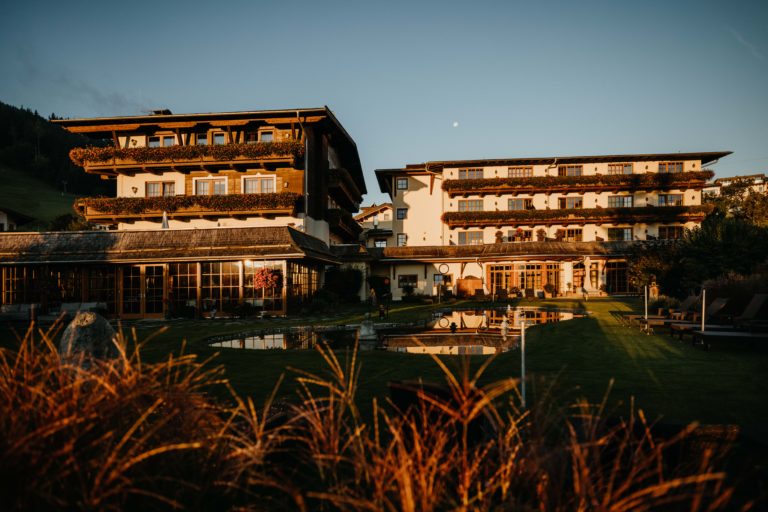
You know that a Panchakarma treatment deeply cleanses the body, but can’t quite picture what actually happens on a single day of the treatment? Here you’ll find the complete schedule at the European Ayurveda Resort Sonnhof, from arrival to departure, day by day.
Key Points at a Glance: Panchakarma Treatment at the Sonnhof
- A Panchakarma treatment at the Sonnhof lasts between 7 and 28 nights and is divided into three phases: preparation, detoxification, and recovery.
- Day 1 is dedicated to diagnosis. Your medical history, pulse, eye, and tongue examinations, along with your body analysis, will determine the treatment plan for all the following days.
- Starting on Day 2, therapies and massages begin. The Virechana cleansing day usually takes place in the second half of the week.
- The recovery phase following the detox is an integral part of the treatment and plays a key role in determining how long the effects last.
- Every day, guests can choose from three to five yoga and meditation sessions, along with full-board Ayurvedic meals made with ingredients from the family-owned Lindhof farm.
- No two days are alike. The plan is constantly adjusted based on your responses.
Read more on this topic:
- You can find all treatment options, services, and prices on the " Panchakarma Treatment at the Sonnhof" page. Here you'll find the current price list.
- The section on preparing for the treatment explains how to get in the right mindset one to two weeks in advance
- Pulse diagnosis explains what our Ayurveda team can tell from your pulse
- The article on Abhyanga massage explains the effects and procedure of this key spa treatment
- To find out what your constitution means for the treatment, see Vata, Pitta, Kapha
- The Treatment Finder guides you through six questions to help you find the right treatment
What is the Panchakarma treatment like at the Sonnhof?
In Sanskrit, Panchakarma means “five actions” and describes a medically structured cleansing regimen that goes far beyond a typical wellness treatment. At the Sonnhof, every treatment program follows the same three-part structure, regardless of whether you stay for seven or 28 nights. The length of your stay determines how much time is allocated to each of the three phases.
| Phase | What Happens | A typical situation during the course of treatment |
| Preparation (Purvakarma) | Snehana (internal oil treatment with ghee and external massage), heat therapies, and a light, easily digestible diet. Ama—metabolic waste products—is released from the tissues. | Day 1 through about Day 4 |
| Detoxification (Pradhanakarma) | Virechana, a day of cleansing with a herbal laxative drink. If needed, this is supplemented by Nasya, a cleansing treatment for the forehead, sinuses, and head area. | usually the second half of the week |
| Structure (Paschatkarma) | Nourishing treatments, herbs, gradual reintroduction of food. Tissues and the immune system are strengthened. | The last few days of school and the weeks at home |
Ama is the Ayurvedic term for undigested residues that accumulate in the tissues and, according to Ayurvedic teachings, are the root cause of many ailments. Agni refers to the digestive fire—that is, your body’s ability to process food and sensory impressions. Both terms will come up repeatedly during your treatment in conversations with the Ayurvedic team.
Day 1: Arrival, Medical History, and Pulse Diagnosis
The first day is a check-in day, and generally no treatments are scheduled. However, if you wish, a treatment or consultation can be scheduled. Your room will be ready starting at 2:00 p.m.; if you arrive earlier, the front desk will store your luggage, and you can have lunch at the facility (until 1:30 p.m.).
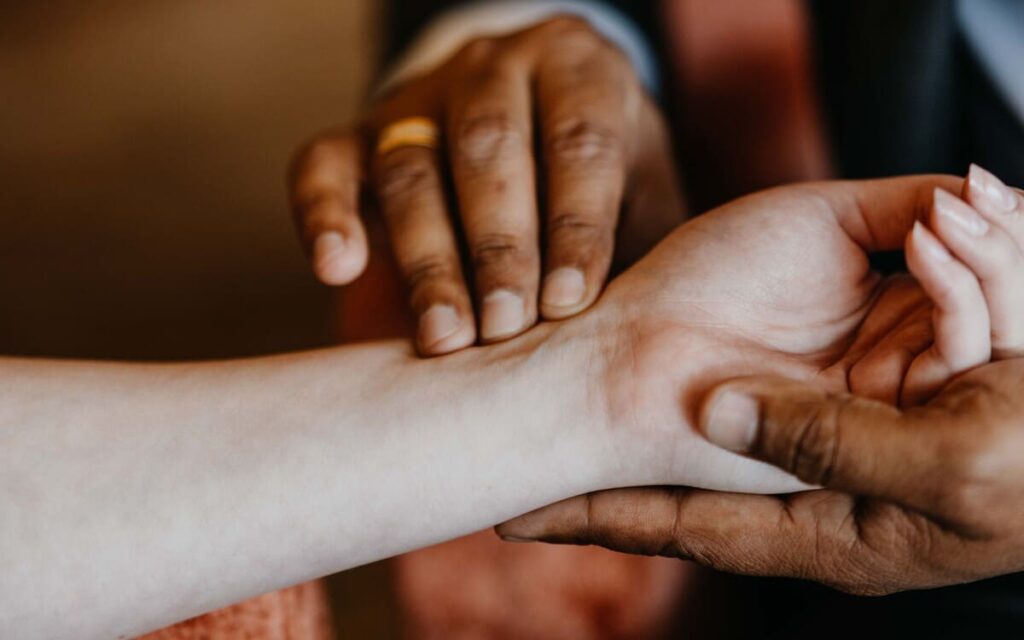
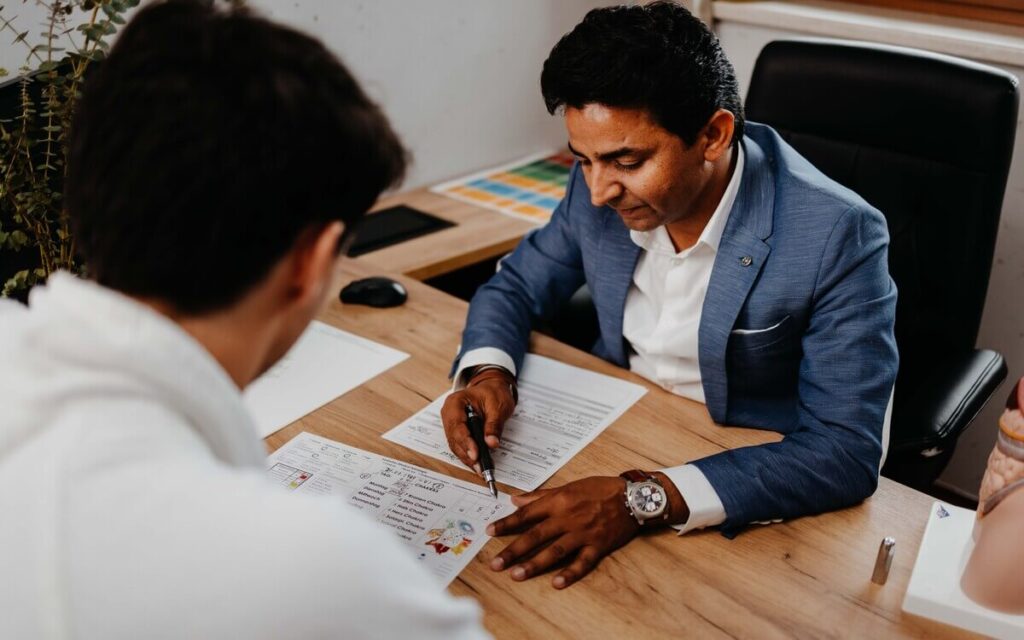
On the day you arrive, you'll meet with the Ayurveda team for your first consultation. This includes a detailed medical history, pulse diagnosis, tongue diagnosis, and body analysis.
What exactly happens during pulse diagnosis?
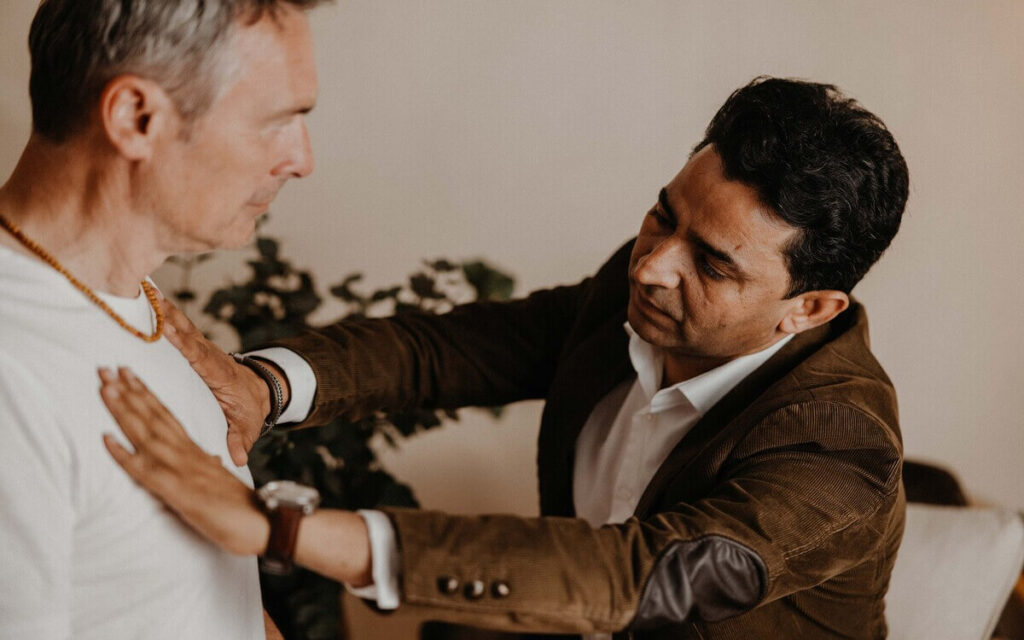
During a pulse diagnosis, our Ayurvedic doctor (Dr. Gaurav Sharam, Rajat Vashisht, or Deepa Naik) feels your pulse using varying degrees of pressure, thereby identifying several levels of the pulse. From this, they determine which dosha is out of balance and which organ system needs support.
The examination is supplemented by a discussion about nutrition, digestion, sleep, and your current life situation. At the end, you’ll receive your personalized treatment plan with the recommended treatments for the coming days.
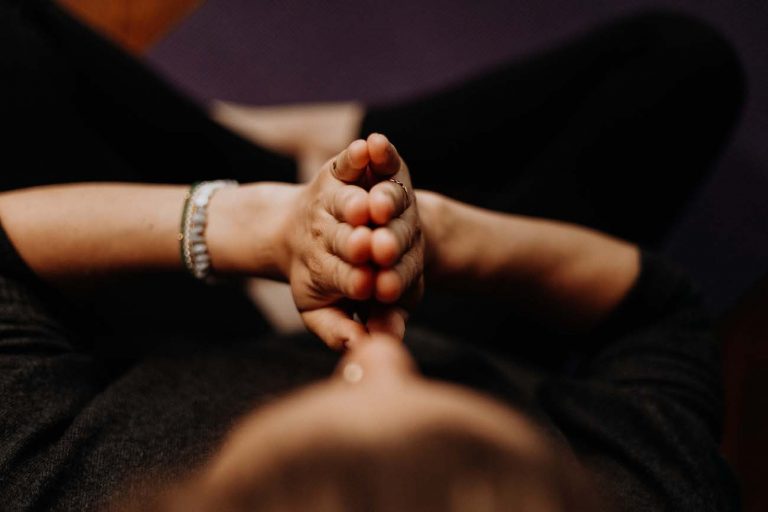
The evening is yours to enjoy. Many guests use this time for their first yoga or meditation session and to enjoy the three-course dinner, where you can choose between a vegetarian or vegan main course.
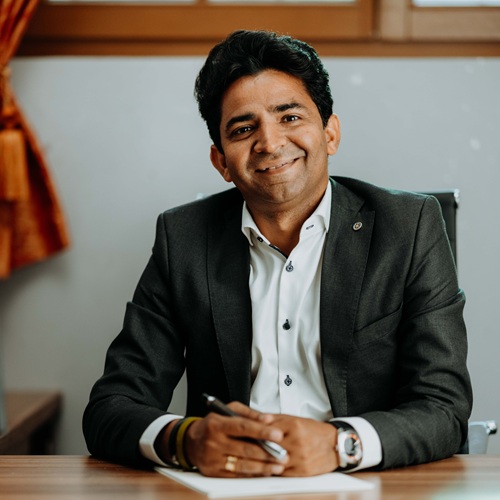
“Most guests arrive with a lot on their minds. That’s why we don’t begin treatment on the first day. We listen, check their pulse, and let their bodies settle in first.”
Dr. ind. Gaurav Sharma, Ayurveda specialist at the European Ayurveda Resort Sonnhof in Tyrol
Day 2: Snehana, the anointing from the inside and out
The second day is your first actual day of treatment. It begins with Snehana, the Ayurvedic oil therapy.
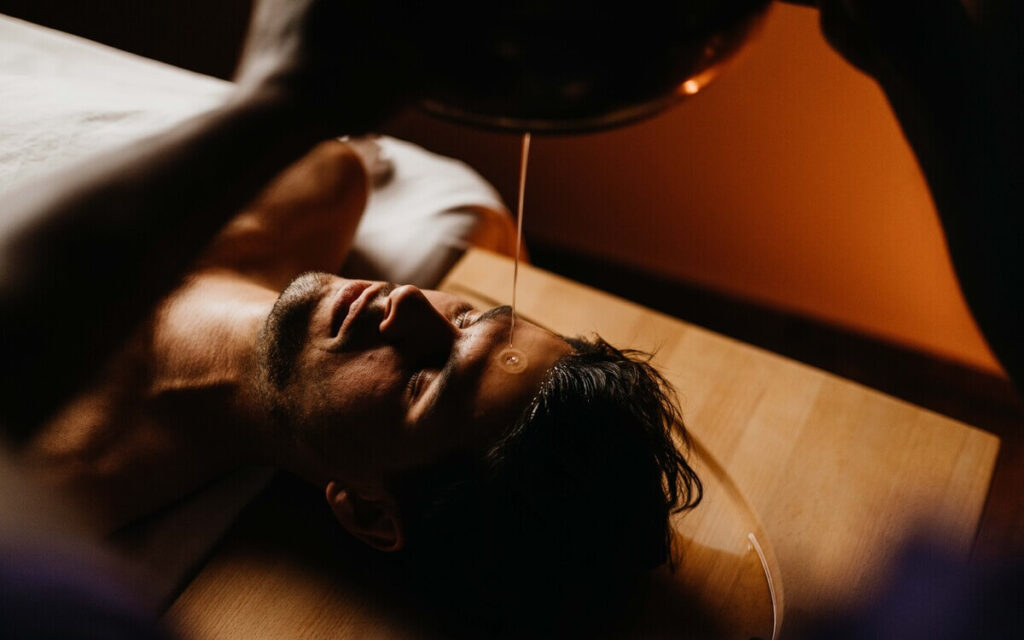
Internally, you consume a measured amount of ghee—clarified butter—in the morning on an empty stomach. The ghee enters the tissues via the metabolic process and mobilizes metabolic waste products bound there.
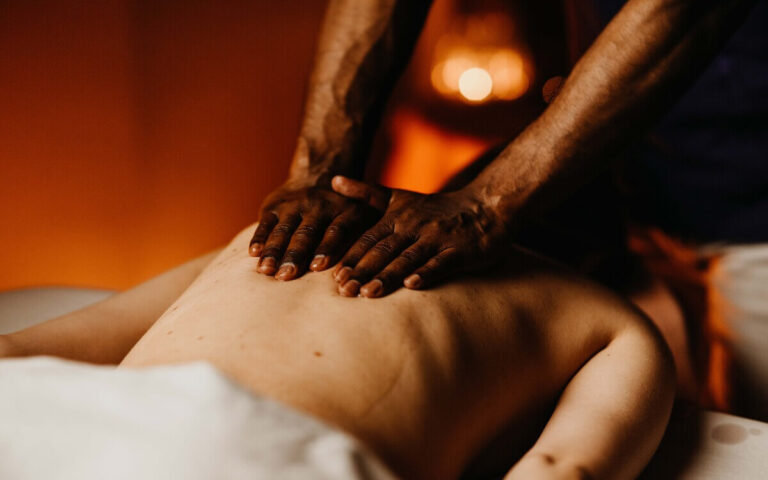
Externally, the program begins with Abhyanga, a full-body oil massage, which at Sonnhof is often performed simultaneously by two therapists. The oil massage serves as preparation for everything that follows in the coming days, as only loosened toxins can be eliminated later. Of course , yoga, meditation, and lectures, as well as relaxing walks in our beautiful natural surroundings , are also an essential part of the experience.
In addition, there’s the Ayurvedic diet. At lunchtime, guests are served a three-course meal. In the evening, there’s rice soup and/or a main course. You’ll need to avoid alcohol, coffee, raw foods, and sugar during the treatment.
Days 3 and 4: Heat, herbal poultices, and the first reactions
The program is getting more intense these days. The oil massages are followed by heat treatments such as Swedana, an Ayurvedic steam bath that opens the pores and transports the loosened impurities toward the digestive tract.
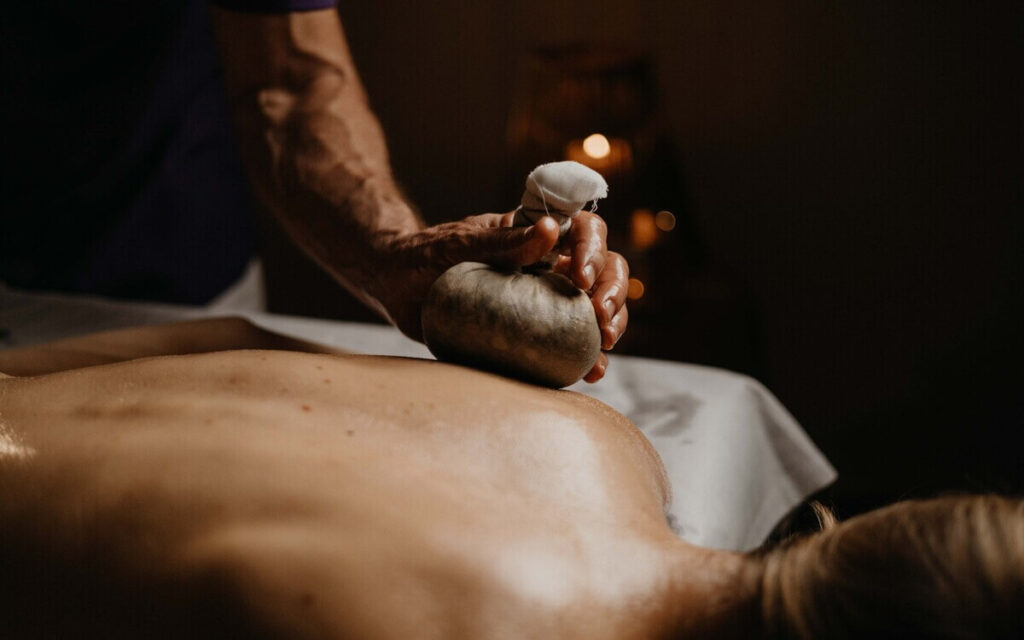
Depending on your treatment plan, you’ll now receive Udvartana, a massage with herbal powder, and Jambira Pinda Sveda with warm lemon-herb poultices. Between treatments, you’ll rest, drink hot ginger water, and go for a walk. Note: Shirodhara, the well-known forehead oil treatment, is performed at the end of your treatment program.
Why do you sometimes feel worse on Day 3?
Fatigue, a sensation of pressure in the head, or mild irritability around the third day of the treatment are normal side effects, because the metabolism is mobilizing toxins that have not yet been eliminated. In Ayurvedic teachings, this is considered a sign that the treatment is working.
That’s exactly what therapeutic support is for. Your Ayurveda team checks in with you daily about your sleep, digestion, and mood, and adjusts your treatments if your body needs more rest.
Day 5: Virechana, the Day of Purification
Virechana is the centerpiece of the treatment program and the only day on which you will not receive a massage. In the morning, you will drink a herbal laxative, after which you should stay in your room and remain near the bathroom.
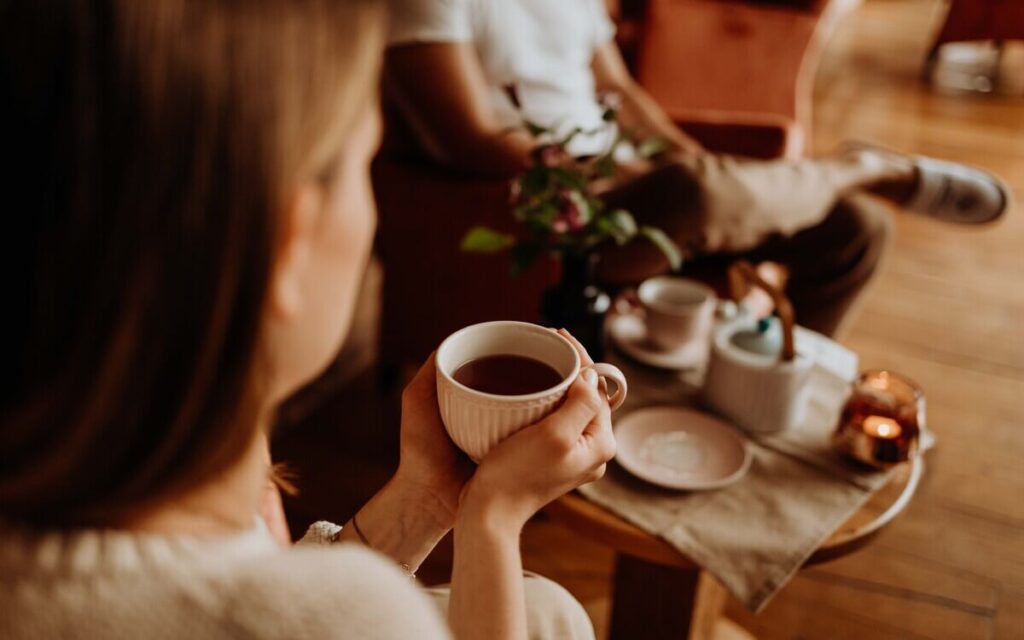
You’ll have several bowel movements throughout the day. You’ll drink warm water, eat nothing or just a light rice soup, and stay in constant contact with the Ayurveda team, who will document the number of bowel movements.
From a scientific perspective, how does Virechana work?
Virechana targets the small intestine and the liver—the organs where fat-soluble metabolic byproducts are bound. A 2015 experimental study published in the *Journal of Evidence-Based Complementary & Alternative Medicine* showed that in rats with fructose-induced metabolic syndrome, Virechana resulted in a 46.4 percent reduction in fecal fat content and significantly lower blood sugar levels. Since this is an animal study, the results cannot be directly applied to humans.
By evening, many guests feel empty, light, and pleasantly clear-headed. Sleep that night is often the deepest of the entire treatment.
Days 6 and 7: The build-up phase begins
After the cleanse, your digestive system is sensitive, and your digestive fire is running on low. That’s why you should ease back into eating slowly—starting with kitchari, a gently cooked dish made of rice and mung beans, then moving on to soups and steamed vegetables.
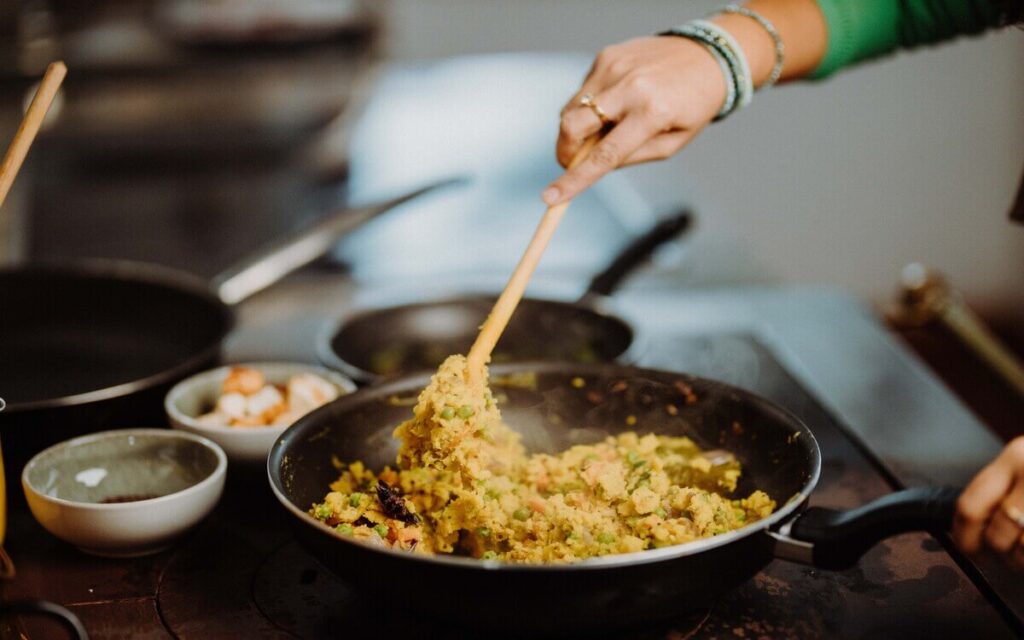
The treatments now take on a different character and become nourishing. Oil pours, Basti treatments with herbal oils, Marma massages, and foot massages help rebuild the tissues and soothe the nervous system. Mental detox, emotional release, and one-on-one sessions guide you through the day.
The recovery phase plays a key role in determining how long the effects of your treatment will last, and it doesn't end when you leave. You'll receive herbs and dietary recommendations to take home with you, which will extend this phase by several weeks.
A controlled study involving 119 participants, published in *Scientific Reports*, shows that measurable changes occur during this period. After six days of a panchakarma-based program, the plasma metabolite profile of the intervention group had changed significantly, with a statistically significant decrease observed in twelve phosphatidylcholines.
Starting on Day 8: How does a longer Panchakarma treatment continue?
For a treatment program of 14 nights or more, the cycle of oil application, heat, and rest repeats itself on a deeper level. Instead of a single detoxification session, your treatment plan may include a second cleansing phase.
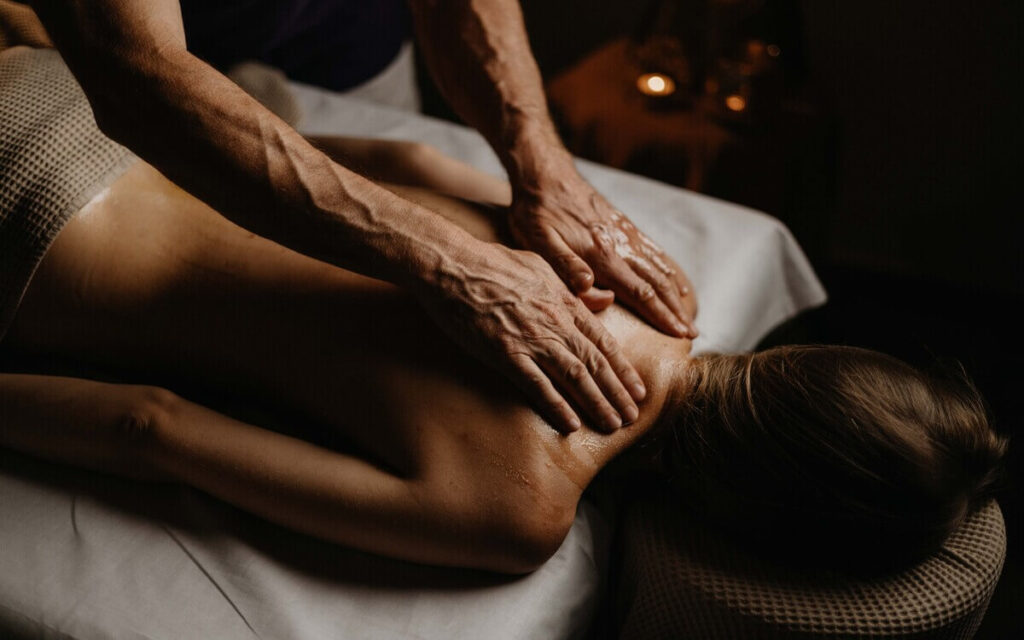
Traditional complementary treatments are also typically incorporated only into longer treatment courses. These include Nasya—the cleansing of the forehead, sinuses, and head area through the nose—and Basti, which is performed as a series of treatments over several days.
As the length of your stay increases, so does the proportion of coaching, yoga, and meditation. If you stay for 21 or 28 nights, you’ll have time to incorporate Ayurvedic nutrition and a morning routine into your life in a way that you can maintain at home.
What does a typical day in Kurt look like, from morning to night?
There is more time between treatments than most guests expect. The following daily schedule is a typical outline that may vary depending on the treatment plan and weekly program.
| Time of day | What's on the agenda |
| Early Morning | Tongue cleaning, warm water, a energizing yoga or meditation session |
| Morning | Ayurvedic breakfast buffet, followed by the main treatment of the day—usually an oil massage with heat therapy—and then a rest period |
| Noon | A three-course lunch. The main meal is intentionally served at noon, when the digestive fire is at its strongest |
| Afternoon | Walk or mindfulness hike, Vata snack with tea ceremony, second treatment or consultation |
| Evening | A peaceful yoga or meditation session, a lecture, or a Sacred Circle; dinner for spa guests featuring soup and/or an Ayurvedic main course; early bedtime |
Every day, there are at least three to five yoga and meditation sessions to choose from, ranging from detox yoga to breathwork and Kundalini yoga. You can pick up the current weekly schedule at the front desk when you arrive.
The spa, which features saunas, infrared cabins, and a pool, is open to you. During the detoxification phase, we advise against swimming because your body needs warmth during this time.
The Day of Departure: Final Consultation and Plan for Home
On the last day, you’ll have your final consultation. Your Ayurvedic doctor will check your pulse again, discuss with you what has changed, and provide recommendations regarding diet, daily routine, and herbs.
Check-out is at 11 a.m. Plan your return trip so that the day remains relaxed, as your body is more open and sensitive than usual after a spa treatment.
The first two to three weeks at home are still part of the recovery process. Light, warm meals, going to bed early, and limiting alcohol consumption noticeably prolong the recovery phase.
Differences Based on Course Duration and Areas of Focus
During an actual Panchakarma stay, not every day is the same. A 14-day treatment program is different from a 21- or 28-day program, and we adjust our focus depending on your specific symptoms. The goal remains to ensure that your body receives exactly as much cleansing as it can handle within the available time, and that it has sufficient time to recover afterward.
| Type of treatment | Treatment Days | Applications | Consultations |
| Panchakarma “Light” | 6 | 12 | 3 |
| Panchakarma “The Classic” | 9 | 18 | 3 |
| Longer versions (De Luxe, Superior, Supreme) | Stays of up to 28 nights | more comprehensive, with a second cleaning phase | several |
What changes at 14, 21, or 28 days?
The longer the treatment, the more thorough the cleansing and the longer the recovery phase takes place at the facility rather than at home. For a seven-night stay, the focus is on preparation and detoxification; for stays of 14 nights or more, additional procedures and a second cleansing phase may be considered.
Shorter treatment programs are suitable as an initial step and for people who cannot take an extended leave from work. Experience has shown that those with chronic conditions benefit more from stays of 14 nights or longer.
What areas of concentration are available?
Your treatment plan is tailored to the reason for your stay. For fatigue and sleep problems, calming treatments such as Shirodhara and Marma massages are the main focus; for digestive and metabolic issues, the emphasis is on detoxification and dietary adjustments.
For joint and back pain, we focus more on herbal compresses, Basti treatments, and heat. Those who wish to address emotional issues can combine the treatment with Mind Detox coaching or breathwork.

“Two guests can arrive on the same day, book the same program, and still have completely different weeks. We tailor the plan to the person sitting in front of us.”
Elisabeth Naschberger-Mauracher, European Ayurveda® Expert & Managing Director of the European Ayurveda Resort Sonnhof in Tyrol
Medical supervision during your Panchakarma treatment at the Sonnhof
Medical care is included in the retreat price and begins on the day of arrival with a medical history review and pulse diagnosis. It concludes with a final consultation on the last day. In between, the Ayurveda team is available to answer any questions you may have and make adjustments to your treatment plan.
Who is providing you with medical care?
Dr. ind. Gaurav Sharma is in charge of Ayurvedic medicine at the Sonnhof; he has been with the facility since the Ayurveda program was established. The team also includes Ayurveda specialists Deepa Naik and Rajat Vashisht.
All three conduct consultations and pulse diagnoses and develop individualized treatment plans. The entire team of experts introduces itself on our website with photos and biographies.
Is there also conventional medical care available?
Yes. With Dr. Alaettin Sinop, a board-certified physician in general medicine who specializes in naturopathic treatments, the Sonnhof has a doctor trained in conventional medicine on staff. His qualifications include acupuncture, Ayurvedic medicine and herbal therapy, manual medicine, neural therapy, and neurocybernetic techniques.
His specialty is the Ayurveda PLUS treatment program, which combines conventional medicine, Far Eastern medicine, and complementary medicine. If you have any pre-existing conditions or are taking medication, this is the right program for you. For your information: You can schedule an appointment with Dr. Sinop at any time, and for 14-day treatment stays, he also provides acupuncture. He is usually on site on Tuesdays (please check with the front desk).
What does medical care include?
Included are the initial consultation with pulse diagnosis, the personalized treatment plan, therapeutic support throughout your stay, the final consultation, and the herbs for the duration of your stay. Nutrition and lifestyle coaching are also included. A consultation and a final meeting are included as standard.
Short consultations are available as needed but are not automatically included in the treatment program. The longer the treatment stay, the more consultations are included. The number of consultations therefore depends on the treatment program booked.
In case of acute symptoms, the front desk will put you in touch with doctors in Kufstein, which is about a 20-minute drive from our location in the Thierseetal.
FAQ: Frequently Asked Questions About the Panchakarma Treatment Process
What happens during a Panchakarma treatment?
A Panchakarma treatment consists of three phases. First, the body is prepared for cleansing through the intake of ghee, oil massages, and heat; then, the loosened waste products are eliminated through a day of purgation (Virechana); and finally, the tissues are restored through nourishing treatments and a light diet.
How many treatments will I receive per day?
On a regular treatment day, you’ll typically receive one or two treatments, usually in the morning. On the Virechana cleansing day, you’ll receive an abdominal massage.
How long does a Panchakarma treatment last?
At the Sonnhof, a Panchakarma treatment lasts between 7 and 28 nights. Seven nights is the minimum required for a complete cleansing and detoxification; for treatments of 14 nights or more, the treatment goes deeper, and the recovery phase takes place at the hotel.
What should I eat during the treatment?
You’ll be served a light, warming Tridosha diet consisting of kitchari, soups, grain dishes, and herbal teas—mostly organic and made with ingredients from the family-owned Lindhof farm. Alcohol, coffee, raw foods, and sugar are not allowed during the retreat, and fish is not included (except in cases of acute protein deficiency).
Do you feel unwell during a Panchakarma treatment?
Around the third day of the treatment and on the final day, you may experience fatigue, pressure in the head, or fluctuations in blood pressure. These reactions are temporary, and the Ayurveda team will monitor you and adjust your treatments as needed.
Can I work during the treatment?
We do not recommend it. The daily routine of treatments, rest periods, and meals leaves little time for uninterrupted work sessions, and the effectiveness of the treatment depends on the nervous system actually winding down. Wi-Fi is available only in public areas, not in the rooms.
How do I prepare for the treatment?
One to two weeks before the program begins, gradually cut back on coffee, sugar, alcohol, and red meat; drink 1.5 to 2 liters of warm water or herbal tea daily; and eat warm, cooked meals, with the main meal at lunchtime. The complete program preparation guide, including a packing list and evening ritual, is available on our website.
Is the Panchakarma treatment at the Sonnhof medically supervised?
Yes. Every Panchakarma treatment program begins with a consultation and pulse diagnosis by the Ayurveda team led by Dr. ind. Gaurav Sharma and concludes with a final consultation. For questions regarding conventional medicine, Dr. Alaettin Sinop is available; he is a board-certified physician in general medicine with a focus on naturopathic treatments.
At what age can guests begin a wellness stay at the Sonnhof?
The Sonnhof is an adults-only property; guests must be at least 16 years old to stay there.
Sources
- Vinjamury SP, Vinjamury M, Sucharitakul S, Ziegler I: Panchakarma. Ayurvedic Detoxification and Allied Therapies: Is There Any Evidence? Springer-Verlag Berlin Heidelberg, 2012. https://link.springer.com/chapter/10.1007/978-3-642-24565-7_7
- Chaturvedi A, Rao PN, Kumar MA, Ravishankar B, Rao N, Ravi M: Effect and Mechanism of Virechana Karma (Therapeutic Purgation) on Fructose-Induced Metabolic Syndrome. Journal of Evidence-Based Complementary & Alternative Medicine, 2015. https://journals.sagepub.com/doi/full/10.1177/2156587215596283
- Peterson CT et al.: Identification of Altered Metabolomic Profiles Following a Panchakarma-Based Ayurvedic Intervention in Healthy Subjects. Scientific Reports, 2016. https://www.nature.com/articles/srep32609