Constipation, bloating, or irregularities in bowel movements are bothersome problems in everyday life. An unpleasant feeling of fullness after every meal can also be an indication of digestive issues. What is good for digestion and how Ayurveda can improve your digestion can be found here.
The Essentials in Brief: What Promotes Digestion
A healthy intestinal flora is important for well-being and energy in everyday life. With enough time to eat, sufficient fluids, and a few home remedies, you can already achieve good results. You will find out which other Ayurvedic tips there are in this article.
Stimulating Digestion with Ayurveda: 5 Powerful Tips
The Ayurvedic health teachings can help you with digestive complaints through natural healing approaches. The holistic concept of Ayurveda views you as an individual and aims to find the cause of your complaints.
To do this, you should first determine your Dosha type, which you can easily do in a short self-test or by seeking advice from an Ayurveda expert. Every person is unique and requires different treatment approaches according to their needs.

According to Ayurveda, constipation or digestive problems occur due to a weakened digestive fire (Agni). Causes are often an unhealthy diet, little exercise, or a lot of stress.
An unhealthy lifestyle leads to the formation of metabolic waste (Ama), residues of the metabolism that your body can only eliminate with difficulty. Signs include white coating on the tongue, a feeling of heaviness, and listlessness.

“In Ayurveda, good digestion is the foundation for energy, lightness, and well-being. If it is specifically strengthened, the entire organism can benefit.”
Rajat Vashisht, Ayurveda Specialist at the European Ayurveda Resort Sonnhof in Tyrol
In the long term, this creates an imbalance of the Doshas, which in turn negatively affects your well-being. The following 5 tips show you how to stimulate your digestion with Ayurveda and make your bowel movements softer!
Tip #1: Stimulate Bowel Movements with Routine
In fact, your gut likes fixed routines, which helps you enormously in establishing a healthy intestinal flora. Start with a consistent morning routine, which can begin, for example, with a lukewarm glass of water with lemon.
A self-massage with oil is also part of the Ayurvedic morning routine. You can also gently massage your abdomen to get it moving. Regular meals also ensure a steady supply of nutrients.
Your digestion will quickly adapt to your routine, and healthy microorganisms can establish themselves permanently. This also has a positive effect on your immune system and your mood.
Tip #2: Improve Digestion through Conscious Relaxation
Only with sufficient rest can your Vata come into balance. It is located in your large intestine and can lead to constipation if disturbed. With the right stress management, meditation, and breathing exercises, you can consciously help your body and mind achieve more relaxation.

Tip #3: Promote Digestion with Ayurvedic Medicinal Herbs
What stimulates digestion? There are several Ayurvedic medicinal herbs that help with constipation. Anise, cardamom, peppermint, fennel, and nettle ensure a good gut feeling. The versatile herbal blend Triphala also promotes the detoxification of your body and can thus bring your gut back into balance.
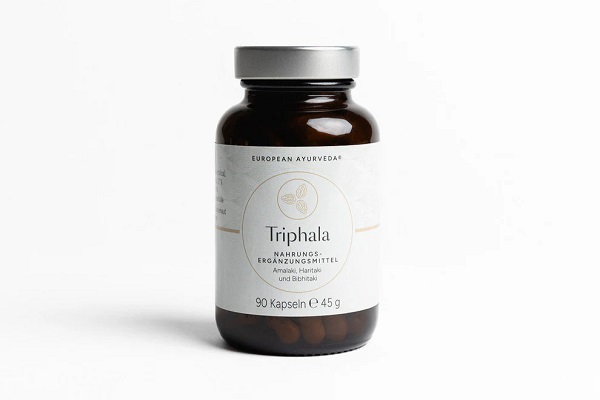
Discover Triphala in our online shop now
Triphala has proven itself as an Ayurvedic dietary supplement for centuries. It brings the Doshas into balance and promotes a good gut feeling.
Tip #4: Dosha-Appropriate Nutrition
To prevent problems with digestion and bowel movements, a Dosha-appropriate, Ayurvedic diet is recommended. It is precisely tailored to your constitution and ensures a harmonious balance in your body.

An important part of your diet should be fresh dishes made from local ingredients. Fiber-rich leafy vegetables and various fruits additionally stimulate your intestinal activity. Psyllium and flaxseeds also alleviate your complaints.
Tip #5: Ayurveda Cure for Holistic Detoxification
An Ayurveda cure is suitable for holistic detoxification and cleansing of your body. The treatment can consist of soothing massages, detox, colon cleansing, and the adjustment of your diet. This ensures that the cause of your complaints is eliminated in the long term.
Causes of Digestive Complaints: Anatomy and Function of the Gut
Human digestion basically begins in the mouth when chewing: the tongue, teeth, and roof of the mouth are responsible for breaking down the food consumed. Enzymes in the saliva split the starch into shorter molecules. Swallowing the food bolus transports it through the esophagus into the stomach.

In the stomach, hydrochloric acid and enzymes ensure processing for up to nine hours before the food bolus moves on to the intestines. This essentially consists of the small intestine and the large intestine.
The small intestine is responsible for the absorption of nutrients such as vitamins, minerals, proteins, and fats. It is supported by digestive juices from the pancreas and bile.
In the large intestine, water is first extracted from the food bolus to form a firm stool. This is finally transported away.
Your large intestine also contains the so-called microbiome – billions of gut bacteria that help with digestion. Their tasks include protecting against germs and strengthening your immune system.
Problems with the gut can quickly have a negative effect on the entire body and well-being. Possible signs of irregularities are constipation, abdominal pain, or mild diarrhea.
What Promotes Digestion: Home Remedies That Really Help
A common symptom of a disturbed digestive tract is the feeling of fullness after eating. To effectively do something about it, it is first important to find out the causes. A main reason: we often eat too fast.

According to human biology, food is intended to remain in the stomach for a certain period. If too much is eaten in a short time, the food bolus cannot be transported further immediately. This leads to an unpleasant sluggishness and fatigue.
In addition to eating speed, the composition of your food also plays an important role. Especially heavy dishes quickly cause sluggish digestion, which can be due to too much fat or protein in your meal. Protein in particular remains in your stomach for a long time compared to carbohydrates.
Therefore, take a sufficient break to eat and ensure a balanced composition of fats, proteins, and carbohydrates. This way, the food can be optimally processed and it won’t sit like a stone in your stomach.
Promoting Bowel Movements: Why Fiber Is So Important
What promotes bowel movements and stimulates the gut? Fiber is the trick against a feeling of fullness and should be included in every meal! It also prevents diseases based on your diet. These include colon cancer, coronary heart disease, or high blood pressure.

Regular consumption of fiber-rich foods such as vegetables, whole grain products, or legumes can stimulate the gut. Fiber binds water and increases the growth of the microbiome. This in turn promotes the urge for bowel movements.
You benefit from accelerated digestion as it improves your overall well-being. Another advantage of fiber-rich products is that you chew more, thereby eating slower and feeling full faster, which can help with weight loss.
A fiber-rich diet is therefore directly related to good bowel movements – but sufficient water intake is also important here!
Stimulating Intestinal Activity: How to Get Your Gut Moving
In addition to food intake, numerous other factors play a role when it comes to healthy digestion. Plenty of fluids – ideally without alcohol and sugar – are just as important and stimulate intestinal activity.

Also exercise is a key factor and even a walk or a short yoga session is enough to stimulate your digestion. Avoid lying down immediately after eating.
Additionally, there are certain spices and herbs that have a digestive effect. Particularly helpful are:
- Anise
- Basil
- Cumin
- Fennel
- Ginger
- Caraway
- Turmeric
- Garlic (in moderation)
- Chamomile
- Mustard
The bitter substances in green leafy vegetables can also help stimulate your intestinal activity. Foods that ensure a good intestinal flora are whole grain bread, lentils, or fermented dishes such as kimchi or yogurt with lactic acid bacteria.
By the way: The famous digestive schnapps after a meal is a myth, as alcohol actually tends to inhibit digestion and can worsen your complaints.
For a good gut feeling, you should also avoid long periods of rest after eating, gas-producing and sugar-rich foods, as well as too much white flour, onions, and garlic.
Can Laxative Foods Really Help?
Yes! Foods with laxative properties are usually rich in fiber. It is important to drink enough so that they can swell in the gut. Classic examples are:
- Psyllium seeds
- Flaxseeds
- Lactose
- Prunes
Also coffee can have a positive effect on your digestion. The caffeine it contains stimulates the central nervous system, which in turn stimulates digestion. Additionally, the bitter substances in coffee promote blood circulation and intestinal movement.

Ayurveda Colon Cleansing and Detoxification
With the help of a colon cleansing, you can completely eliminate harmful bacteria and alleviate complaints. You can find out how an Ayurvedic colon cleansing works and how you can also perform it at home here.