Tinnitus, with its bothersome symptoms, indicates a dysregulation or illness in the ears. Ringing or whistling ear noises make daily life difficult for those affected. You will learn about the causes and symptoms, as well as the role that Ayurveda plays in tinnitus, in this article.
The Essentials: Treating Tinnitus with Ayurveda
The Ayurvedic treatment approach for tinnitus delves deep into your body and aims for long-term relief of symptoms. In Ayurveda, Ayurvedic massages, a Dosha-appropriate diet, and more daily tranquility are all beneficial.
Tinnitus: Causes and Symptoms
Although the causes of tinnitus are diverse and can have various triggers, most affected individuals show similar symptoms. It is important to act quickly if you suspect tinnitus.

“With tinnitus, it is crucial not only to look at the symptom but to calm the entire nervous system. Ayurveda addresses precisely this to promote inner balance and relief.”
Dr. Alaettin Sinop, Specialist in General Medicine with a focus on naturopathic treatments
Causes of Tinnitus: Ayurvedic Approach
Despite its numerous causes, tinnitus often occurs in combination with hearing loss. In such cases, the ear transmits too few sounds to the central auditory system. The brain then attempts to compensate for this missing information.
It then amplifies nerve cell noises that are normally suppressed or not perceived. Tinnitus is therefore primarily an expression of dysregulation.
Other factors such as stress, overwork, and psychological problems like depression and anxiety can further intensify ear noises. Especially in cases of acute symptoms, emotional stress is often the decisive trigger for tinnitus.

Due to the numerous factors that can cause tinnitus, a comprehensive examination is advisable. It is best to have your symptoms clarified if there are indications of tinnitus:
- Excessive earwax
- Eustachian tube dysfunction
- Middle ear diseases (e.g., otosclerosis)
- Inner ear diseases (e.g., age-related hearing loss)
- Sudden hearing loss
- Noise or blast trauma
- Auditory nerve diseases (e.g., acoustic neuroma or vestibular schwannoma)
- Tumors on the auditory nerve
- Problems in the dental/jaw area
- Injuries or changes to the cervical spine
To treat your symptoms with the Ayurvedic healing approach, the composition of your constitution is crucial. Based on the distribution of your Doshas and their (im)balance, you will receive an individualized treatment.

Determine your Ayurveda type with our Dosha Test
Determining the Doshas is a central aspect of Ayurvedic healing and life science. Take the Dosha test now and determine your Ayurveda type!
In Ayurveda, the ear and the sense of hearing are associated with the Vata Dosha. A Vata imbalance, along with a general imbalance of body and mind, can lead to tinnitus. An unhealthy lifestyle, nervous overload, and irregular eating habits promote ear noises.
Vata is characterized by the element of air, which means the mentioned factors can lead to tissue dehydration. This dryness can eventually affect the ear canals, where blockages can form. The ear noises can therefore be an indicator of a malfunction in your body.
Recognizing Tinnitus Symptoms
The most well-known symptom of tinnitus is a persistent sound in the ear. This can be a whistling, buzzing, hissing, or humming sound. One or both ears can be affected by the ear noises.
Some sufferers also complain of perceiving the sounds in their head. What do all patients have in common? Tinnitus can only be perceived by those affected. Nevertheless, it is a serious symptom.

The manifestation of the disturbing noises, as well as their loudness and intensity, vary depending on the patient. An extremely rare form of tinnitus is the so-called “objective tinnitus,” which is audible to outsiders. This requires a separate treatment.
Depending on the manifestation of tinnitus, two types are distinguished:
- Compensated tinnitus: no discomfort from the ear noises
- Decompensated tinnitus: extreme suffering, impaired quality of life
There are further gradations between these two forms. This classification is particularly important for the correct treatment approach.
Treating Tinnitus with Ayurveda
Where conventional medicine is at a loss, Ayurvedic teachings intervene with their holistic therapeutic concept. Instead of medication, this Indian science is based on alternative healing approaches. Much revolves around the balance of your Doshas.
A first step is Ayurvedic nutrition to balance the Vata imbalance in your body. A diet plan with Vata-reducing foods is crucial for long-term recovery.
In addition to proper nutrition, your lifestyle also plays an important role. Do you suffer from a lot of stress or are you constantly exposed to loud noises? These factors are also taken into account when treating your tinnitus.

Stress Management with Ayurveda: Definition and Methods
What exactly is stress and what can you do about it? Here you will find valuable tips and methods for effective stress management with Ayurveda.
Traditional Ayurvedic treatments and herbal oil massages ensure a profound cleansing of your body. This also helps your doshas return to balance and has a positive effect on your entire body.
By incorporating relaxation exercises into your daily routine, you also help your body to calm down. These include, for example, meditation, yoga, and breathing exercises, as well as active, conscious breaks.
5 Tips for Treating Tinnitus with Ayurveda
In addition to pills and conventional medicine, the alternative healing approaches of Ayurveda can offer reliable relief for tinnitus.
Tip #1: Ayurvedic Nutrition
A key pillar of the Ayurvedic lifestyle is Dosha-appropriate, Ayurvedic nutrition. This focuses on balancing your constitution and nourishing your body and mind healthily.
Since elevated Vata is considered a cause of tinnitus from an Ayurvedic perspective, a corresponding Vata-reducing diet is important. For this, you should, for example, avoid dry, cold, and uncooked foods. Instead, warm and moist dishes alleviate your symptoms.
Additionally, try to keep your consumption of alcohol, caffeine, and nicotine as low as possible.
Tip #2: Ayurvedic Cures and Massages
Ayurvedic cures and massages also contribute significantly to more relaxation and tranquility for your body. Various detoxification procedures help with the Ayurvedic detoxification of your body.
For the massages, healing oils and Ayurvedic herbs with special properties are used. Relax during a soothing massage and let your thoughts settle for a while. You will notice that you feel strengthened and refreshed afterward.
Especially for regulating Vata, Ayurvedic foot massages or head massages are a good option for self-massage. Simply massage your scalp and the soles of your feet with warm oils before going to sleep.
Tip #3: Vata-Reducing Herbal Preparations
In addition to a Dosha-appropriate diet, herbal preparations help in treating your tinnitus.
The well-known medicinal herb Ashwagandha is central to treating your symptoms. The stress-reducing effect of the herb reduces Vata and thus supports the alleviation of tinnitus symptoms.
Another important herb is Guduchi, which is said to balance all Doshas. It also helps in treating tinnitus and regulating Vata.
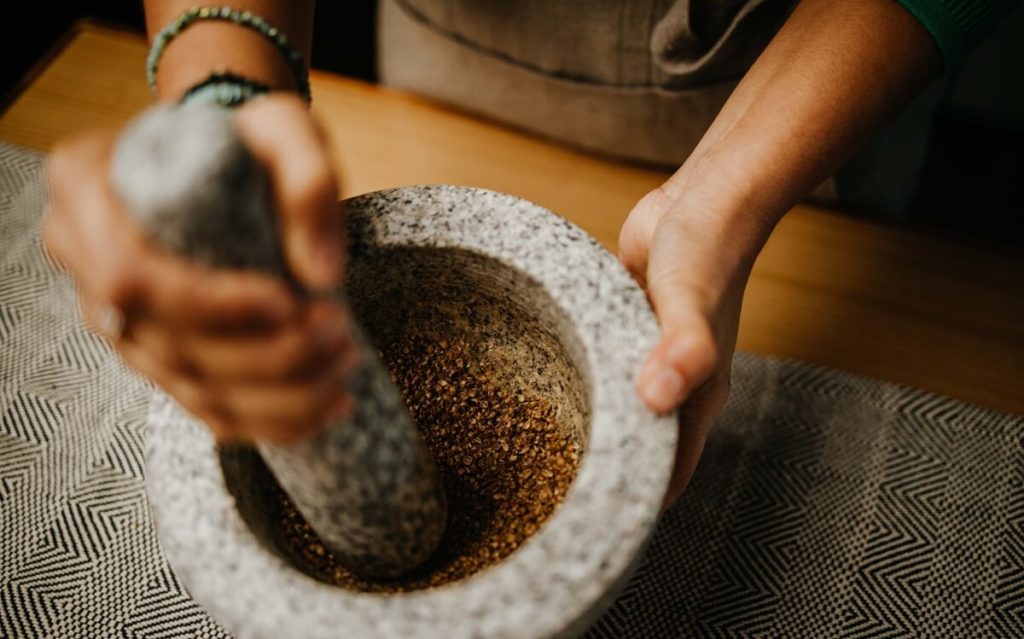
Processed as juice, grapes are supportive and strengthening for tinnitus. The bitter fenugreek seed tea is also a commonly known remedy for bothersome ear noises.

Discover fenugreek seeds in the European Ayurveda® Online Shop
Fenugreek seeds are an ideal spice for bean and cabbage dishes, but can also be brewed as a tea. They are known for their ability to cleanse the liver and gallbladder and stimulate fat metabolism.
Tip #4: More Mindfulness and Less Stress
To help your body achieve more calm and reduce stress, conscious mindfulness is required. Try to reduce your everyday stress as much as possible and build a positive mindset.

Meditation, breathing exercises, or yoga help with this. Try to integrate these exercises into your daily routine and make them a fixed ritual. Positive side effects also include improved sleep quality and calmer nerves.
Tip #5: Regular Gargling
Tinnitus in your ear is directly connected to the nasopharynx. You can reduce excess Vata by integrating the following practices into your daily routine:
- Kawala describes regular gargling with medicinal oils or salt water
- Gandusha refers to oil pulling with an oral care oil
With these two tips, you can find relief from persistent ear noises.

Ayurveda for Migraine: 5 Tips for Headaches
Migraines are usually characterized by unilateral, pulsating, or throbbing pain. You can learn how Ayurveda helps with migraines in this article.