last updated on 02/25/2026
Osteoarthritis is a slowly progressing wear and tear of joint cartilage and can affect any joint. Symptoms often only appear after years, when the degenerative change is already advanced. European Ayurveda® helps with osteoarthritis against the symptoms and supports recovery with natural treatment.
The Essentials in Brief: Treating Joint Pain with Ayurveda
In Ayurveda, osteoarthritis is considered a form of Vata disorder associated with dryness, stiffness, and progressive wear of the joints. The cause is an increased Vata dosha, which weakens the joint structures and promotes pain. Treatments aim to calm Vata and nourish the joints.
Read more about pain relief with Ayurveda:
- Ayurveda for Rheumatism: 5 Treatment Tips
- Ayurveda and Acupressure: Marma Massage and Its Effects
- Which Ayurveda Cure Is Right for Me?
- When Is a Panchakarma Cure Suitable?
Development and Causes of Osteoarthritis
Osteoarthritis is referred to when there is a breakdown of cartilage in a joint. As a result, bone eventually rubs against bone, creating inflammatory pain in your joint. The causes for the decrease in cartilage mass are diverse.
Healthy cartilage is surrounded by a protective, elastic layer that sits like a shock absorber between the bone ends. The cartilage is enclosed by the joint capsule, which produces this protective synovial fluid. Additionally, the capsule supplies the cartilage with nutrients.
Through regular loading and unloading, the synovial fluid is distributed evenly in the joint and penetrates the cartilage well. Through persistent heavy strain, the cartilage wears down and the bones rub against each other. This causes pain and a feeling of stiffness, which often only become noticeable after years.

In medicine, a distinction is made between primary and secondary osteoarthritis. In primary osteoarthritis, there is no clear trigger for the cartilage wear. Often, the diagnosis here can be traced back to age or lack of movement in combination with a misalignment of the feet or legs. A tilted pelvis or poor posture leads to one-sided strain and heavy wear.
Secondary osteoarthritis is usually influenced by an event, such as an injury or obesity. Furthermore, heavy physical strain or excessive sports can trigger osteoarthritis in the joints.
How Is Osteoarthritis Treated with European Ayurveda®?
The effects of osteoarthritis are considerable and range from stiffness and stress pain to permanent pain and inability to move. With the right lifestyle, you can prevent osteoarthritis and influence the course of the disease.
Osteoarthritis from an Ayurvedic Perspective
In European Ayurveda®, osteoarthritis belongs to the Vata diseases. Increased Vata arises from years of accumulation of Ama, meaning too many metabolic residues and toxins. No matter which joint is affected by the wear, a reduction of Vata is crucial for the relief of symptoms.
From the Ayurvedic perspective, the natural balance between strain and relief is disturbed.

“In osteoarthritis, it is crucial to reduce inflammation and specifically relieve the joints. Ayurveda can help to gently support mobility and quality of life.”
Dr. Alaettin Sinop, Specialist in General Medicine with a focus on Naturopathic Treatments
As a result, regeneration is not only made more difficult by a metabolic disorder, but may even be prevented. Vata has a drying quality that your joints suffer from. The goal of an Ayurveda cure is the reduction of Vata.
Ayurvedic Treatment of Osteoarthritis
There are different approaches to how Ayurveda helps with joint pain. A suitable treatment is prescribed, individually tailored to you and your body. In addition to external applications with oil and heat, the right Ayurvedic nutrition is an important point in the regeneration of your body.

Panchakarma Cure with Oil
In Ayurveda, osteoarthritis is primarily treated with oil massages as well as acupressure and Marma massages. The special oils reduce Vata and additionally nourish your tissue. Often, a Panchakarma cure is also performed.
The deep cleansing on all levels eliminates toxins from your body and helps with intestinal rehabilitation. Additionally, external applications with heat and steam are performed to reduce Vata.
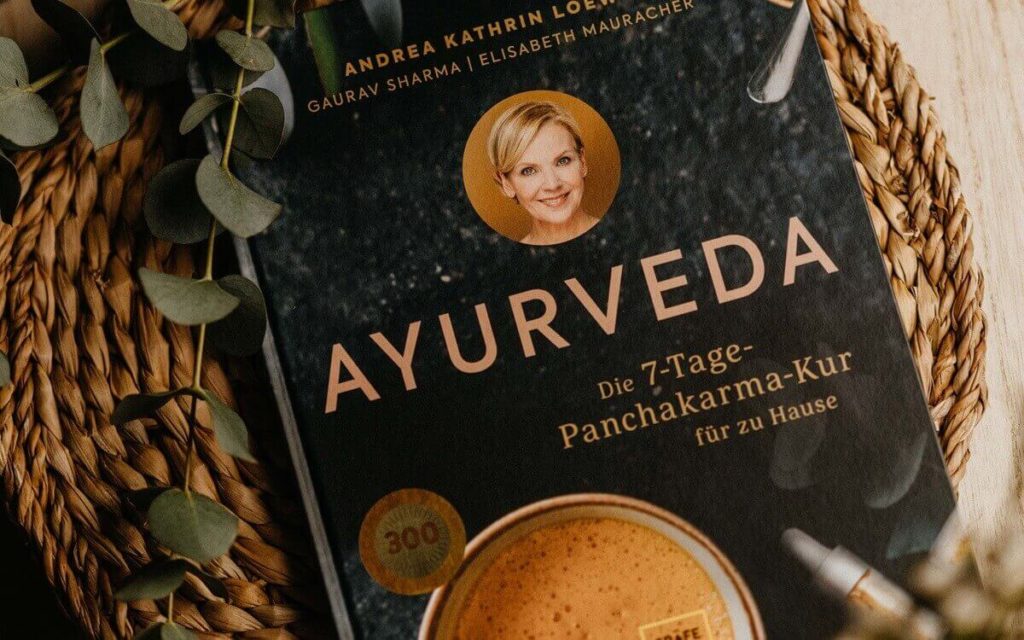
Discover the Panchakarma Cure for at home
In our book “Ayurveda: The 7-Day Panchakarma Cure for at Home,” our experts show you how you can gently detoxify in 7 days.
Ayurvedic Dietary Change: Proper Nutrition with Spices and Herbs
A dosha-appropriate change to your diet also plays a major role. For this, it is important to first determine your individual dosha type.
Foods that reduce Vata include oily, warm, sweet, and salty dishes, as well as warming spices, nuts, and seeds. It is best to drink beverages warm. Dates and figs are excellent as snacks.
When preparing your fresh meals, you are welcome to use Ghee, the clarified butter, as a fat. Butterfat is an important nutrient supplier and provides your body with plenty of vitamin A, strengthens your immune system and your liver. In addition, ghee contains anti-inflammatory fatty acids, such as linoleic acid and butyric acid.
Medicinal plants have an anti-inflammatory effect in Ayurveda and are often used for treatments. Ayurvedic spices for osteoarthritis can also support the relief of pain, such as:
- Cinnamon
- Ginger
- Star anise
- Cloves
- Cumin
- Coriander
- Nutmeg
- Turmeric

Other proven herbs for internal use in Ayurveda are Ashwagandha and Yogaraja guggulu. Consult your Ayurveda expert individually for the correct dosage. Compresses made from resins and herbs, known as Lepas, have an anti-inflammatory and pain-relieving effect on osteoarthritis.
Vata diseases are an indication that the digestive fire Agni is unstable or out of balance. Easily digestible foods help to restore balance here.
The following table provides an overview of a general dietary recommendation for increased Vata:
| Vata-reducing: What you should eat | Vata-increasing: What you should avoid |
| – warm – oily, fatty, moist – sweet – salty – regular meals – eating slowly – high-quality oils and fats – sweet fruit and other healthy sweets – warming spices – nuts and seeds – nettle seeds | – cold – dry – very spicy – bitter – astringent – irregular meals – fasting – leaf lettuce – legumes – highly flatulent foods |
Physiotherapeutic Treatment for Osteoarthritis
In addition to a change in diet and external applications with oils, the treatment of osteoarthritis is completed with an individual Yoga and exercise program. With guided physiotherapeutic exercises, one can not only prevent osteoarthritis but also relieve acute pain.
Important for a quick healing of your osteoarthritis is the avoidance of stress, physical and psychological overload, cold, and wind. Give your body the opportunity to recover and regenerate. This will help you return to a pain-free everyday life more quickly.
5 Tips: Ayurveda for Osteoarthritis in Everyday Life
With the following tips, you can easily integrate the Ayurvedic way of life into your everyday routine. This strengthens your body and simultaneously reduces the chance of developing osteoarthritis.

#1: Improve Lifestyle
The most important tip is to improve your lifestyle. This includes avoiding too many animal fats, sugary products, and white flour. You should also avoid unhealthy stimulants such as alcohol and cigarettes, as well as processed products and fast food. Instead, focus on a fresh and balanced diet with plenty of vitamins, salad, and fruit.
A conscious lifestyle also includes a positive mindset. In Ayurveda, confidence and optimism are considered “nourishment for the human soul.” A positive attitude toward life has a positive effect on your body and mind. It thus significantly influences the healing process.
#2: Conscious Movement and Rest Phases
Light movement and breathing exercises in your everyday life release tension, strengthen your flexibility, and reduce stiffness. Movement promotes blood circulation, which in turn promotes joint lubrication. Yoga and swimming sessions are particularly gentle, as they simultaneously protect and mobilize the joints.

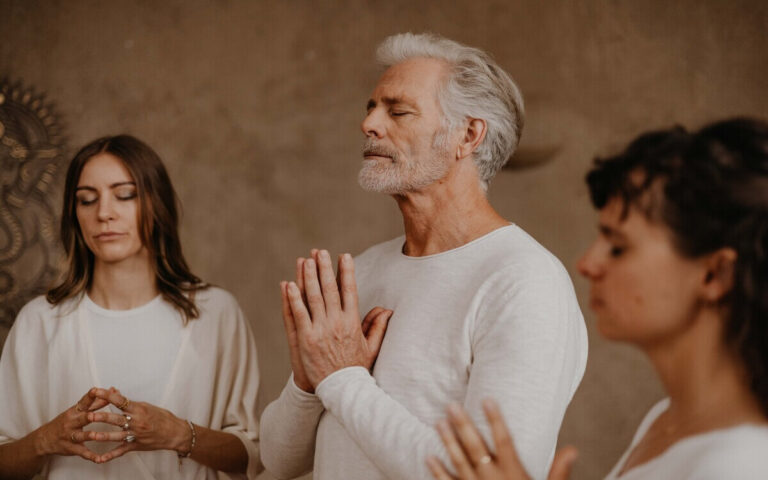
In addition to movement, conscious rest phases are important for you and your body. The avoidance of stress is a fundamental cornerstone in Ayurveda. Excessive (emotional) strain is often the trigger for inflammation and thus also for osteoarthritis. With regular meditation and breathing exercises, you consciously help your body achieve a positive mindset and more relaxation.
#3: Maintain a Healthy Body Weight
Especially with osteoarthritis, a healthy body weight is crucial to relieve your joints and prevent wear and tear. Weight reduction in osteoarthritis also has a pain-relieving effect on the patient. A conscious lifestyle helps prevent osteoarthritis. An Ayurveda diet can help you here.
#4: Drink Sufficiently
Plenty of fluids in the form of still water and unsweetened teas is an important rule of the Ayurvedic lifestyle. For osteoarthritis, alkaline teas such as green, ginger, and rooibos tea can have a pain-relieving effect.
Discover delicious Ayurveda teas now
Discover the cookbook “Es geht mir richtig gut mit Ayurveda” for at home now – with 60 simple and healthy recipes from the European Ayurveda Resort Sonnhof!
#5: Use Heat Against Symptoms
Make sure to consciously relax your body, for example with a herbal bath or in the sauna. Your muscles relax and the heat dilates the blood vessels. This reduces swelling and pain and stimulates joint lubrication.
Conclusion: Ayurveda for Osteoarthritis and Joint Pain
Osteoarthritis is triggered by an excess of Vata. In Ayurveda, external applications and the correct Ayurvedic nutrition are combined to treat osteoarthritis. Gentle and warm oil massages can relieve pain. A Panchakarma cure can also help to remove metabolic waste and reduce Vata.
With Ayurvedic herbs and spices, you can relieve pain and get your metabolism going. Vata-reducing foods also help in the long term to reduce joint pain. Ultimately, however, the focus should be on improving your overall lifestyle.
Regular exercise, conscious rest breaks, less stress, sufficient fluid intake, and heat help sustainably against osteoarthritis and can also have a preventive effect.

Ojas in Ayurveda: Strengthen Your Cells and Ensure Healthy Longevity
In Ayurveda, Ojas is the term for the life energy that influences our vitality, health, and strength. It is therefore essential for healthy living and aging. You can build up Ojas through healthy routines – we show you how in this post.