Since the very beginning of Ayurvedic teachings, specific herbs and plants have been attributed healing properties. They are used to treat illnesses and strengthen your health. Discover the effects and areas of application for the 10 most important medicinal plants in Ayurveda here.
Overview: 10 Ayurvedic Herbs You Should Know
Herbs and spices play a vital role in Ayurveda, particularly in Ayurvedic nutrition. They bring your Doshas into balance and can activate your body’s self-healing powers.
These medicinal plants can promote your health and alleviate various types of complaints. The following ten herbs are the most significant in Ayurvedic medicine and treatment:
- Amalaki: natural immune booster
- Gotu Kola: antimicrobial, antidepressant, antidiabetic, and memory-enhancing effects; has a detoxifying effect
- Triphala: has a Dosha-balancing effect
- Neem: effective against pests and skin diseases
- Ashwagandha: reduces stress and promotes the longevity of the body
- Shatavari: strengthens female reproductive tissue
- Brahmi: cooling effect; promotes memory performance
- Sariva: cleansing and regenerating effect
- Guduchi: positive effects on the liver and immune system; helps to reduce stress
- Tulsi: stomach-strengthening, appetite-stimulating, and diaphoretic properties. Can be used for colds and digestive issues
You should discuss the exact dosage and application of these medicinal plants individually with your Ayurveda therapist. This ensures the herbs are ideally matched to you and your needs.

Discover high-quality nutritional supplements in our shop now
For a balanced diet and more harmony – discover our high-quality nutritional supplements in the European Ayurveda® Shop now!
1. Amalaki
Amalaki is also known as Amla berry or Indian gooseberry. It is a small, round, bitter fruit originating from South and Southeast Asia. The benefits of Amalaki include its rejuvenating effect, contributing to longevity in Ayurveda.
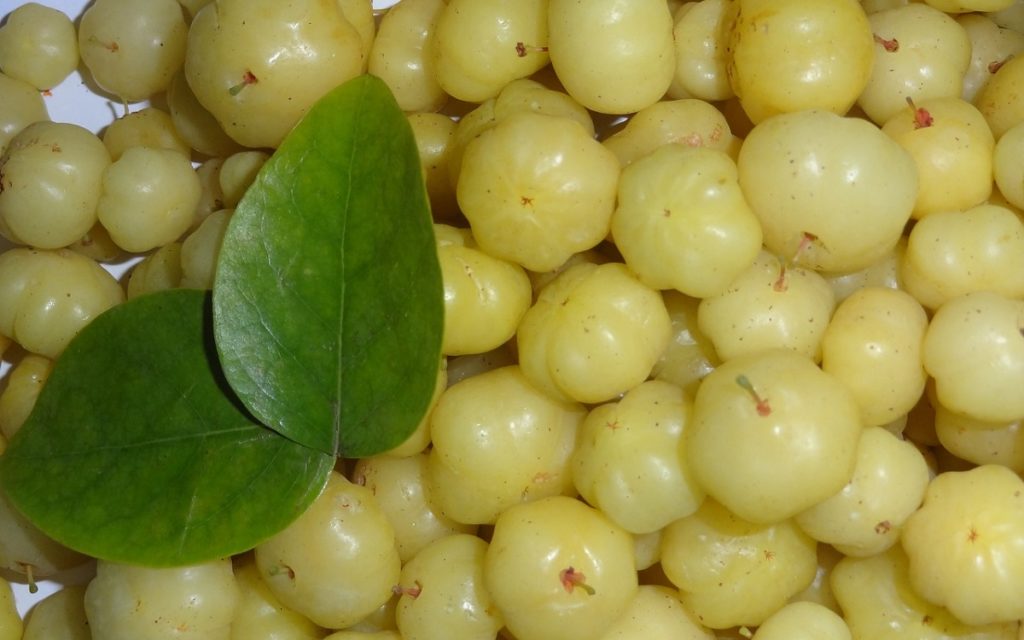
This medicinal plant has long been a key ingredient in Triphala. Triphala is one of the most important Ayurveda herbs, acting as a natural immune booster due to its high vitamin C content. Triphala is particularly excellent for balancing Pitta.
It also helps with diabetes, digestive disorders, inflammation, gastritis, coughs, and sore throats. Amalaki is primarily available in powder or capsule form, but can also be taken as a juice.
2. Gotu Kola
Also known as Indian pennywort, Gotu Kola is used throughout Asia, especially in China. It is known for its antimicrobial, antidepressant, antidiabetic, and memory-enhancing effects. It is not without reason that it is also called the “leaf of longevity.”

Another benefit of Gotu Kola is its detoxifying effect, which primarily supports the health of the liver and kidneys. It is therefore also used in detox retreats. Likewise, it can strengthen your brain function and memory and reduce cognitive disorders. Additionally, the herb helps with sleep problems, anxiety, and stress, as well as in the treatment of depression.
Gotu Kola can also be used to treat wounds and reduce scars and stretch marks. The Indian medicinal plant is often consumed as a type of porridge or soup. The leaves are crushed and taken as part of a meal, for example with rice or curry. In Western countries, it is mainly available in powder or capsule form.

“Ayurvedic herbs unfold their effects particularly well when used in a targeted manner according to one’s type. Their diversity holds a great treasure for health and regeneration.”
Elisabeth Naschberger-Mauracher, European Ayurveda expert & Managing Director of the European Ayurveda Resort Sonnhof in Tyrol
3. Triphala
Translated, Triphala means “three fruits” and is strictly speaking not a single medicinal plant. Rather, it is a mixture of the dried fruits of Haritaki, Amalaki, and Bibhitaki. Triphala helps you bring your Doshas into balance and restore inner harmony.
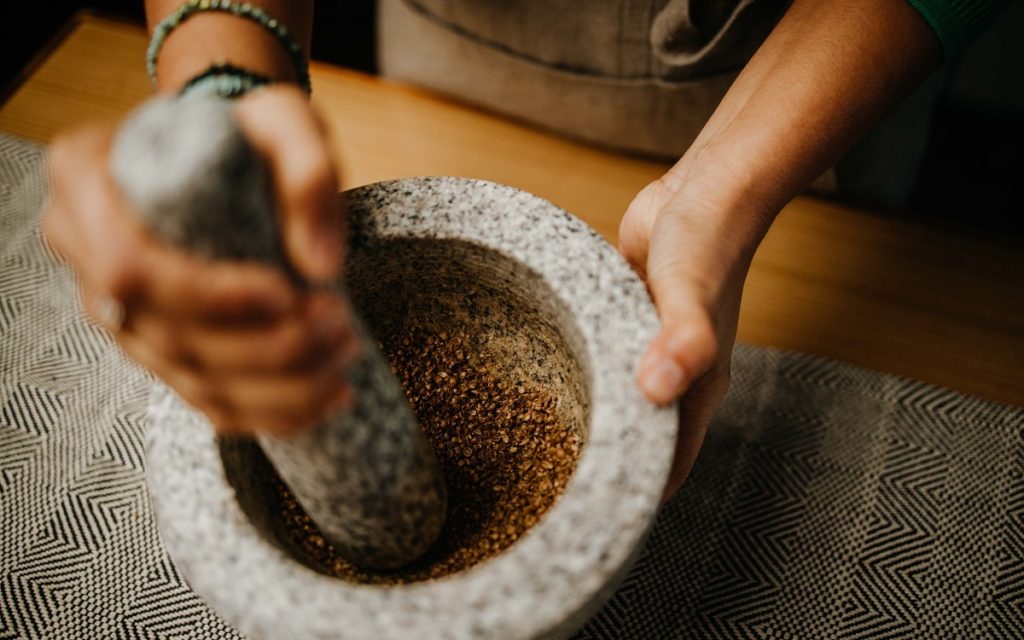
- Haritaki supports your digestion and helps with better absorption of nutrients. Furthermore, it improves your memory function and has a detoxifying effect.
- Amalaki is considered a detox miracle and can strengthen your immune system due to its high vitamin C content. At the same time, the plant has a detoxifying effect and helps in balancing your Doshas.
- Bibhitaki primarily has a balancing effect on Pitta and Kapha and possesses anti-inflammatory properties. The plant also proves helpful for a strengthened metabolism.
You can take Triphala both as a powder and as a capsule.
4. Neem
Neem is also known as Margosa and is a native tree in Sri Lanka with versatile properties. Its effective action against sand fleas, mosquitoes, and ticks makes the plant popular. Neem is primarily used for pest control and in shampoos.
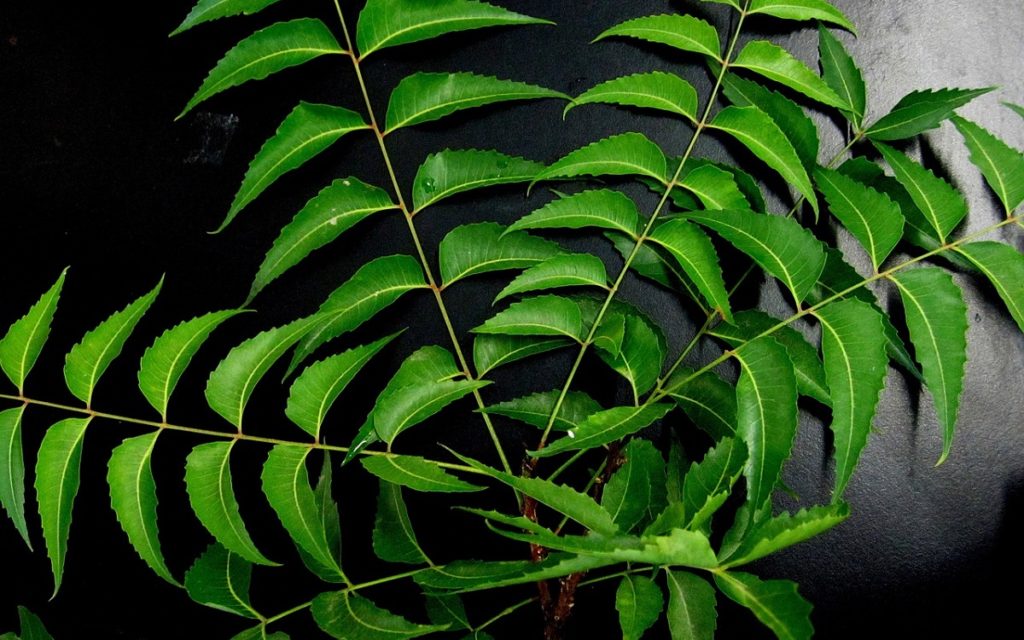
This Ayurvedic medicinal plant also proves useful in the treatment of acne and can contribute to improving the skin’s appearance. It can also provide relief for rashes, infections, irritations, skin eczema, and psoriasis. Furthermore, the plant is taken to prevent gastrointestinal complaints and against fungal infections.
Neem can be found in toothpaste and mouthwashes, but it is also available as an oil and can be applied directly to the skin. All components – namely bark, leaves, and seeds – are used for medicinal purposes.
5. Ashwagandha
The Indian ginseng or winter cherry, Ashwagandha, grows as a small woody shrub. For Ayurvedic medicine, the roots and berries are primarily used. This medicinal plant serves to strengthen your body.
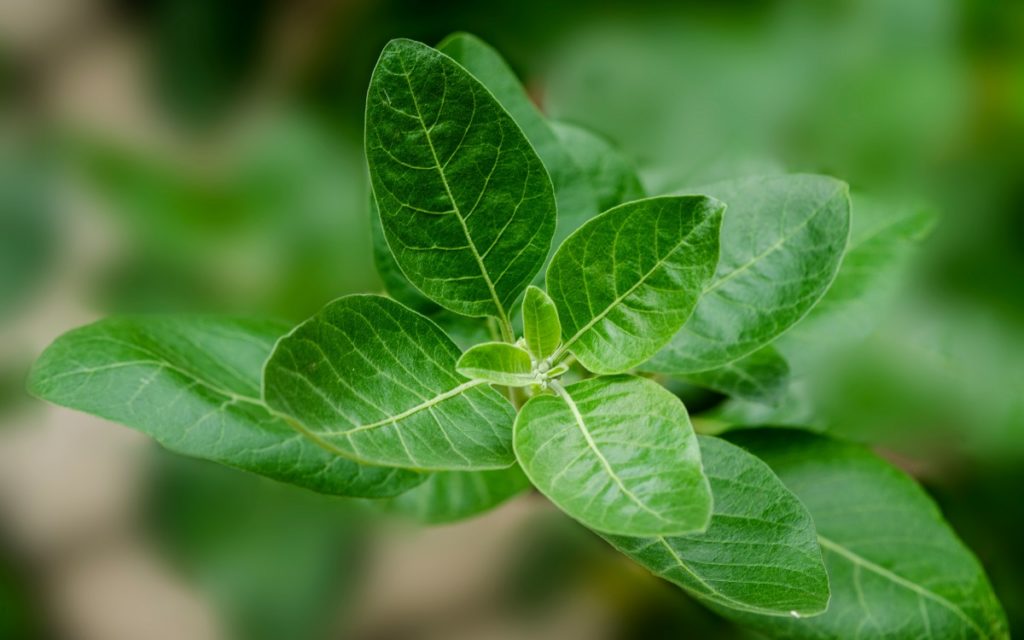
The benefits of Ashwagandha include the reduction of stress and the promotion of the body’s longevity. The plant is frequently used for stress and anxiety, as well as to regulate blood sugar and cortisol levels.
Furthermore, symptoms of depression can be alleviated, and fertility can be improved. Ashwagandha is predominantly taken as a powder, but is also available in capsule form.
6. Shatavari
Shatavari is also known as wild Indian asparagus and is one of the most important Ayurvedic medicinal plants, especially for women. The plant is attributed nourishing, strengthening, and soothing properties, which are extracted from the root tuber.
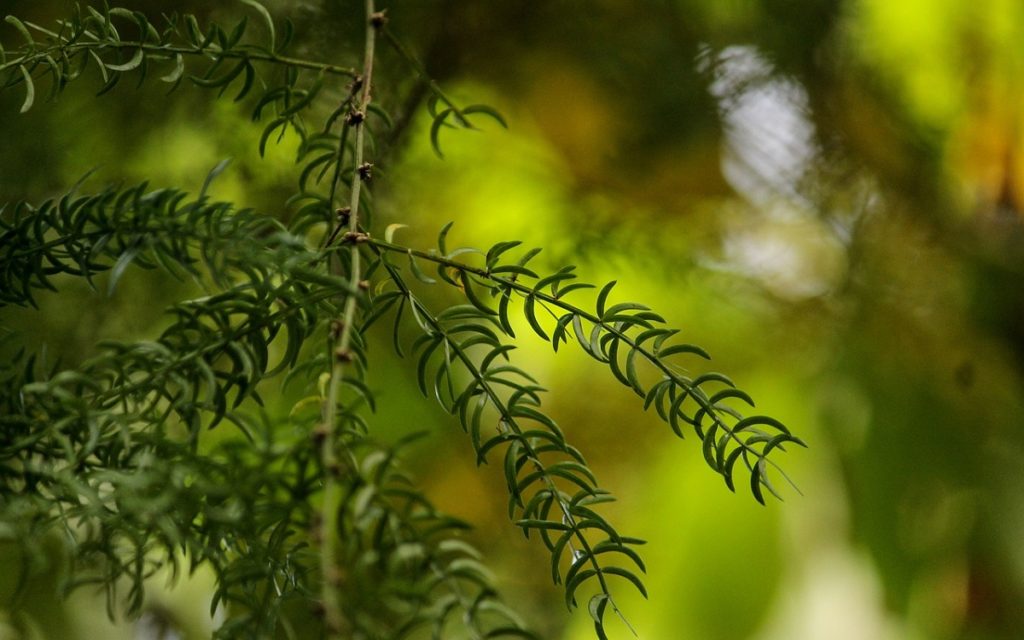
In addition to general strengthening, the plant is considered particularly strengthening for the reproductive tissue. You can take Shatavari as a powder or in capsule form.
7. Brahmi
Brahmi is also known by the name water hyssop or memory herb. It occurs in humid tropical climates and forms light purple or white flowers. The cooling effect on the body is particularly valued in India.
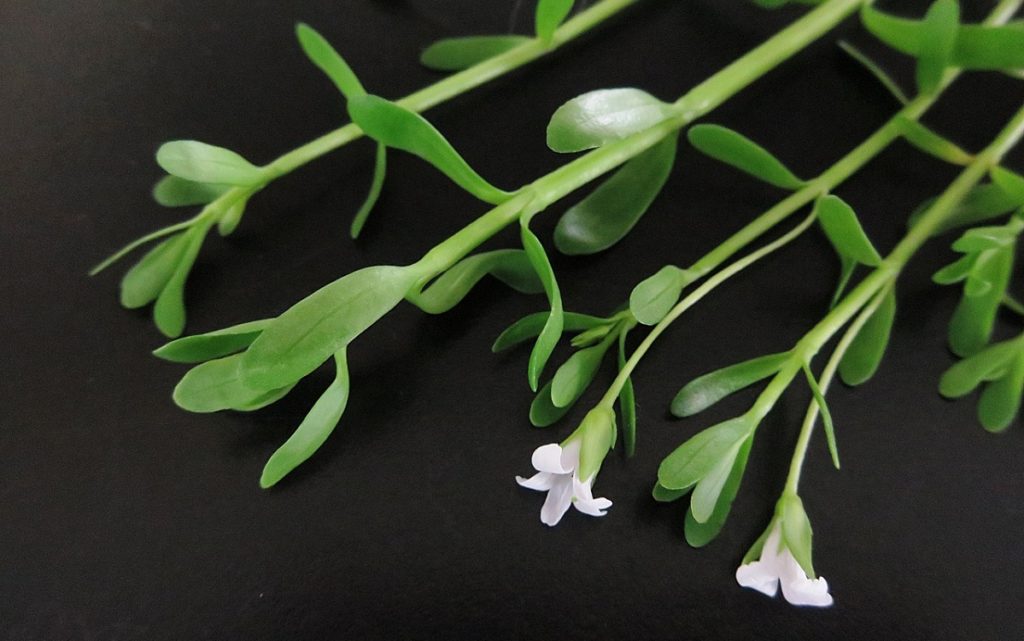
Brahmi can have a positive effect on your brain and strengthen both your long-term and short-term memory. Furthermore, it can help in reducing stress and anxiety, as well as strengthening the immune system.
Additionally, the plant is used for lowering blood pressure and treating stomach ulcers. Healing powers are attributed to the entire plant, and it is used for medicinal purposes. The quality of Brahmi is best preserved through freeze-drying and can be taken as a powder, capsule, or oil.
8. Sariva
Sariva is the dried root of the medicinal plant Sarsaparilla and has a particularly cleansing and regenerating effect.

The plant’s ability to purify the blood makes it very popular. It can be used for skin complaints with itching, diabetes, diarrhea, and digestive problems. You can consume Sariva as a powder or as a chai tea with spices and milk.
9. Guduchi
Guduchi can be translated as “that which protects the body” and, from an Ayurvedic perspective, has cleansing and rejuvenating properties. Taking it can support your tissues and help you age healthily.
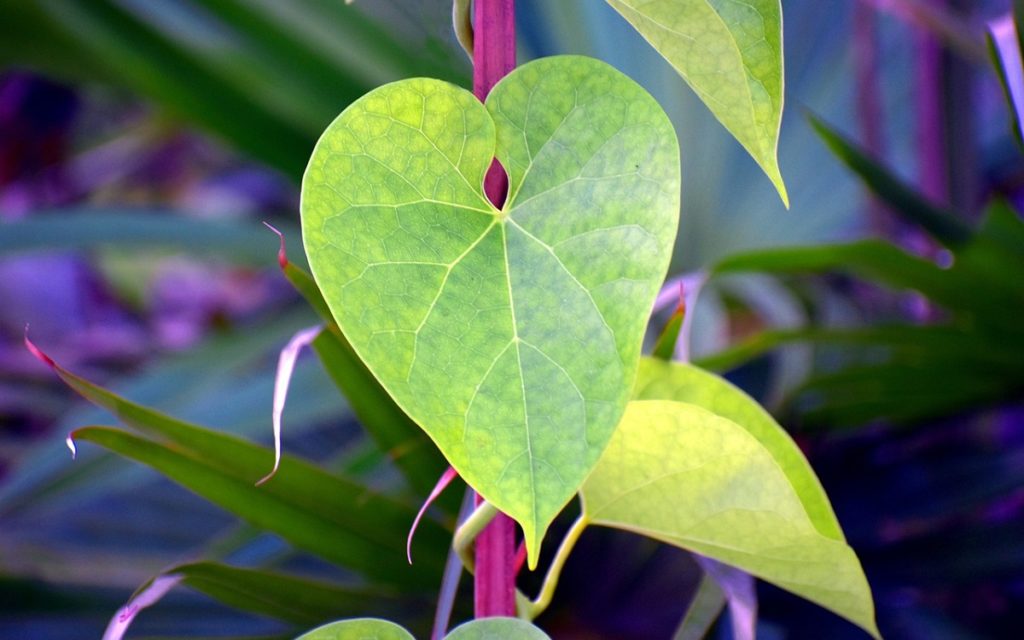
Furthermore, Guduchi has a positive effect on your liver and immune system and can help reduce stress. The Ayurvedic medicinal plant can also be helpful against fever.
It is also used against various skin diseases and liver and gallbladder diseases. Furthermore, Guduchi is used as a nerve tonic and for diabetes mellitus. You can take Guduchi in capsule or powder form.
10. Tulsi
“Holy Basil” is widely distributed, especially in India, and is very popular due to its spiritual properties. Tulsi is grown in almost every Indian household and can be found as a sacred plant both in and around temples.
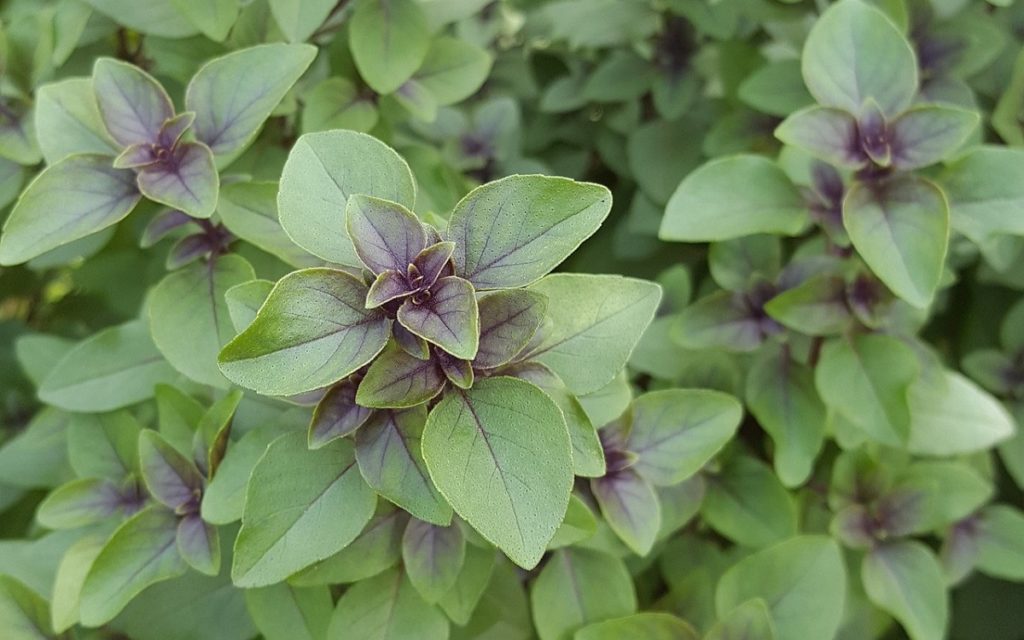
In Ayurveda, the plant is attributed stomach-strengthening, appetite-stimulating, and diaphoretic properties. The leaves of Tulsi also support the function of your respiratory organs and are therefore often used as an Ayurvedic home remedy for colds.
Likewise, complaints with digestion, the heart, and the urinary tract can be alleviated. You can take Tulsi as a pure herb, in pressed tablet form, or as an essential oil.

Hot Water & Ayurveda: Why You Should Drink Warm Water
The positive effects of water on human physical well-being speak for themselves. Discover here why you should drink warm water according to Ayurveda.