Neurodermatitis manifests in those affected through severely itchy skin and inflammation. Although so-called atopic dermatitis is very persistent, Ayurvedic treatment methods can provide sustainable relief. In this article, you will learn how Ayurveda helps with neurodermatitis.
Key Takeaways: Treating Neurodermatitis with Ayurveda
Neurodermatitis is a skin condition primarily caused by persistent stress and a weak digestive fire. The symptoms of the disease often severely restrict those affected in their everyday lives. With an Ayurvedic lifestyle and more peace in your daily routine, you can alleviate your symptoms in the long term.
Neurodermatitis: Causes and Symptoms
Neurodermatitis is one of the most common skin diseases in industrialized countries. In medicine, it is also known as atopic eczema. Although anyone can develop neurodermatitis, children are affected 6 to 10 times more often than adults. In children, the initial onset usually occurs before the age of 5.
Those affected by the skin disease as children often develop other allergic conditions. These include hay fever, asthma, or food allergies. The enormous itching associated with neurodermatitis severely limits the quality of life of those affected.

In conventional medicine, cortisone creams are primarily prescribed for treatment, which often provide little help for the symptoms. The holistic approach in Ayurveda can permanently alleviate symptoms with natural healing methods.
For treatment, the cause of the disease is investigated to enable a comprehensive diagnosis followed by therapy. In this process, your lifestyle habits and dietary style as well as your Dosha type are taken into account.
Neurodermatitis from an Ayurvedic Perspective
Neurodermatitis in children manifests as itchy inflammation on the face, elbows, knees, and wrists. In adults, symptoms appear primarily in the area of the neck, mouth, and nape, as well as the crooks of the arms and the hollows of the knees.
Itchy blisters form on the affected areas, which leads to inflammation, weeping eczema, and crusting due to frequent scratching. In Ayurveda, the cause of neurodermatitis lies in an imbalance of Vata and Kapha. More specifically, there is a dysbalance between the nutrient juice (Rasa Dhatu) and blood (Rakta Dhatu).

According to the three Doshas, Ayurveda also differentiates between three skin types. The health of your skin depends heavily on the balance between Vata, Pitta, and Kapha. If they are balanced, your skin is supplied with all the necessary nutrients and glows healthily.
Depending on which Doshas are imbalanced, different symptoms occur. How does an imbalance of the three Doshas arise in the first place? The three most important factors are:
- Emotional stress
- Improper nutrition
- Unhealthy lifestyle
While (emotional) stress leads to dry skin, too much Ama (undigested matter) manifests through a disturbed metabolism. The extreme skin irritation is therefore a clear signal from your body that everything is becoming too much for it.

“With neurodermatitis, it is worth taking a look beneath the surface. Ayurveda views skin complaints holistically and thus creates the basis for sustainable relief.”
Dr. Alaettin Sinop, Specialist in General Medicine with a focus on Natural Healing Methods
An unhealthy lifestyle weakens the digestive fire Agni in the long run. This includes a predominantly fatty diet, a lot of fast food, and little physical exercise. The weakened Agni can then no longer prevent the accumulation of metabolic waste products in your body.
Over time, this leads to a disturbance of your Doshas with corresponding consequences for your body. The disease of your skin is a result of the metabolic waste products that have entered your blood. A weakened immune system, cold or dry weather, and emotional factors favor a neurodermatitis flare-up.
How Does Ayurveda Help with Neurodermatitic Skin Problems?
Ayurveda is known for its holistic treatment approach, which is why an initial consultation with an Ayurveda expert takes place first. After a discussion about your symptoms and lifestyle habits, your skin is examined. In this process, the doctor often works with their own senses.
The pigmentation as well as the shine, color, and absorption capacity of your skin are observed. The hands for palpation and the nose for smelling are also used for the examination. Additionally, a pulse diagnosis, as well as eye, lip, and tongue diagnoses, are performed.

Through this holistic examination, the Ayurveda expert gains insight into your individual disease development. Based on this, a therapy is created for you and your needs.
Adapting Nutrition & Lifestyle Habits
Neurodermatitis is one of the main signs indicating too much stress. An adapted, stress-reducing Ayurvedic diet is a first important step in treatment. You should avoid the following foods if you have neurodermatitis:
- Alcohol
- Sugar
- Wheat products
- Meat and fish
- Sour-tasting foods
- Fast food
- Hot spices
These foods put your body in a state of agitation, resulting in the formation of acids and a stressed gut.

In Ayurveda, light, warm dishes are primarily recommended for neurodermatitis. Ensure gentle preparation. Foods that give your body peace and promote digestion include:
- Bitter, fresh salads such as dandelion and endive
- Cooked legumes
- (Pseudo-)grains such as quinoa or oats
- Digestive spices
To ensure your body truly comes to rest and has enough time to digest, there should be 4–6 hours between meals. The less work your digestive fire has, the better your irritated skin regenerates.
Ayurvedic Oils for Treatment
In the treatment of neurodermatitis, certain oils help alleviate symptoms. Healthy fats are absorbed through the diet, among other ways. A high omega-3 fatty acid content is important, as found in olive and coconut oil. Ayurvedic ghee is also an important supplement for your body.
Various oils are also used for external application on stressed skin. Evening primrose oil, neem oil, and almond oil are valuable oils used for Ayurvedic massages. Relaxing massages for your stressed body include the classic Abhyanga massage or the Upanahasveda massage.

European Ayurveda® Massage Oil “Inner Peace”
This light body and massage oil based on sesame oil has a calming, warming, and grounding effect thanks to various herbs. It relaxes stressed and dry skin.
Skin Care According to Ayurvedic Principles
Instead of cortisone, Ayurveda relies entirely on valuable Ayurvedic medicinal plants and natural products. These include vegetable oils, ghee products, and pastes made from fresh or dried herbs.
For external application, there are sets with natural products that are freshly mixed before use as needed. The herbal mixtures have the advantage that they can be individually tailored to your needs.
Paying Attention to Psychological Well-being
Overall, it is important that you take care of yourself. Both your physical and psychological well-being play a major role in health. Too much stress in everyday life quickly has a negative effect on you. Ensure sufficient rest periods, effective stress management, and consciously reduce your stress level to a minimum.
It is also important that you address your fears and worries. If you ignore your psychological problems, it can lead to a neurodermatitis flare-up. In the long term, a persistent chronic skin disease like neurodermatitis can develop.
For acute psychological problems, psychotherapy can help. You will see how quickly your skin appearance improves when you bring more clarity to your psyche.

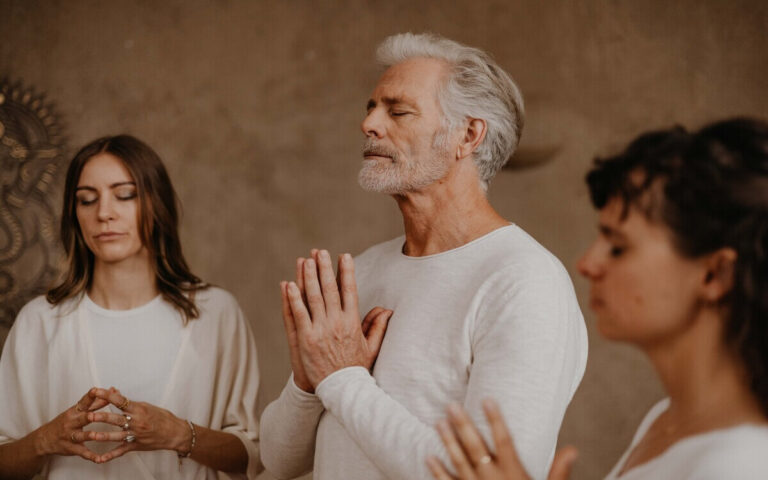
In everyday life, you can offer your body a way to revitalize and lower your stress level with relaxation techniques. Integrate breathing exercises, yoga, and meditation into your daily routine and make them a permanent part of it.
Using Ayurvedic Medicinal Herbs
One component of the treatment of neurodermatitis in Ayurveda is the use of medicinal herbs. These are available as teas, powders, pastes, or herbal mixtures that you can integrate into your daily routine. These include, for example:
- Turmeric
- Cardamom
- Neem
- Triphala
- Manjistha
Turmeric is a popular medicinal herb due to its anti-inflammatory effect. Cardamom and neem also have a calming effect and help in the treatment of neurodermatitis. The herbal mixture Triphala then helps with the regeneration of your body.
Ayurveda Skin Care: Tips for Radiantly Beautiful and Well-groomed Skin
The human skin appearance reveals a lot about a person’s health and feelings. Here you will learn how Ayurvedic skin care helps you achieve radiantly beautiful and well-groomed skin.