Do you know someone who always draws everyone’s attention? Someone who radiates charisma and fills a room with their mere presence? This person is likely a Pitta type. According to Ayurvedic teachings, these individuals are characterized as particularly engaging, self-confident, and determined. Perhaps you even recognize yourself in this description.
What Are Ayurvedic Types?
Now some of you are surely wondering: Dosha types, what does that mean? Before we take a closer look at Pitta, let’s take a step back and see what the Ayurvedic types are all about. They can provide a wealth of information about nutrition and lifestyle.
In Ayurveda, “the knowledge of life,” it is assumed that there are three main ‘potential imbalances’: the so-called Doshas. They are present in different proportions from person to person. Depending on which potential predominates, it shapes character and personality.
For example, if the Pitta potential is most prevalent, one tends to be self-confident, determined, and resilient. An imbalance—meaning too much or too little of this potential—can lead to various impairments. Those who naturally lean toward this type are also more at risk for imbalances in this area.
However, this does not mean that the other Doshas, Vata and Kapha, are not also present. They can even have a balancing and complementary effect and ultimately make up the specific constellation of every human being.
Tendencies of the Pitta Type in Ayurveda
- Physical characteristics: medium height, normal weight to athletic, sweats easily
- Mental characteristics: charismatic, intelligent, organized, dominant, irritable
Pitta Type: Appearance and Character Traits
People with a pronounced Pitta can be recognized, among other things, by their medium build. Their self-confident, strong mental attitude affects their straight, almost proud posture. They are intelligent, sharp-witted, and love challenges.
They enjoy putting their skills, which they rarely doubt, to the test—if necessary, even in direct competition with others.

The Pitta potential is associated with the element of fire, which in turn is related to the digestive tract as the digestive fire Agni. This fire works particularly efficiently, which means that Pitta types get hungry at shorter intervals than Kapha types, for example. When this happens, their mood can quickly turn into impatience and irritability.
When Pitta-dominant individuals start something, they do it right. They burst with strength, motivation, and ambition, and want to satisfy their perfectionism at all costs. What is immediately noticeable when dealing with them is their eloquence, their strong aura, their dynamism, and their charisma.
Unfortunately, this impression is not always perceived positively, because those who work with them may quickly have their own gaps in competence pointed out.
Pitta Type in Women and Men
Pitta type women are determined and have high standards for themselves and others. They often hold leadership positions in their professional lives, and their careers are important to them. To ensure they do not overwork themselves, regular rest and relaxation are essential.
Pitta type men are also ambitious, assertive, and responsible. It is also important for them to control their temperament, as they otherwise tend toward aggression and burnout.
Typical Pitta Type Illnesses and Imbalances
If Pitta levels rise excessively, aggression, choleric outbursts, fanaticism, and intolerance can occur more frequently. The individuals concerned are then satisfied with nothing and overshoot the mark. Excessive self-conviction, even leading to narcissism, harms both the person themselves and their balance, as well as the people around them.

In some cases, Pitta types would stop at nothing to push through their ideas. This might get them to their goal, but it is not impossible that people in their environment will be harmed.
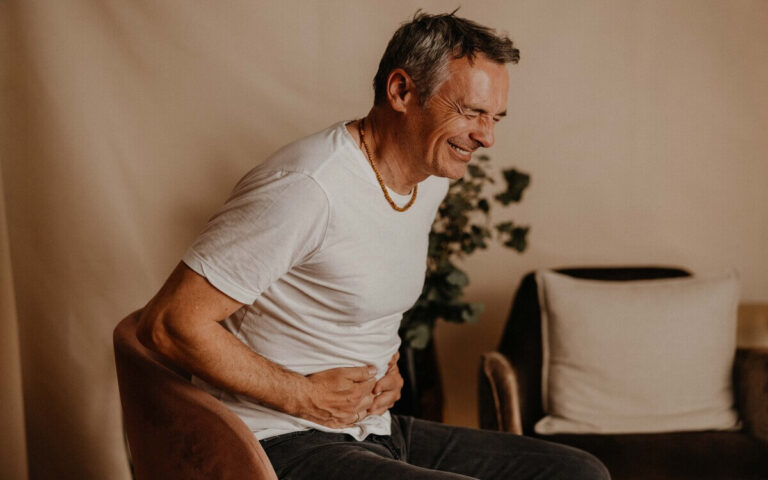
On a physical level, an excess of Pitta manifests through blemished skin, stomach pain, heartburn, diarrhea, and inflammation. All of this is caused by excessive acid formation, which only further fans the fire of Pitta types.
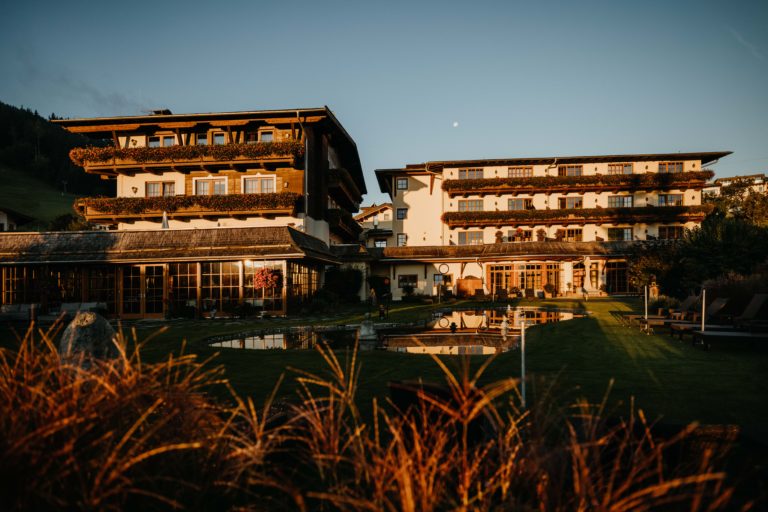
Fortunately, digestive disorders can be counteracted through Ayurvedic nutrition and new behavioral patterns. The right Ayurvedic skincare also helps against blemishes and inflammation. For a true break, an Ayurveda cure at the European Ayurveda Resort Sonnhof is also excellent.
Pitta Type: Nutrition and Food Recommendations
Basically, Pitta types should eat a diet that is cool, dry, strengthening, sweet, bitter, and astringent. This balances the fire energy that characterizes this type. It definitely curbs an excess of Pitta Dosha.
Conversely, if there is too little of it, you can reach for more acidic foods: meat, white flour, coffee, sugar, spicy foods, citrus fruits, dairy products, vinegar. People who identify as the Pitta type should naturally avoid these foods. Alcohol would also be taboo.
Cooling drinks such as coconut water, lukewarm peppermint tea, or organic Aloe Vera juice soothe Pitta, and not just on warm summer days.
An Ayurveda food list for Pitta includes cooling foods and spices such as melons, potatoes, fennel, cardamom, mint, coriander, and parsnips. Crispy steamed vegetables, fresh salads, raw vegetables, grapes, and green vegetables such as asparagus, broccoli, Brussels sprouts, okra, peas, celery, green beans, peppers, and zucchini are also recommended for an excess of Pitta.

Easily digestible whole grain products such as rice or quinoa soothe the Pitta Dosha and also keep you full for a long time. They practically calm the fire and bring it back to a healthy level.
You can also make sure to eat regularly. Unlike Kapha types, Pitta types can eat small meals more than three times a day. Due to their faster digestion, this is no problem at all for such organisms. However, these meals should be rich and nutritious, while the portion size should be kept moderate.
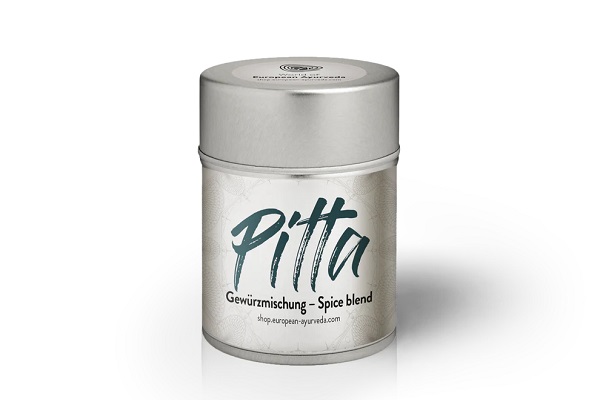
Discover your Pitta spice
The European Ayurveda® Pitta spice blend is a delicious and natural mixture for harmonizing Pitta.
What You Can Observe as a Pitta Type in Everyday Life
Sufficient breaks and good sleep are essential to curb your temperament. Short walks, conscious breathing exercises, meditation exercises, or yoga sessions can help to gently release excess energy.
Cooling baths with rose water, mint, or lavender oil also calm the entire body and can release internal tension. They also help to treat sleep disorders with Ayurveda.
As a Pitta type, you must not get bored. Always look for new mental and physical challenges and exercise. And why not perhaps a sport that is played in competitions? This way, you can satisfy your desire for challenge and recognition.
Physical activity also helps to regulate your nervous system. This allows you to get rid of aggression, anger, and resentment so that these emotions do not explode when others could be harmed.
Try to use your potential, your intelligence, and your persistence for the benefit of all and reduce the compulsion for control and perfection to a healthy level. Practice—sometimes specifically—contentment, helpfulness, tolerance, and serenity.

“Anyone who understands the Pitta type also recognizes how important balance, cooling, and conscious regeneration are. This is exactly the key to keeping the powerful Pitta energy in balance.”
Elisabeth Naschberger-Mauracher, European Ayurveda expert & Managing Director of the European Ayurveda Resort Sonnhof in Tyrol
Pitta Mixed Types: Special Features of Vata-Pitta and Kapha-Pitta Types
Hardly anyone can be assigned to exactly one of the Dosha types. Mixed types, where the characteristics of two Doshas meet, are quite common.
Vata-Pitta types combine the light, mobile qualities of the Vata Dosha with the intense, fiery ones of the Pitta Dosha. These types are usually very creative and at the same time determined. Due to their high standards and their volatility, they are prone to nervousness and stress.
In Kapha-Pitta types, the endurance and structure of Kapha meet the fiery energy of Pitta. People of this type are robust and persistent, but can also easily become sluggish and gain weight.

Empowerment Mentoring with our European Ayurveda® expert team
Do you know the feeling of having lost yourself? If the advice to integrate more breaks into your life that you enjoy doesn’t help you either, then Empowerment Mentoring could be the right thing for you!