Sleep is vital for the human organism. Without the nightly period for rest and regeneration, the body would soon run out of energy. The causes are diverse. In this article, you will learn 6 tips on how Ayurveda can help with sleep disorders.
The Essentials: Sleep Better with Ayurveda
A restful night’s sleep is crucial for a healthy body and mind. Persistent sleep problems can have various causes and affect you psychologically and physically.
In Ayurveda, the aim is to treat sleep problems holistically. Often, changing one’s lifestyle helps. These 6 Ayurvedic tips can help you sleep better:
- Introduce Ayurvedic nutrition with Vata-reducing foods
- Maintain evening routines
- Practice Yoga, meditation exercises, and breathing exercises
- Find a healthy sleep rhythm
- Enjoy relaxing oil massages
- Achieve inner balance with an Ayurveda cure and herbs
Why Restful Sleep is So Important
While sleeping, your body recovers and has time to regenerate. It also provides you with the necessary energy for daily life. Insomnia is not only exhausting for your body but can lead to numerous complaints in the long run.

The following symptoms of insomnia are among the most common complaints:
- Fatigue
- Lethargy
- Nervousness
- Irritability
- Reduced performance and concentration
- Constant feeling of cold
- Increased pain sensitivity
- Depressive moods
Up to 30% of the population suffers from sleep problems. A short sleep duration and irregular sleep times can cost between two and five years of life. Ayurveda not only combats insomnia symptoms but addresses the root cause of sleep problems.
Sleep Disorders in Ayurveda: Sleep Quality in Relation to Doshas
In Ayurveda, sleep disorders have various causes, but your constitution type is always the starting point. Often, a Vata imbalance is the cause of sleep problems.
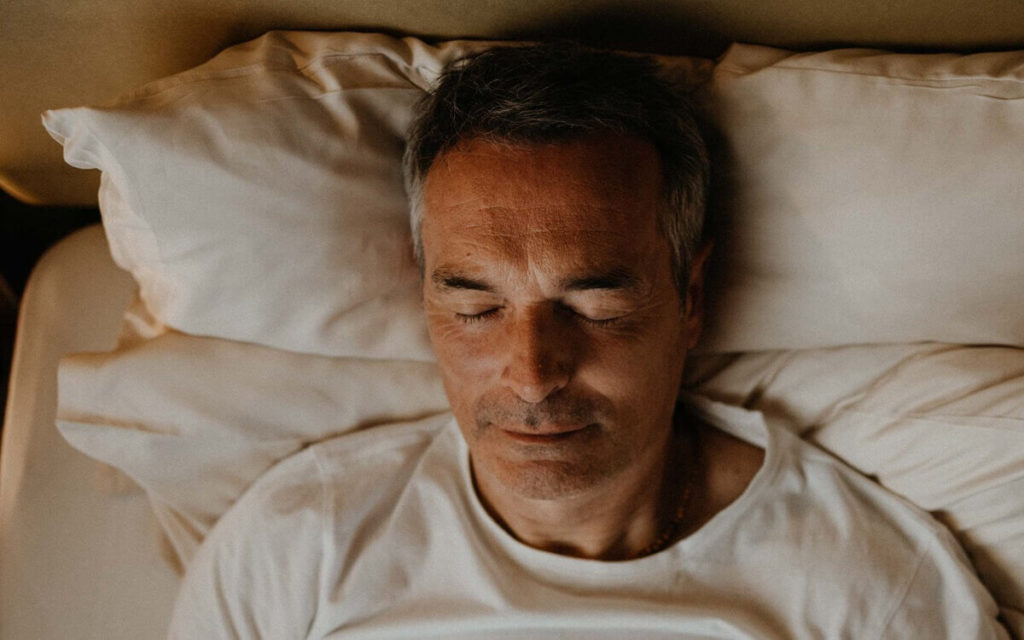
Depending on which of the three Doshas dominates you, it affects the length and quality of your sleep.
- Vata types need the most sleep, at least eight hours. This constitution typically has light and often interrupted sleep.
- Pitta types, on the other hand, manage with six to seven hours of sleep, which is shorter but more restful.
- Healthy Kapha types have deep sleep from which they are difficult to awaken.

“Restful sleep doesn’t begin in the evening, but with a lifestyle that noticeably relieves the nervous system. Ayurveda creates a holistic basis for this.”
Dr. Alaettin Sinop, specialist in general medicine with a focus on natural healing methods
Symptoms of Vata Imbalance
A Vata imbalance manifests through stiff joints, back problems, and constipation. The symptoms are noticeable through restless sleep and difficulty falling asleep. In this, it resembles psychological stress.
The optimal time for Vata is between two and six in the morning. If you suffer from a Vata-dominated sleep disorder, you will primarily wake up during this period. In these waking phases, affected individuals are often plagued by mental restlessness, worries, anxieties, and racing thoughts.
Symptoms of Pitta Imbalance
A disturbed Pitta can also lead to restless sleep. Difficulty falling asleep is a particular problem, and the period between midnight and 2 AM is very restless. The imbalance resembles emotional trauma, which leads to these waking phases.

Even if you can fall asleep quickly, you often wake up with heart palpitations, body aches, and emotions like fear, anger, or sadness. Another symptom is a “get up and go” mood, where you wake up before dawn and then find it difficult to fall back asleep.
Symptoms of Kapha Imbalance
If a Kapha imbalance is the reason for your sleep problems, it often happens that you wake up early in the morning or sleep through completely. Nevertheless, you usually wake up feeling sluggish, tired, and completely exhausted. The length of sleep generally plays no role for those affected.
Overview of Causes for Sleep Problems
These Dosha imbalances have various causes. The goal in Ayurveda is to uncover and treat them holistically. Sleep problems can be caused by:
Psychological causes
- Worries
- Grief
- Anger
- Anxiety
Stress factors
- Overwork
- Emotional or physical stress
Lack of biorhythm
- Shift and rotating work
- (Too) late bedtime
- Disturbances in the sleeping area (geopathy, electrosmog, mobile communication)
Stimulants
- Caffeine
- Nicotine
- Alcohol
- Drugs
- Medications
Eating habits
- Late, heavy dinner
- Fasting
Physical illnesses
- Hyperthyroidism
- High blood pressure
- Menopause
- Apnea syndrome
Ayurveda for Sleep Disorders: 6 Tips for Better Sleep
The Ayurvedic approach to treating a sleep disorder is the long-term change or adaptation of your lifestyle. This includes, for example, routines to calm your body before sleep. Warm water, special herbs, and oil massages have a relaxing effect and promote good sleep.

Tip #1: Reduce Vata
Since excess Vata is often the cause of sleep problems, Vata-reducing foods are a first step towards better sleep. Warm, moistening, nourishing, calming, satisfying, and grounding foods have a long-term positive effect on your sleep.
The following foods also help to calm Vata:
- Rice and noodle dishes
- Porridge or rice pudding
- Steamed (warm) vegetables
- Warm and nourishing soups
A relaxing Golden Rest Evening Milk can also calm your mind and promote restful sleep.

Discover the Golden Rest Evening Milk in the European Ayurveda® Online Shop now
Discover the cookbook “I feel really good with Ayurveda” for home – with 60 simple and healthy recipes from the European Ayurveda Resort Sonnhof!
Try to maintain regular meal times that suit your constitution type. Dinner should also be easily digestible and not eaten too late. This gives your body time to digest food before bedtime and prevents it from keeping you awake during the night.
Tip #2: Ayurveda Routine for Relaxation
In Ayurveda, certain routines are recommended to improve sleep rhythm and provide more energy. Especially sufficient exercise like running, cycling, or hiking has a positive effect on sleep. A short walk or a brief walking meditation before bed also helps with falling asleep.
Make sure to eat at least two hours before bedtime and not after 8 PM. Long hours of television, difficult conversations, as well as working or studying in the evening, negatively affect sleep. Small meditation exercises or autogenic training are better. This promotes relaxation and reduces stress.

Stress Management with Ayurveda: Definition and Methods
Stress: For most people, this unpleasant feeling in their job, family life, or due to social obligations is a daily companion. Here you will find valuable tips and methods for effective stress management with Ayurveda.
Tip #3: Yoga, Meditation, and Breathing Exercises
By incorporating light Yoga sessions into your evening routine, you give your body the opportunity to relax. Pay attention to the conscious execution of the exercises and calm breathing. Especially the Tree, Warrior, and Half Moon poses are great Yoga exercises before bedtime.
Meditation and breathing exercises also help with falling asleep and improve sleep quality. Here too, make sure to perform the exercises fluidly and breathe slowly. Benefit from a calmed nervous system and more balance.
Tip #4: Healthy Sleep Rhythm
Crucial for good sleep is the sleep rhythm. Between 6 PM and 10 PM, Kapha dominates, whose grounding and heavy energy helps with falling asleep. Especially if you have trouble falling asleep, you should go to bed before 10 PM if possible.
Tip #5: Massage and Cleanse the Body with Oil
A self-massage with oil – preferably Inner Peace Massage Oil – or Ghee has a calming effect on you and your body. Especially the neck, hands, and feet are pressure points that can relax the entire body.
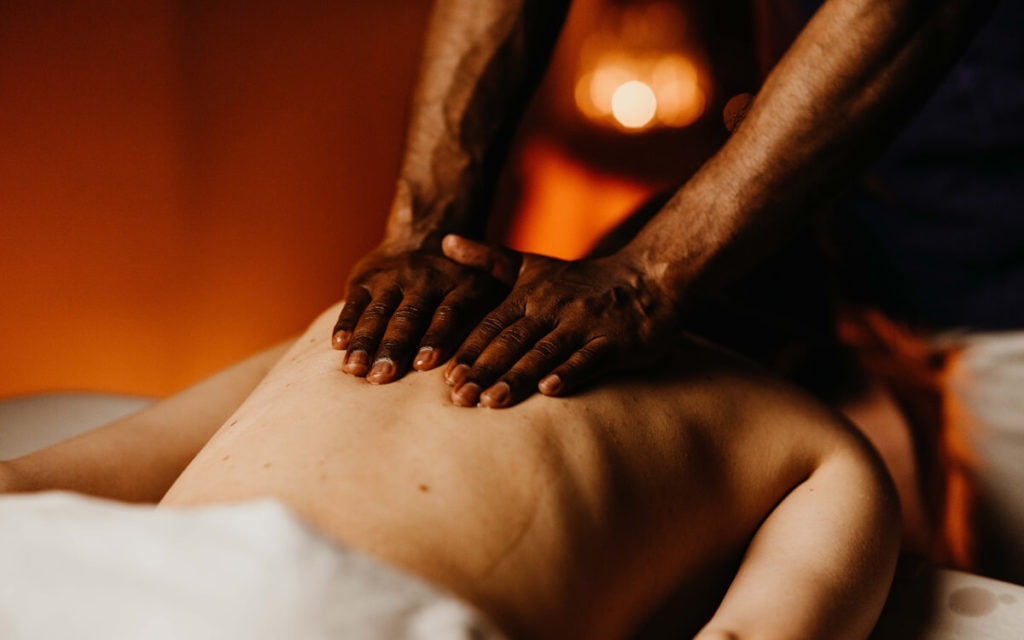
An oil enema is a soothing treatment for sleep disorders. A small oil enema, two to three times a week, can significantly improve your sleep problems. The warming oil reduces Vata and calms the intestines and nervous system. The oil remains in your body overnight and is excreted with the next bowel movement.
Before performing an oil enema, you should definitely consult with an Ayurvedic expert. They will help you tailor the oil enema to the individual needs of your Doshas.
Tip #6: Ayurvedic Cures and Herbs for Sleep Disorders
A great way to treat sleep disorders are Ayurvedic cures. These cleanse the body and mind, leading to more peace and relaxation. For example, the Panchakarma Cure treats typical symptoms of sleep disorders.
Do you want to free yourself from negative thought patterns and stop the sleep-robbing carousel of thoughts? Then our Mental & Mind-Detox© might be the right cure for you. Free your thoughts and finally sleep through the night.
Your Ayurveda expert can also recommend healthy herbal preparations – such as the Inner Peace Capsules – that balance your Doshas. This also has a positive effect on your physical and psychological state. Calming Ayurvedic herbs include Guduchi, Ashwagandha, and Brahmi. They help against stress and soothe your mind.

What to do about fatigue?
Whether after a restless night, a strenuous meeting, or a hearty meal. Fatigue often comes faster than expected. Here we reveal 10 tips on how you can replenish your energy reserves thanks to Ayurveda.