last updated on 08/11/2026
Do you get sick three times every winter while others get through without a problem? With Ayurveda and a few simple habits, you can strengthen your immune system. This guide shows you what research proves and how Ayurvedic teachings build up your defenses in the long term.
The Essentials in Brief: How to Strengthen Your Immune System
The four strongest levers to support your defenses are sleep, moderate exercise, stress regulation, and a plant-based, gut-friendly diet.
- Sleep: Those who sleep only five to six hours catch a cold about 4.2 times more often than someone with over seven hours (1).
- Exercise: Five moderate training days per week mean 43% fewer sick days (2).
- Vitamin D can slightly reduce the risk of acute respiratory infections in winter (3). Other supplements provide no additional benefit with a balanced diet.
- Ayurveda complements conventional medicine with three approaches: Ojas (defense reserve), Agni (digestive fire), and Rasayana herbs such as Guduchi, Amalaki, Ashwagandha, and Tulsi.
- Realistic timeframe: You build up defenses over weeks to months, not in three days.
- At the European Ayurveda® Resort Sonnhof, every program begins with a medical consultation and pulse diagnosis, because a weakened immune system
Read more on the topic:
- What is Agni? – why the digestive fire is the basis of your defenses
- Guduchi in Ayurveda – the classic immune herb of Ayurvedic medicine
- Ashwagandha: Effects and Application – the best-known adaptogen plant against chronic stress
- Ayurvedic Nutrition – how to relieve your gut daily
- Ayurveda Detox – basics of cleansing metabolic waste
- Dosha Test – find out which constitution type you are
How Can I Strengthen My Immune System? The 6 Most Effective Levers
The immune system is not an organ that you can specifically “pump up.” It is a network of mucous membranes, gut flora, immune cells, and hormones that reacts sluggishly but reliably to your lifestyle. The following six levers are the best-supported and work significantly stronger together than individually.
| Lever | What is proven | Implementation in daily life |
| Sleep | With less than 6 hours of sleep, the risk of catching a cold quadruples (Prather 2015) | 7–8 hours, fixed bedtime, no screens in the last hour |
| Exercise | 43% fewer sick days with ≥ 5 moderate sessions per week (Nieman 2011) | 30–45 minutes of brisk walking, cycling, or swimming, not to the point of exhaustion |
| Stress regulation | Chronic stress makes immune cells insensitive to cortisol (Cohen 2012) | 10–20 minutes of breathing exercises, meditation, or a walk without a phone daily |
| Gut health | A large portion of antibody-forming cells are located in the intestinal mucosa (ARS MEDICI) | Eat fiber, fermented foods, warm cooked food, little sugar |
| Micronutrients | Vitamin D slightly lowers the risk of acute respiratory infections (Jolliffe 2021) | Go into the sun regularly for 5–25 minutes; take supplements if a deficiency is medically diagnosed |
| Mucous membrane care | Dry mucous membranes lose their barrier function (University Hospital Zurich) | Drink 1.5–2 liters of warm beverages, ventilate regularly, use nasal oil in heated air |
What Strengthens the Immune System in Daily Life?
The greatest influence is held by the gut, sleep, exercise, and stress. There are robust studies for all four areas, and you can change something in all four immediately. We will go through them one by one.
How Important is the Gut for Immune Defense?
The gut houses a very large portion of antibody-producing cells. The gut-associated lymphoid tissue (GALT) helps decide how well pathogens are intercepted before they spread.
Fiber from vegetables, legumes, and whole grains feeds the beneficial bacteria, while fermented foods like sauerkraut or kefir introduce new strains. Highly processed products and lots of sugar worsen the composition again.
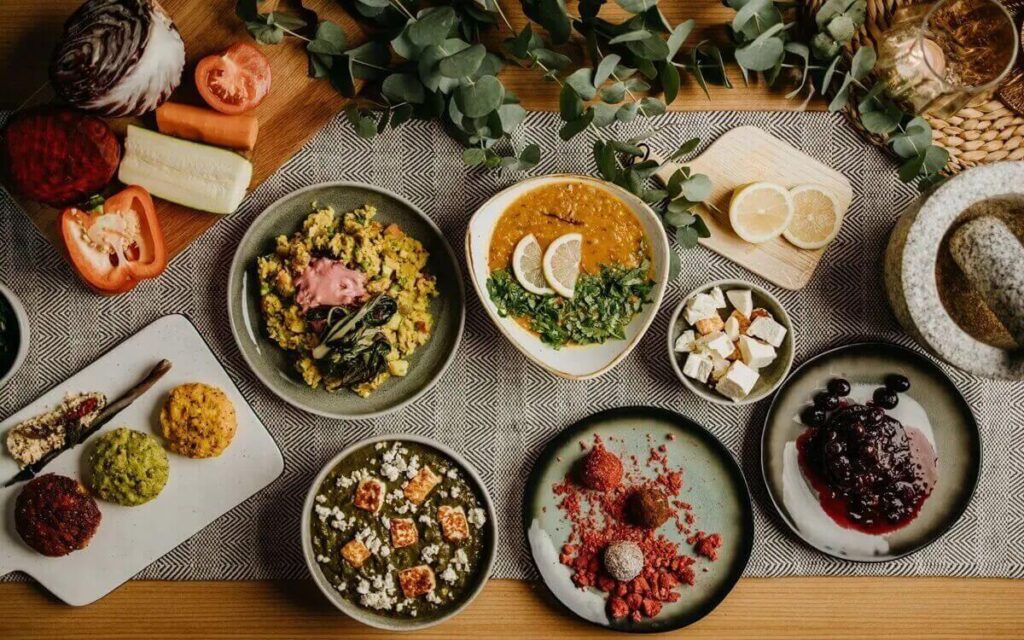
Ayurvedic teaching arrives at the same result via a completely different path. It sees hard-to-digest, cold, and highly processed food as the cause of Ama, meaning metabolic residues that burden the body.
Why Can Sleep Strengthen the Immune System?
Sleep is the only lever where a single bad week already has measurable consequences. In the study Behaviorally Assessed Sleep and Susceptibility to the Common Cold (Prather et al., 2015), 164 healthy adults were observed for a week via actigraphy and then specifically exposed to a cold virus.
Those who slept five to six hours became ill about 4.2 times more often than the group with more than seven hours. With less than five hours, the risk rose to 4.5 times.
At night, T-cells work particularly effectively and immune memory is consolidated. Those who chronically sleep too little simply take away working time from this system.
How Much Exercise Strengthens the Defenses?
Moderate endurance exercise measurably strengthens the defenses, while intense training beyond one’s own stress limit weakens them in the short term. In the study Upper respiratory tract infection is reduced in physically fit and active adults (Nieman et al., 2011), people with at least five days of exercise per week over twelve weeks had 43% fewer sick days than largely inactive individuals.
Symptom severity also decreased by 32% to 41%. More important than intensity is that you stay consistent.

After very hard sessions, the number of circulating immune cells temporarily drops below the baseline value, the so-called open-window phenomenon. Those who are exhausted and still train hard are working against their immune system.
What Does Chronic Stress Do to the Immune System?
Short-term stress activates the defenses, while chronic stress slows them down. In the paper Chronic stress, glucocorticoid receptor resistance, inflammation, and disease risk (Cohen et al., 2012), immune cells reacted less effectively to cortisol under prolonged stress.
The hormone can then no longer properly down-regulate the inflammatory response. As a result, participants developed a cold more frequently after controlled virus exposure.
This is exactly where European Ayurveda® comes in. We treat the state of exhaustion that lies behind the susceptibility to infection.

“Almost all guests who come to us because they are constantly sick tell the same story during the initial medical consultation: they have been functioning for years. The immune system is then not defective; it is exhausted.”
Elisabeth Naschberger-Mauracher, European Ayurveda Expert & Managing Director of the European Ayurveda Resort Sonnhof in Tyrol
What Really Helps the Immune System and What is Overrated?
More promises than evidence circulate around immune boosters. Most often, these concern micronutrients and classic home remedies. Both have their place, just a smaller one than advertising suggests.
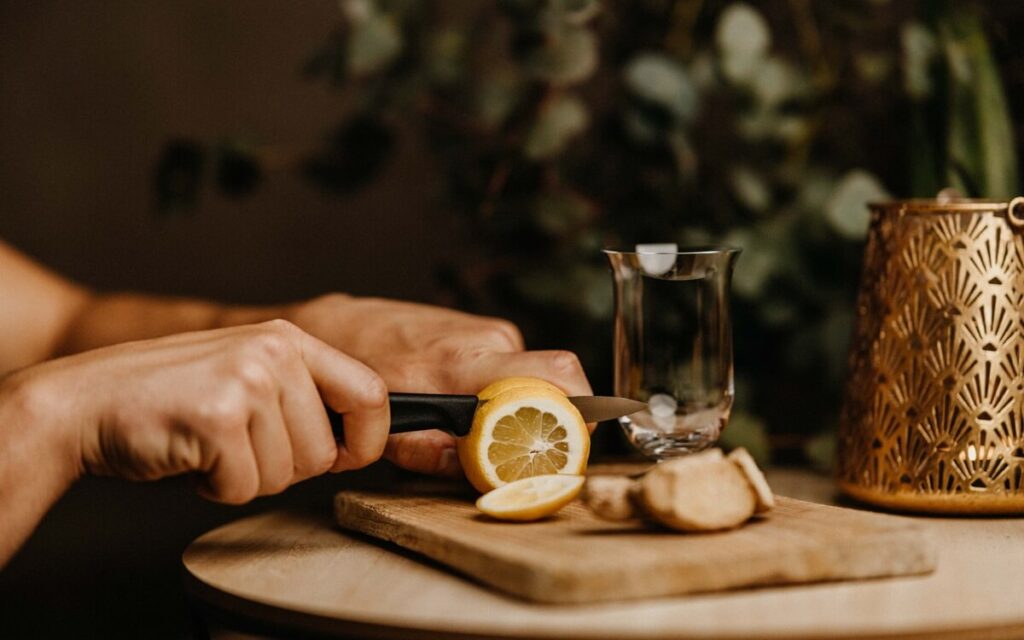
Which Vitamins Really Strengthen the Immune System?
The immune system needs vitamins A, B6, B12, C, D, and E, as well as zinc and selenium. With a balanced diet, you usually cover these requirements completely. Additional supplements then provide no further benefit.
The proven exception is Vitamin D. The meta-analysis Vitamin D supplementation to prevent acute respiratory infections (Jolliffe et al., 2021, The Lancet Diabetes & Endocrinology) summarized 43 randomized studies with around 49,000 participants and found a slightly reduced risk for acute respiratory infections when vitamin D supplements were taken (Odds Ratio 0.92).
However, an updated evaluation by the same working group puts this effect into perspective after further large studies were included. Vitamin D thus compensates for a common winter deficiency, but it does not do more than that.
For healthy adults, it is usually sufficient to simply go into the sun regularly during the spring and summer months. The body can store vitamin D and thus has enough available even in the winter months. In the case of frequent infections in winter or few opportunities for sunbathing in summer, it may be useful to take potential dietary supplements after medical consultation.
Important: Be sure to have your vitamin D level measured by a doctor beforehand instead of supplementing blindly.
Do Home Remedies Like Sauna, Alternating Showers, and Chicken Soup Help?
Sauna has the best data of the three. The Finnish cohort study Sauna bathing reduces the risk of respiratory diseases (Kunutsor et al., 2017) followed 1,935 men for about 25.6 years. With two to four sauna sessions per week, the risk of respiratory diseases could be significantly reduced.
Alternating showers and Kneipp water treading are scientifically less supported but harmless and pleasant for many people. Chicken soup moistens the mucous membranes and thereby alleviates symptoms. A direct effect on the defenses has not yet been proven in humans.
Important: People with cardiovascular diseases must consult a doctor before visiting a sauna.
Building the Immune System: How Long Does It Take?
You will feel the first effects after two to three weeks of a consistent sleep and exercise routine, usually as better regeneration and more energy in daily life. A robust change in susceptibility to infection, on the other hand, realistically takes three to six months.
Gut flora, the mucous membrane barrier, and the stress hormone system change slowly. Those who notice no difference after a ten-day vitamin course have usually just looked too early.
A retreat stay accelerates this process because it moves all levers simultaneously. However, it does not replace what happens in daily life afterward.
Strengthening the Immune System with Ayurveda: Ojas, Agni, and Rasayana
Ayurvedic teaching has no term that corresponds one-to-one to the immune system. Defense power is called Vyadhikshamatva: the body’s ability to resist disease. It depends on three factors that form the core of every cure in European Ayurveda®: Ojas, Agni, and Rasayana.
What is Ojas and Why Does It Determine Your Defense Power?
Ojas is the subtle essence of a completely successful digestion, comparable to a reserve of resilience. If Ojas is high, you appear resilient, sleep well, and handle infections easily. If it is low, you falter with every change in weather.
Ojas decreases due to lack of sleep, chronic stress, overwork, grief, and insufficient nourishment. It increases through warm, easily digestible food, sufficient rest, oil applications, and genuine recovery phases.
It thus describes in ancient language the same thing that research today investigates as the interplay of sleep, stress load, and nutritional quality.
How Does Good Agni Strengthen Immune Defense?
Agni is the digestive fire. If it is strong, food is completely utilized and Ojas is created. If it is weak, undigested residues remain, called Ama in Ayurveda, which clog the body’s channels and weaken the defenses.

Typical signs of weak Agni are a feeling of fullness, fatigue after eating, a coated tongue, and morning heaviness. Those who want to strengthen their Agni eat warm food at fixed times and leave a four to five-hour break between meals.
The easiest way to start is by drinking hot water, in small sips throughout the day. This keeps the mucous membranes moist and supports digestion.
Rasayana: Which Ayurvedic Herbs Strengthen the Immune System?
The classic Rasayana healing herbs are considered rejuvenating and defense-strengthening in Ayurveda. Four of them have also been modernly researched, although the evidence base consists predominantly of laboratory and smaller clinical studies.
| Healing Herb | Ayurvedic Direction of Action | What Studies Show |
| Guduchi (Tinospora cordifolia) | Classic Rasayana for susceptibility to infection | Immunomodulatory effects via macrophage and lymphocyte activation |
| Amalaki (Emblica officinalis) | Cooling, building, basis of Chyawanprash | Very high vitamin C and polyphenol content, pronounced antioxidant activity |
| Ashwagandha (Withania somnifera) | Adaptogen for exhaustion and chronic stress | RCT: significant increase in immunoglobulins and NK cells after 30 days |
| Tulsi (Ocimum sanctum) | Warming, expectorant, “holy basil” | Traditional for respiratory infections, well-suited for daily use as tea |
Ayurvedic herbs are always used in Ayurveda to match the constitution. What helps a Pitta type can further unbalance a Vata type. That is why every recommendation is preceded by an Ayurvedic pulse diagnosis and the Dosha Test.
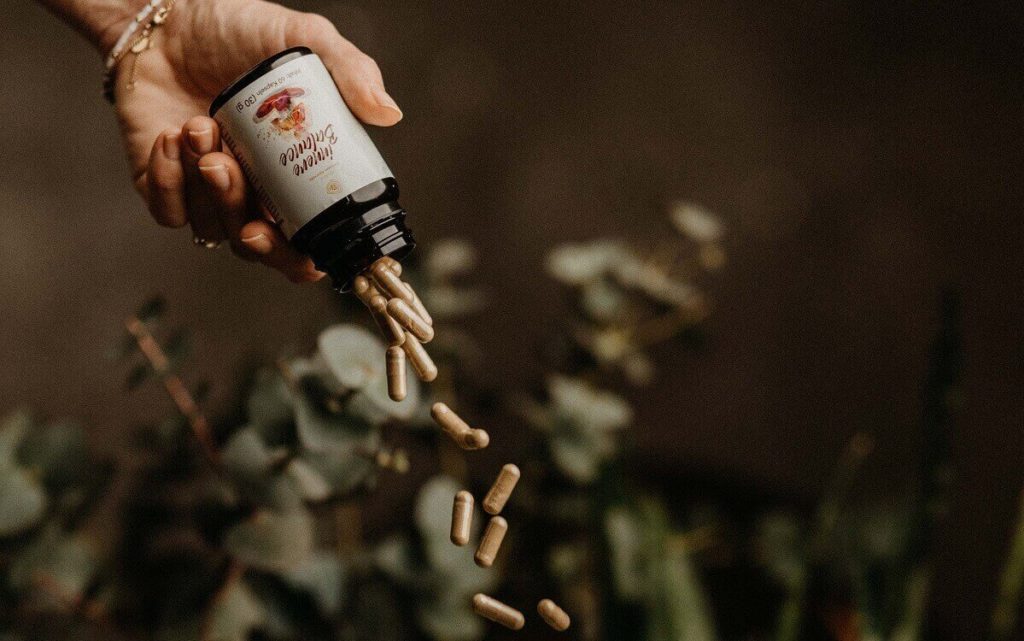
Discover high-quality dietary supplements in our shop now
To support a balanced diet, we recommend selected Ayurveda dietary supplements.
Which Ayurvedic Daily Routines Strengthen the Defenses?
Dinacharya, the Ayurvedic daily routine, is the most practical part of the teaching and works precisely because it takes place daily. These five elements can be incorporated without effort.
- Tongue cleaning in the morning: removes overnight Ama deposits, takes 20 seconds.
- Drinking warm water: keeps mucous membranes and digestion in motion.
- Abhyanga, the oil massage: calms the autonomic nervous system and thus reduces the stress load.
- Nasya, the nasal oil: protects the nasal mucosa, especially in dry heated air.
- Pranayama, conscious breathing: 10 minutes daily activates the parasympathetic nervous system.
Complementary to this is a constitution-appropriate Ayurvedic diet with warm, cooked dishes and spices such as ginger, turmeric, cumin, and black pepper.
Strengthening the Immune System in Adults: What Counts in Which Phase of Life
Strengthening the immune system means something different at 35 than at 55. Ayurveda thinks in terms of stress states rather than age groups anyway. This is exactly how we categorize our cures.
| Situation | Typical Pattern | Sensible Focus |
| High performers, executives | Chronic stress, short nights, infections in every rest phase | Stress regulation, sleep, Panchakarma |
| Women in perimenopause and menopause | Hormonal changes, sleep disorders, increased tendency to infection | Rasayana building, Longevity |
| Digestive and metabolic issues | Feeling of fullness, sluggishness, skin blemishes | Agni building, Detox Cure |
| After prolonged illness or antibiotics | Residual fatigue, recurring infections | Gut building, gentle cleansing, medical supervision |
| Prevention from 50 | Still symptom-free, wants to take precautions. | Longevity programs, exercise, micronutrient check |
Unsure what suits you? The Cure Finder assigns you to one of the five European Ayurveda® lines in six questions.
What Weakens the Immune System?
Often, leaving things out is more effective than adding them. The following factors demonstrably burden the defenses, and most of them are in your own hands.
- Chronic lack of sleep is the strongest single factor.
- Chronic stress without recovery phases makes immune cells insensitive to cortisol.
- Smoking destroys the cilia of the respiratory tract and dries out mucous membranes.
- Regular alcohol disrupts the immune response for up to 24 hours after consumption.
- Overtraining lowers the number of circulating defense cells below the baseline value.
- Highly processed food and lots of sugar worsen the composition of the gut flora.
- Social isolation is considered an independent risk factor in stress research.
How Do You Recognize a Weakened Immune System?
A weakened immune system rarely shows itself dramatically. Typical are more than three to four infections per year, colds that last significantly longer than ten days, and illnesses that always come exactly when a stress phase ends.

In addition, there are non-specific signs such as persistent fatigue despite sufficient sleep, slow-healing small wounds, recurring cold sores, and frequent bladder or sinus infections.
These patterns do not replace a diagnosis. In the case of frequent, severe, or unusually long-lasting infections, you should first have a doctor clarify whether there is a treatable cause behind them.
Strengthening Immune Defense at the European Ayurveda® Resort Sonnhof
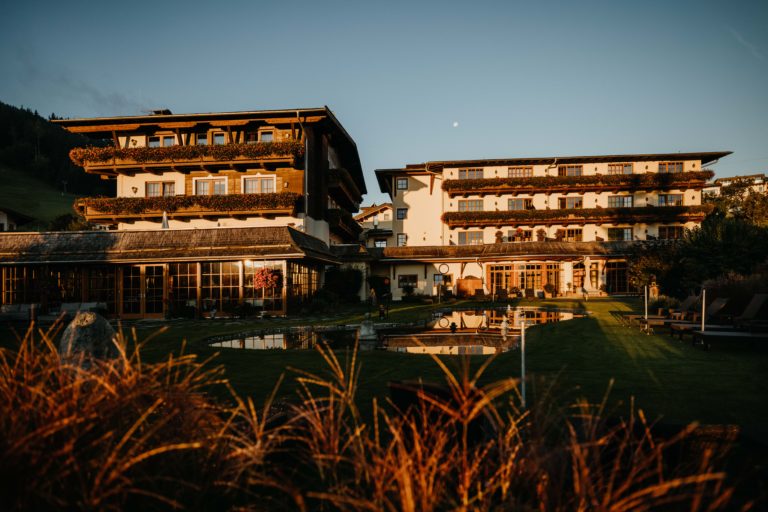
The Sonnhof is a family-run Ayurveda health hotel in Hinterthiersee in Tyrol, at 900 meters above sea level. Every Ayurveda cure begins with a medical consultation and pulse diagnosis by our expert team led by Dr. Gaurav Sharma.
For building up the defenses, three of our five European Ayurveda® lines are particularly relevant. Panchakarma is the deepest, medically structured cleansing.
The Detox Cure was recognized at the World Luxury Spa Awards 2024 and 2025 as the world’s best detox program; it is shorter and metabolism-oriented.
The Longevity program is aimed at everyone who wants to actively take precautions instead of reacting.
The kitchen works with ingredients from our family-owned farm, Lindhof. Freshly prepared, warm, and easily digestible food is the basis for a strong Agni and thus for Ojas in Ayurveda.
“We don’t give you recovery for two weeks. We show you which three things you need to do differently at home so that your body can build up reserves again.”
Elisabeth Naschberger-Mauracher, European Ayurveda Expert & Managing Director of the European Ayurveda Resort Sonnhof in Tyrol
FAQ – Frequently Asked Questions about Strengthening the Immune System
What strengthens the immune system the fastest?
Sufficient sleep works the fastest. Even one week with seven to eight hours per night measurably reduces susceptibility to infection. All other measures take weeks to months.
How can I strengthen my immune system naturally?
7–8 hours of sleep, 30–45 minutes of moderate exercise five days a week, a daily relaxation routine, and a high-fiber, warm diet bring the most benefit.
What is the best remedy for strengthening the immune system?
There is no single best remedy. Vitamin D most likely fulfills this role in winter because deficiency is widespread in Central Europe. However, the effect remains moderate and does not replace a healthy lifestyle. More important are healthy routines that build up the immune system sustainably.
How do I strengthen my immune system with home remedies?
Regular sauna sessions have the best data. Complementary to this are warm ginger or Tulsi teas, sufficient fluids for moist mucous membranes, and alternating showers. Chicken soup alleviates symptoms but does not demonstrably strengthen the defenses.
How long does it take to build up the immune system?
First effects are noticeable with a healthy sleep routine after two to three weeks; a lower susceptibility to infection takes time and usually occurs after three to six months. Gut flora and the stress hormone system change slowly.
Can Ayurveda strengthen a weakened immune system?
Ayurveda addresses three causes: digestive power (Agni), regeneration reserve (Ojas), and stress load. Rasayana herbs like Guduchi and Ashwagandha show immunomodulatory effects in studies. Ayurveda does not replace medical clarification but complements it meaningfully.
Which Ayurveda cure is suitable for frequent infections?
For exhaustion and recurring infections, we usually recommend a Panchakarma or Rasayana cure of seven nights or more at Sonnhof. For digestive and metabolic issues, the Detox Cure is the better start. The decision is made by our medical team after the pulse diagnosis. Alternatively, you can take the Cure Finder test in advance.
When should I see a doctor for frequent infections?
In the case of more than four infections per year, colds that last longer than two weeks, unusually severe courses, or if fever, weight loss, or night sweats also occur.
Sources
scientific sources
(1) Prather, A. A. et al. (2015): Behaviorally Assessed Sleep and Susceptibility to the Common Cold. SLEEP 38(9). https://pubmed.ncbi.nlm.nih.gov/26118561/
(2) Nieman, D. C. et al. (2011): Upper respiratory tract infection is reduced in physically fit and active adults. British Journal of Sports Medicine. https://pubmed.ncbi.nlm.nih.gov/21041243/
(3) Jolliffe, D. A. et al. (2021): Vitamin D supplementation to prevent acute respiratory infections. The Lancet Diabetes & Endocrinology. https://www.thelancet.com/journals/landia/article/PIIS2213-8587(21)00051-6/fulltext
(4) Cohen, S. et al. (2012): Chronic stress, glucocorticoid receptor resistance, inflammation, and disease risk. PNAS 109(16). https://www.pnas.org/doi/10.1073/pnas.1118355109
(5) Kunutsor, S. K. et al. (2017): Sauna bathing reduces the risk of respiratory diseases: a long-term prospective cohort study. European Journal of Epidemiology. https://pubmed.ncbi.nlm.nih.gov/28905164/
(6) Dhama, K. et al. (2017): Medicinal and Beneficial Health Applications of Tinospora cordifolia (Guduchi): A Miraculous Herb Countering Various Diseases/Disorders and its Immunomodulatory Effects. https://pubmed.ncbi.nlm.nih.gov/28260522/
(7) Tharakan, A. et al. (2021): Immunomodulatory Effect of Withania somnifera (Ashwagandha) Extract – A Randomized, Double-Blind, Placebo Controlled Trial with an Open Label Extension on Healthy Participants. Journal of Clinical Medicine 10(16). https://www.ncbi.nlm.nih.gov/pmc/articles/PMC8397213/
(8) Shukla, V. (2012): Evaluation of antioxidant profile and activity of amalaki (Emblica officinalis), spirulina and wheat grass. https://pubmed.ncbi.nlm.nih.gov/23105810/
(9) Rogler, G. / ARS MEDICI (2014): The gut can do more than just digest food. https://www.rosenfluh.ch/media/arsmedici/2014/04/Darm_und_Immunsystem.pdf
(10) University Hospital Zurich (2025): Dry nasal mucosa: What helps. https://www.usz.ch/was-hilft-gegen-eine-trockene-nase-und-was-eher-nicht/
(11) Munich Clinic (2020): Strong immune system – strong against the flu. https://www.muenchen-klinik.de/infektionen-immunsystem-immunkrankheit/grippe/infektionsschutz-immunsystem/