Last updated on July 22, 2026
In Ayurveda, the Kapha type is the most stable and resilient dosha. But when energy becomes stagnant, targeted stimulation is needed. Here, you’ll learn what lies behind the Kapha dosha, what imbalances are typical, and how you can counteract them.
Key Points at a Glance: What Is the Kapha Dosha?
Kapha is one of the three doshas in Ayurveda —an ancient Indian system of medicine that views the body, mind, and soul as a unified whole. As with every dosha, certain characteristics can be attributed to the Kapha type:
- The Kapha dosha combines the elements of earth and water and represents stability, structure, and moisture in the body.
- Kapha types usually have a sturdy build, radiant skin, thick hair, and a calm, patient disposition.
- When out of balance, Kapha types tend to experience lethargy, a slowed metabolism, weight gain, and emotional heaviness.
- A proper Kapha diet focuses on light, warming foods with bitter, pungent, and astringent flavors.
- Regular exercise, waking up early, and adding variety to your daily routine help reduce excess Kapha.
Read more on this topic:
- Ayurvedic nutrition: rules & tips | Sonnhof Blog
- Ayurveda morning routine in 6 steps | Sonnhof Blog
- Ojas in Ayurveda: How to strengthen your life energy | Sonnhof
- Holistic health with European Ayurveda® | Sonnhof
- How to Combat Fatigue: 10 Tips from Ayurveda
What are the characteristics of the Kapha dosha?
The Kapha dosha represents stability, structure, and moisture in the body. It is composed of the elements earth (Prithvi) and water (Ap) and is the nourishing principle in Ayurvedic constitutional theory.

Kapha provides solid structures, well-oiled joints, a strong immune system, and emotional stability. People with a lot of Kapha exude a natural calm and reliability that has a positive effect on those around them. This dosha is typically described as: heavy, slow, cold, oily, soft, and stable.
In Ayurveda, there are three doshas— Vata, Pitta, and Kapha—that shape the body and mind. If you know your constitution, you can tailor your diet and lifestyle specifically to it.
Kapha Type: Characteristics at a Glance
Physically, Kapha types are characterized by a sturdy, robust build with broad shoulders. Their skin is often smooth and slightly oily, their eyes are large and expressive, and their hair is voluminous and shiny. Their digestion is steady but rather slow—and their immune system is naturally robust.
A woman with a pronounced Kapha constitution is often characterized physically by a soft, rounded physique and particularly smooth, radiant skin. Emotionally, Kapha women are considered exceptionally caring, patient, and warm-hearted. They exude a natural, maternal energy and are particularly dependable in relationships.
Mentally, Kapha shows its strongest qualities: patience, loyalty, compassion, and a reliable long-term memory. Kapha types are the quiet pillars of support in relationships and communities. They love stability and value the tried and true.
When Kapha becomes unbalanced, loyalty can turn into stubbornness and calmness into lethargy.

"Kapha types possess a wonderful down-to-earth quality—this calmness is a real strength. The important thing is not to confuse it with stagnation: Those who regularly seek out new experiences, keeps this stable foundation vibrant rather than heavy.”
Elisabeth Naschberger-Mauracher, European Ayurveda expert and managing director of the European Ayurveda Resort Sonnhof in Tyrol
What health issues are typical for the Kapha type?
Classic Kapha-type illnesses arise when this dosha accumulates excessively. The most common symptoms include excess weight, mucus buildup in the respiratory tract, water retention, chronic fatigue, and depressive moods.

Before imbalances become apparent, elevated kapha often manifests through early warning signs: frequent procrastination, a constant need for sleep, cravings for sweets, mucus buildup, or emotional dependencies. Those who recognize these signs early can take targeted steps to counteract them through diet and lifestyle changes.
Classic signs of a Kapha imbalance include:
- Excess weight and a sluggish metabolism: The body stores resources instead of burning them.
- Respiratory disorders: The damp, heavy nature of Kapha can lead to mucus buildup, bronchitis, or sinusitis.
- Edema and fluid retention: When Kapha is out of balance, its affinity for water manifests even at the cellular level.
- Persistent fatigue and drowsiness: An excessive need for sleep during the day is a classic sign of increased Kapha.
- Diabetes and lipid metabolism disorders: If the imbalance persists, serious metabolic disorders can develop.
- Depressive moods: Emotional heaviness and lack of motivation are also among the signs of elevated Kapha.
A study published in the *Egyptian Journal of Medical Human Genetics* (2025) shows that Kapha types do indeed have an increased risk of being overweight: Among 300 participants, a statistically significant association was found between Kapha prakriti and being overweight. Genetically, this association stems from impaired regulation of the feeling of fullness. (1)
A pronounced Kapha imbalance should always be treated in consultation with an Ayurvedic doctor. Pulse diagnosis is the most accurate way to determine your current dosha balance. It forms the basis of every treatment regimen, allowing for a personalized approach tailored to your specific needs and symptoms.
Ayurvedic Kapha Diet: What Should the Kapha Type Eat?
The Kapha diet focuses on light, warm, and dry foods. Bitter, pungent, and astringent are the key flavors—they stimulate the digestive fire and counteract the natural heaviness of the dosha.
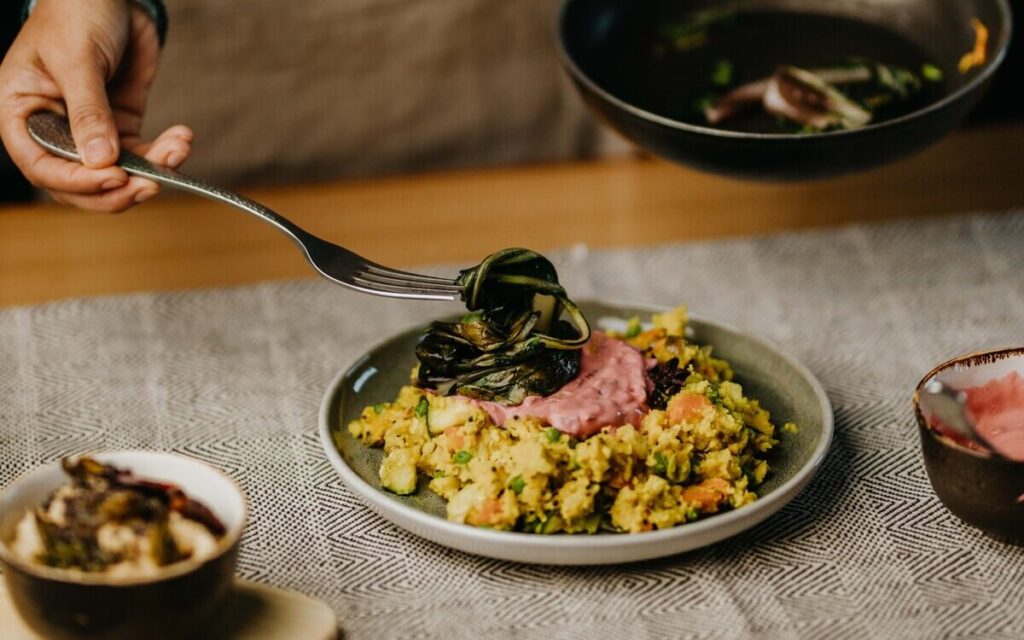
The most important basic rules:
- Warmth takes priority: Cold foods and beverages further slow down the digestive fire, Agni. Porridge or nourishing soups, on the other hand, help restore balance to Kapha.
- Less is more: Kapha types need less food than other constitutions. Large portions and constant snacking put a strain on the system.
- Taste as a Regulatory Factor: Bitter, spicy, and astringent flavors actively reduce Kapha, while sweet, sour, and salty flavors should be used sparingly.
- Spices as allies: Ginger, turmeric, chili, mustard seeds, and pepper stimulate the digestive fire, Agni, and counteract sluggishness.
Which foods are beneficial for the Kapha dosha?
To balance Kapha in your body, the following foods are excellent as a base for delicious meals:
- Vegetables: Bitter and crunchy varieties such as broccoli, kale, artichokes, Swiss chard, radishes, and arugula
- Grains: Light, dry grains such as barley, millet, buckwheat, and rye
- Legumes: lentils, chickpeas, white beans—almost all legumes are suitable
- Fruits: Less sweet varieties such as apples, pears, berries, and pomegranates
- Fats: Use sparingly—preferably ghee in small amounts
What Tends to Increase Kapha
Heavy, greasy, very sweet, or salty foods should be avoided or greatly reduced: cheese, cream, fried foods, bananas, dates, white bread, and alcohol. You can find a detailed overview of these in the Ayurvedic food chart.
Balancing Kapha: Tips for Daily Life and Exercise
An Ayurvedic diet alone is not enough to keep the doshas in balance. The most effective way to balance Kapha is by waking up early, engaging in regular, vigorous exercise, and adding variety to your daily routine. Warmth, sweating, and a light evening meal also help promote balance.

For Kapha types, it’s best to get up before 6 a.m., before the Kapha period begins. Those who sleep during this phase will start the day feeling sluggish. Daily exercise isn’t an option—it’s a must—and it can certainly be intense. Hiking, biking, jogging, or strength training are ideal. Unlike Vata types, Kapha people should definitely push themselves.
A review article in the Kerala Journal of Ayurveda (2023) highlights parallels between the Ayurvedic dosha periods and modern chronobiology: According to the study, the Kapha period from 6 to 10 a.m. correlates with hormonal peaks that promote immune function, joint stability, and sleep quality. (2)
Variety is just as important, because Kapha tends to get stuck in routines. New places, people, and activities help get the system moving again. In the morning, dry brushing (Garshana) with a silk glove is recommended to stimulate circulation and lymphatic flow.
Warm baths and sauna sessions are especially beneficial for Kapha types because heat and sweat help reduce dampness and heaviness. In the evening, meals should be light and eaten before 6 p.m. if possible.
Kapha qualities become particularly pronounced in the spring—damp weather, spring fatigue, and mucus buildup are typical signs. This is exactly the right time for a detox regimen that specifically eliminates ama (metabolic waste) and strengthens agni.
In Ayurveda, there are three doshas— Vata, Pitta, and Kapha—that shape the body and mind. If you know your constitution, you can tailor your diet and lifestyle specifically to it.
FAQ: Frequently Asked Questions About the Kapha Type
What are the typical characteristics of a Kapha type?
Kapha types have a sturdy build, smooth skin, thick hair, and a calm and patient disposition. Their long-term memory is particularly strong. When out of balance, they tend toward sluggishness, emotional heaviness, and a slowed metabolism.
What should a Kapha type eat?
Kapha types benefit from light, warm, and dry foods with bitter, pungent, and astringent flavors. Good choices include bitter vegetables, legumes, and light grains, as well as spices such as ginger, turmeric, and pepper. Fatty, sweet, and cold foods should be avoided.
What health issues are typical for the Kapha type?
Typical Kapha imbalances include obesity, edema, respiratory conditions such as bronchitis or sinusitis, excessive sleepiness, lipid metabolism disorders, and depressive moods.
How can a Kapha type lose weight?
The most effective approach is to stimulate Agni: getting up early, regular vigorous exercise, and a warm main meal at lunchtime are all helpful, as are warming spices and avoiding heavy foods in the evening.
What does the Sonnhof recommend for Kapha types?
As a starting point, the Sonnhof recommends a professional dosha assessment, ideally as part of a wellness program. For everyday use at home, the European Ayurveda Shop offers Kapha-specific products to support your daily routine.
How does the Kapha type differ from Vata and Pitta?
The Vata type is light, creative, and agile, but tends to be restless. Pitta is fiery, determined, and focused, but prone to irritability. Kapha is the most stable of the three doshas: steadfast, nurturing, and patient—with a tendency toward sluggishness when out of balance.
Sources
(1) Murugan, M., Musib, S., Vetriselvan, Y., et al. Genetic variants of the leptin receptor gene (rs1137101) and obesity risk in prakriti individuals, and prediction of their pathogenicity using in silico approaches. Egypt J Med Hum Genet 26, 92 (2025). https://doi.org/10.1186/s43042-025-00724-5
(2) Ananda Lakshmy, K. N. (2023). Understanding the biological rhythm of Tridosha based on physiology – A review. Kerala Journal of Ayurveda, 2(1), 35–43. https://doi.org/10.55718/kja.141