Last updated on August 21, 2026
If you want to calm your nervous system, you’re not alone: Chronic stress throws many people’s parasympathetic nervous system—the body’s “rest and digest” mode—out of balance. With the right exercises and a regular routine, you can specifically restore balance to your autonomic nervous system. Here, you’ll learn how to recognize an overstimulated nervous system and what really helps.
Key Takeaways: Recognizing and Calming an Overloaded Nervous System
An overstimulated nervous system usually manifests as inner restlessness, sleep problems, irritability, muscle tension, or digestive issues. To calm your nervous system, it’s especially helpful to activate the parasympathetic nervous system. This can be achieved through prolonged exhalation, exercise, exposure to cold, or touch.
It’s important to make this distinction: Calming the nervous system provides short-term relief, while regulating the nervous system brings about long-term changes in your overall resilience. From an Ayurvedic perspective, an overloaded nervous system is closely linked to the Vata dosha, which is why routine, warmth, and oil treatments are particularly effective in this case.
Read more on this topic:
- Regulating the Nervous System with Ayurveda: 4 Tips
- Ayurveda for Sleep Disorders: 6 Tips
- Which Ayurvedic treatment is right for me?
How can you tell if your nervous system is overstimulated?
An overstimulated nervous system occurs when the sympathetic nervous system—your “stress mode”—remains dominant for an extended period. Your body then can no longer return to a state of adequate rest. A typical symptom of this is constant tension, even though, objectively speaking, there is no immediate danger.
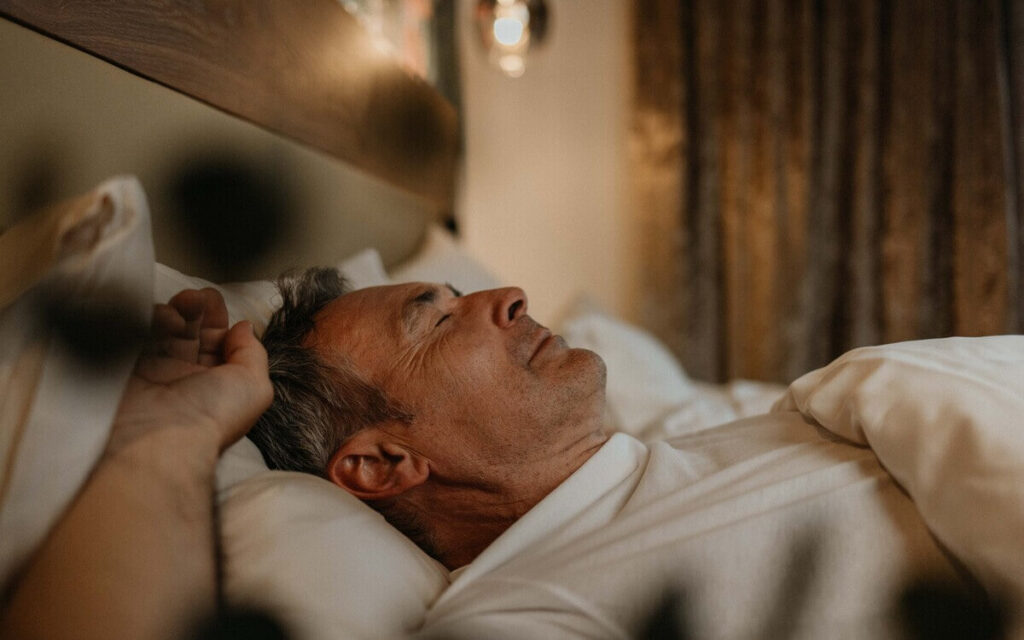
Typical signs of a stressed nervous system
An overloaded nervous system usually manifests itself on several levels at once:
- inner restlessness, nervousness, or the feeling of constantly being “on standby”
- Problems falling asleep and staying asleep
- increased irritability and mood swings
- Muscle tension, especially in the neck and jaw area
- Difficulty concentrating
- Digestive problems, since digestion and the nervous system are closely linked

“Many of our guests come to us with exactly these symptoms—they seem to be functioning perfectly on the outside, but deep down they feel that something isn’t right. That’s exactly where we come in: We restore the nervous system to a state in which true relaxation becomes possible in the first place.”
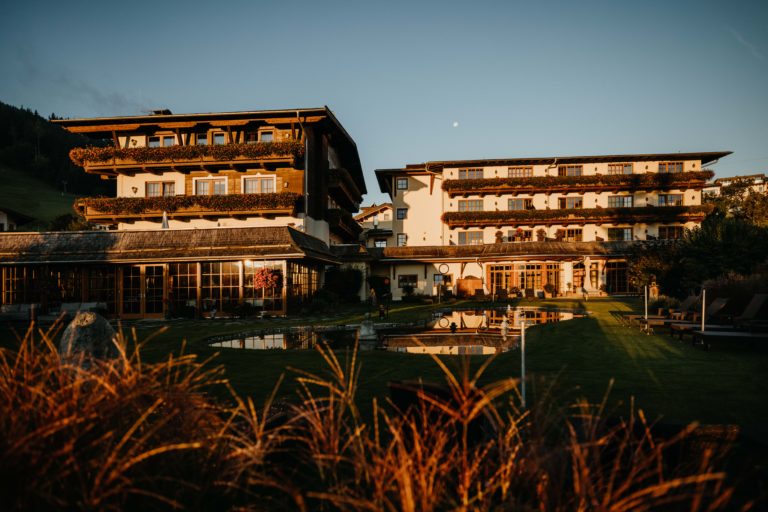
Elisabeth Naschberger-Mauracher, European Ayurveda expert and managing director of the European Ayurveda Resort Sonnhof in Tyrol
How do the sympathetic and parasympathetic nervous systems maintain balance?
Your autonomic nervous system consists of two opposing systems. The sympathetic nervous system activates your body during stress, increases your heart rate and breathing rate, and prepares you for physical performance. The parasympathetic nervous system is its counterpart: it lowers your heart rate, stimulates digestion, and enables true recovery (1).
In a healthy daily routine, both systems alternate flexibly. Problems arise only when the sympathetic nervous system dominates constantly and the parasympathetic nervous system is rarely activated. The Austrian health portal describes the autonomic nervous system as the part of the nervous system that controls vital processes such as breathing, heartbeat, and digestion without your conscious control (2).
How can you activate the parasympathetic nervous system?
To activate the parasympathetic nervous system, you don’t need any equipment or prior knowledge. Stimuli that act directly on the vagus nerve—the most important nerve in your parasympathetic nervous system —are particularly effective. Even just a few minutes of targeted practice can measurably help you relax.
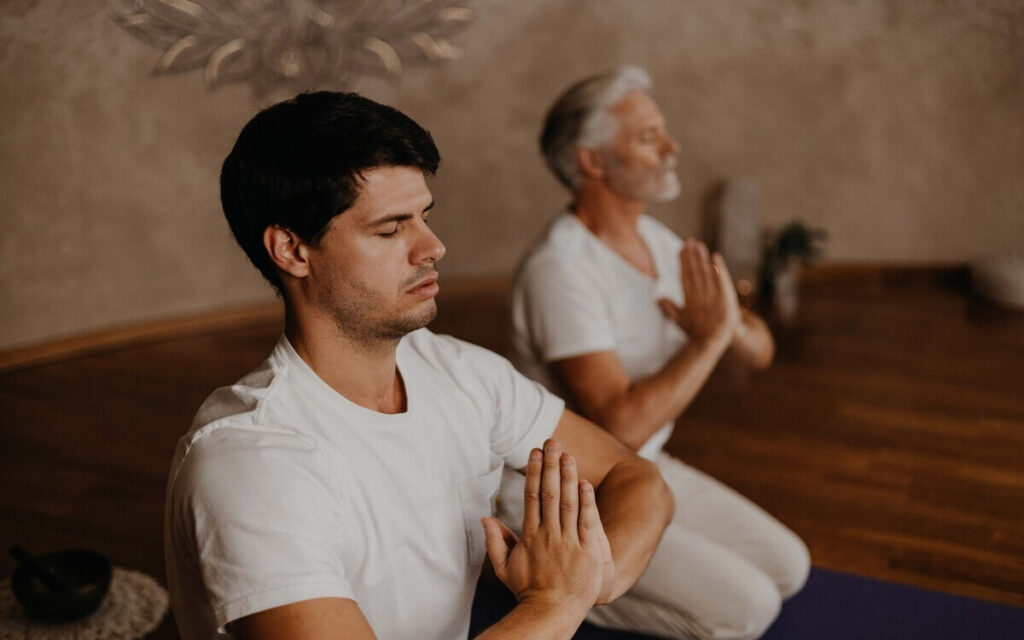
Breathing exercises to instantly calm your nervous system
Conscious, prolonged exhalation is one of the most extensively studied techniques for calming the nervous system. With the 4-6 method, you inhale for four seconds and exhale for six seconds —the key is the longer exhalation phase.
The so-called “physiological sigh” also works quickly: take two short breaths in through your nose, then exhale slowly and audibly through your mouth. Repeat this exercise two or three times whenever you feel tense. You can do it discreetly at the office, before exams, or after a stressful conversation.
Movement, Cold, and Touch as a Way to Reset the Vagus Nerve
Even moderate exercise, such as a walk in nature, activates the parasympathetic nervous system. Regular endurance exercise totaling 150 minutes per week over the course of a year has been shown to reduce the stress hormone cortisol (3). Brief cold stimuli, such as splashing cold water on your face, stimulate the vagus nerve via the so-called diving reflex. Gentle self-touch, such as a brief neck or shoulder massage, has a calming effect through the same mechanism.
What matters is not so much the specific technique as it is consistency. A nervous system that repeatedly receives brief restorative impulses regulates itself more quickly overall.
Calming or regulating the nervous system—what's the difference?
These two terms are often used interchangeably, but they refer to different time frames:
- Calming the nervous system focuses on the immediate moment: You want to release tension right here and now.
- Regulating the Nervous System means, on the other hand, improving the adaptability of your autonomic nervous system over the long term so that you can generally navigate stressful periods more steadily in the future.
| Approach | Time Horizon | Examples | Objective |
| Calm the Nervous System | Minutes | Breathing exercises, exposure to cold, a short walk | immediate relaxation |
| Regulate the nervous system | Weeks to months | A regular daily schedule, a sleep routine, and exercise | greater stress resilience |
| Healing the Nervous System | Months to years | therapeutic support, intensive treatment, lifestyle changes | lasting change in the stress response |
The most effective approach is a combination of all three levels: immediate techniques for the moment, a regular daily routine, and structured downtime. All three levels should be addressed equally.
From an Ayurvedic perspective, what helps when the nervous system is overloaded?
In European Ayurveda, an overloaded nervous system is usually associated with the Vata dosha, which is responsible for movement, change, and impulses in the body. If Vata is chronically elevated, this manifests precisely in the symptoms that many describe as “overstimulated”: inner restlessness, shallow sleep, and a racing stream of thoughts.
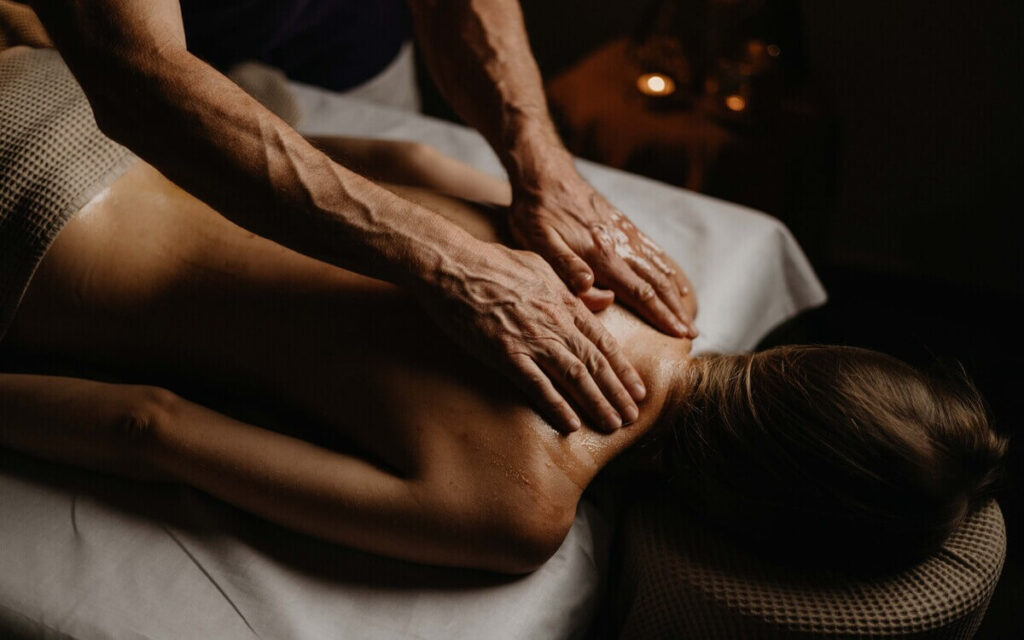
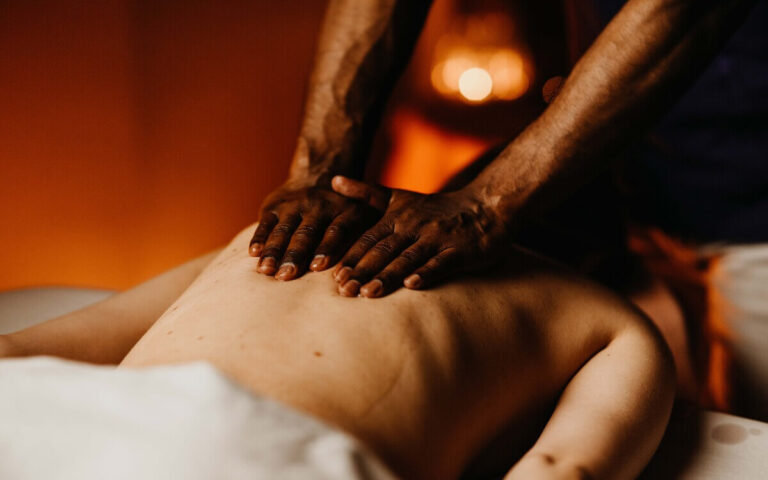
Ayurvedic treatments focus precisely on this: using warmth, oil, and repetitive rituals that instill a sense of security in the body. A warm, full-body oil massage, for example, has a directly calming effect on the nervous system because it applies gentle, steady stimulation through the skin.
What role does sleep play in your nervous system?
Sleep is the most important natural recovery phase for your autonomic nervous system. Ideally, the parasympathetic nervous system is dominant during the night.
A study by MedUni Vienna highlights just how relevant this issue is: According to the study, approximately 7.8 percent of people in Austria between the ages of 18 and 67 suffer from clinical insomnia (4). An overstimulated nervous system and poor sleep often exacerbate each other.
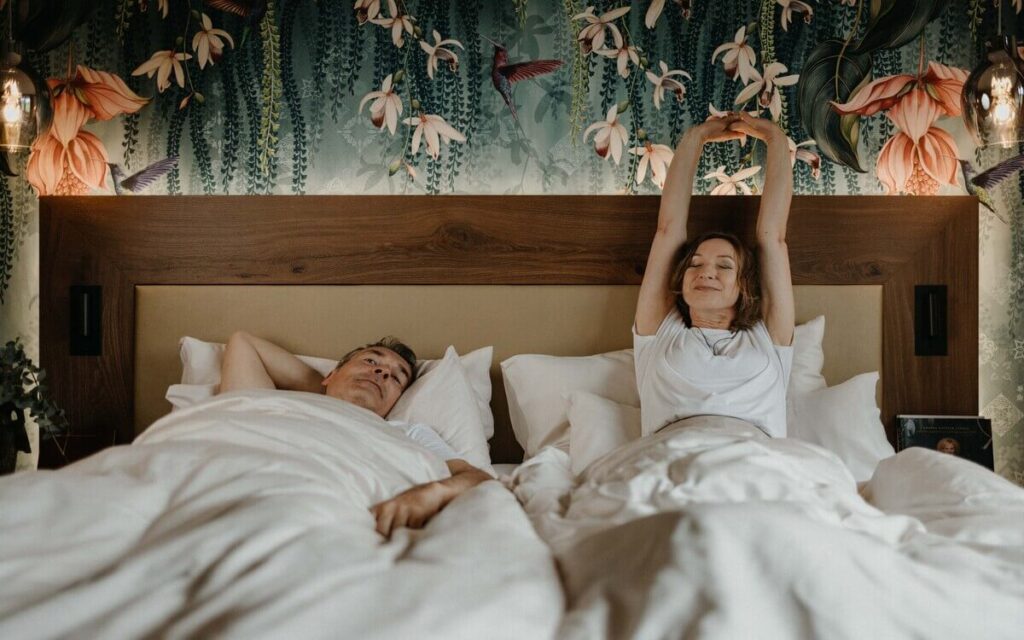
A consistent evening routine that includes limited screen time, warm meals, and a quiet hour before bed specifically supports your parasympathetic nervous system. In addition, Ayurvedic products can help promote good sleep and inner peace.
When do you need professional help?
You can usually manage short-term stress on your own. However, if the symptoms persist for several weeks, you should see a doctor. A chronically overloaded nervous system can also be a sign of a medical condition that requires treatment, which is why self-help techniques should never replace a professional evaluation.
If you want to calm your nervous system, it’s a good idea to combine short-term techniques for everyday life with a long-term regulating rhythm. If you’re experiencing ongoing stress, you should seek professional help, whether from a doctor or in the form of a structured break.
FAQ: Frequently Asked Questions About Calming the Nervous System
What role does nutrition play when the nervous system is overloaded?
From an Ayurvedic perspective, irregular eating places additional strain on an already overstimulated, Vata-dominant nervous system. Warm, cooked meals eaten at regular times have a grounding effect and support the parasympathetic nervous system, in addition to breathing and movement exercises.
Can intense exercise put additional strain on the nervous system instead of calming it?
Yes, very intense or overly frequent exercise can further stimulate the sympathetic nervous system instead of promoting recovery. For an overstimulated nervous system, moderate forms of exercise such as walking, gentle yoga, or swimming are therefore more suitable. If you feel more exhausted than relaxed after exercising, you should reduce the intensity.
What is the connection between digestive problems and an overstimulated nervous system?
The gut and the nervous system are closely connected via the vagus nerve, which is why stress often has a direct effect on digestion, manifesting as bloating, a feeling of fullness, or irregular bowel movements. In Ayurveda, a healthy digestive system is considered an important foundation for a balanced nervous system.
What warning signs indicate that the nervous system is chronically overloaded rather than just temporarily stressed?
While short-term stress usually subsides on its own, symptoms of chronic stress—such as exhaustion, sleep problems, or irritability—persist even after periods of rest, such as a weekend. Another warning sign is when even tried-and-true relaxation techniques are barely effective anymore.
How does Ayurveda help with a stressed nervous system?
Ayurveda generally views an overloaded nervous system as a sign of elevated Vata and recommends heat, oil treatments, and a regular daily routine. At the European Ayurveda Resort Sonnhof, this approach is additionally supervised by a physician.
Which Ayurvedic treatment is best for an overstimulated nervous system?
For emotional exhaustion, the European Ayurveda Resort Sonnhof often recommends an emotional healing treatment; for severe physical exhaustion, it tends to recommend a Panchakarma treatment. On the Sonnhof website, you'll find a wide selection of treatments and programs tailored to your specific needs.
How long does it take for an overloaded nervous system to return to normal?
The initial effects of individual exercises are often noticeable after just a few minutes, but it usually takes several weeks of consistent practice to achieve a noticeable improvement. In cases of deep-seated exhaustion, a structured break lasting several days can significantly speed up the process.
Sources
- BARMER. (2026). Calming the Nervous System: 3 Exercises. https://www.barmer.de/gesundheit-verstehen/psyche/psychische-gesundheit/nervensystem-beruhigen-1507910
- Federal Ministry of Social Affairs, Health, Care, and Consumer Protection. (n.d.). Autonomic Nervous System. Austrian Health Portal. https://www.gesundheit.gv.at/lexikon/V/autonomes-nervensystem.html
- Gianaros, P. J., et al. (2026). [Study title as published in the *Journal of Sport and Health Science*]. *Journal of Sport and Health Science*. https://doi.org/10.1016/j.jshs.2026.101135
- Seidel, S., & Schernhammer, E. (2021). Eight percent of Austrians suffer from pathological insomnia. Medical University of Vienna. https://www.meduniwien.ac.at/web/ueber-uns/news/news-im-september-2021/acht-prozent-der-oesterreicherinnen-leiden-unter-krankhafter-schlaflosigkeit/