Last updated on August 10, 2026
You wake up in the morning, go about your day, take care of what needs to be done, and somewhere along the way, it’s vanished: your joy. If you feel like you’ve lost your zest for life , you’re not alone. This article explains what might be causing this, how you can regain your zest for life, and when it makes sense to seek professional help.
The Most Important Points at a Glance: When You've Lost Your Joy of Life
A lack of joy in life is usually a sign, not a character flaw. It indicates that the body, mind, or soul has lost its balance. The most common triggers are:
- Chronic stress, exhaustion, and burnout
- Unresolved emotional issues or an existential crisis
- hormonal or physical causes
- an emerging or existing depression or anhedonia
Read more on this topic:
- Emotional and Psychological Support at the Sonnhof
- Balance & Longevity Programs: Regeneration for Body and Soul
- Which Ayurvedic treatment is right for me?
- What Is Ayurveda? The Basics Explained Simply
- Why am I always tired even though I get plenty of sleep?
What does it mean when you lack a zest for life?
A zest for life is more than just being in a good mood. It describes a deeper sense of vitality, meaning, and connection to one’s daily life. Without it, even a day that is beautiful in itself seems dull and meaningless.

Many people who are affected describe it as if they were just going through the motions instead of truly living. Things that used to bring them joy hardly stir any emotion anymore. You find it hard to have fun or feel happy about anything.
At first, this isn't a cause for concern: periods when your zest for life wanes are a natural part of human life. What matters is how long this state lasts and how much it interferes with your daily life.
How can you tell that you're lacking a zest for life?
The loss of joy in life usually creeps up on you slowly. Typical signs that you no longer feel joy in life include:
- Persistent fatigue and lack of energy, even after getting enough sleep
- Withdrawal from friends, family, and social activities
- Indifference toward hobbies that used to be important
- A feeling of inner emptiness or emotional numbness
- Brooding, irritability, or constant exhaustion
If you're wondering why you don't feel joy anymore, it's worth taking an honest look back at your last few weeks and months: When exactly did that feeling change, and what was going on in your life at that time?
Overview: Common Causes of a Lack of Joy in Life
If you've lost your zest for life, there's rarely just one reason behind it. Most of the time, several factors come together and reinforce each other.

Chronic stress and exhaustion are the most common underlying causes: When daily life consists solely of obligations over an extended period, the nervous system literally forgets how to relax and allow itself to feel joy. If this state persists for months, it can lead to burnout—characterized by emotional detachment, cynicism, and a noticeable decline in performance.
An existential crisis can also be a cause: When one’s values, career, or relationships no longer align with one’s true self, even the joy derived from things that were once fulfilling begins to fade. Experts in logotherapy often see the core of the problem precisely here, rather than in a single symptom (1).
Last but not least, hormonal or physical causes such as hypothyroidism, iron deficiency, or vitamin B12 deficiency play a role. Therefore, if feelings of sadness persist, it is advisable to seek medical evaluation. (2)
Anhedonia: When There Is No Joy Left at All
A particularly severe condition is what is known as anhedonia, the medically described inability to feel pleasure. Unlike temporary listlessness, it persists for weeks or months and affects multiple areas of life simultaneously. (3)
Those affected describe how even successes, beloved hobbies, or time spent with loved ones hardly evoke any response anymore. Common triggers include chronic stress, burnout, hormonal imbalances, or traumatic life events. Anhedonia also often appears as a core symptom of depression.
Important: If you haven't been able to find joy in life for a long time, you shouldn't try to deal with it on your own. Your first point of contact could be your family doctor, a psychotherapist, or a psychiatrist.
Exhaustion, burnout, or depression—how do I tell them apart?
Many people find this distinction difficult, but it is important for determining the right next step.
- Exhaustion is usually situation-related and improves with rest, sleep, and a reduced workload.
- Burnout results from prolonged stress, often in a professional context, and is accompanied by emotional detachment and a decline in performance.
- Depression, on the other hand, is a serious mental illness that lasts for weeks, disrupts all aspects of daily life, and requires professional treatment.
According to the Austrian Trade Union Federation, approximately 6.5 percent of the adult population in Austria suffers from depression at any given time. Currently, at least 400,000 people—equivalent to 5 percent of the population—are affected and in need of treatment. (4)
What can I do on my own to regain my zest for life?
The good news is that there are effective, practical ways to regain your zest for life. These often consist of small, consistently repeated steps rather than a single major change.

Regular exercise is one of the most effective tools available. Recent studies suggest that exercise can alleviate symptoms of depression just as effectively as medication or psychotherapy. Even a daily walk in the fresh air can make a noticeable difference. (5)
Equally important: make a conscious effort to firmly incorporate small pleasures into your daily life, rather than putting them off until “sometime.” Whether it’s music, spending time in nature, a conversation with a close friend, or a creative activity—what matters is consistency, not scale.
5 Practical Steps to Combat a Lack of Joy in Life
- Make time for exercise: 20–30 minutes outdoors every day
- Make a point of enjoying small pleasures instead of saving them for special occasions
- Breaking the Routine: New Paths, New Experiences, Deliberate Change
- Maintain social connections, even if your first instinct is to withdraw
- Practicing Gratitude: Taking a Moment in the Evening to Reflect on the Day's Beautiful Moments
If you're wondering what you can actually do to combat a lack of motivation: Don't start with a big change, but with the smallest possible action. Open a window, take a few steps, or send a message to a friend. Small actions can spark new energy in your everyday life.

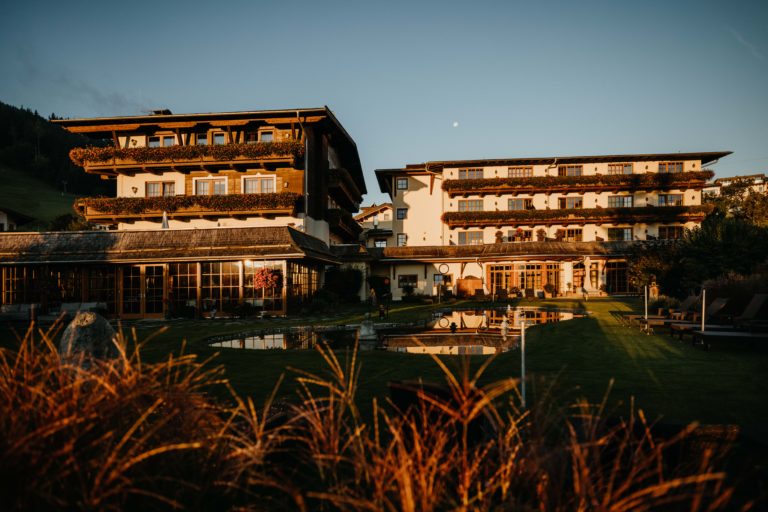
“A zest for life cannot be forced, but it can be invited. At Sonnhof, we consciously create space for this—through tranquility, nature, and rituals that soothe the body and allow the mind to embrace joy once again.”
Elisabeth Naschberger-Mauracher, European Ayurveda expert and managing director of the European Ayurveda Resort Sonnhof in Tyrol
When should you seek professional help?
Not every period of low spirits requires immediate therapeutic support. However, there are clear warning signs that indicate you shouldn't wait too long:
- The feeling of sadness lasts longer than two to four weeks
- Everyday tasks like getting out of bed or going shopping are becoming increasingly difficult
- You completely withdraw from other people
- Feelings of hopelessness or distressing thoughts arise
In such cases, family doctors, psychotherapists, or psychiatrists are the right people to turn to. Emotional and psychological support can also help you reconnect with your own values and find your personal sense of purpose again.
What does Ayurveda say about the joy of life?
In European Ayurveda® , the meaning of life is considered one of the eight central pillars of health and well-being. A meaningful life is not viewed here as a luxury, but as a fundamental prerequisite for physical and mental health. The meaning of life actively protects against exhaustion and inner emptiness.

Closely related to this is the concept of ojas —the vital life energy that sustains the immune system, one’s radiance, and inner strength. A weakened ojas often manifests as precisely what many describe as a lack of zest for life: fatigue, withdrawal, and an inner emptiness.
Ayurveda, therefore, focuses not only on symptoms but on the entire system of body, mind, and spirit. Through Ayurvedic nutrition, exercise, rituals, and a conscious connection with nature, your body is brought into balance.
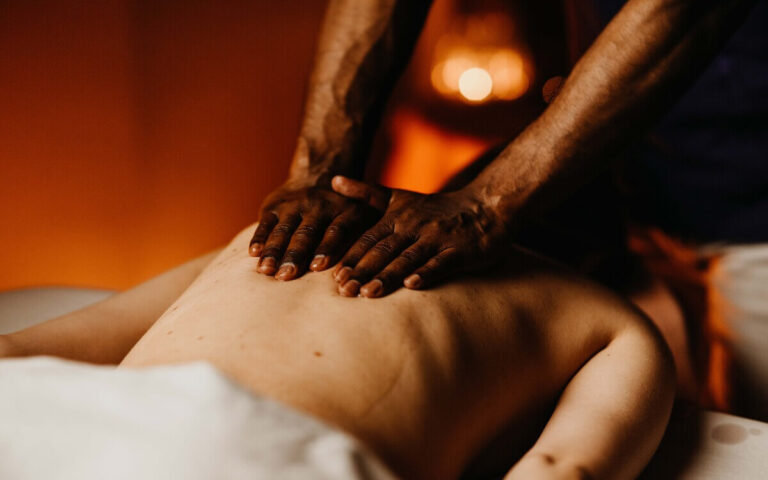
A structured retreat like the Balance & Longevity Program combines a diet tailored to your constitution, Ayurvedic massages, and targeted rest periods to restore the nervous system and ojas.
FAQ: Frequently Asked Questions About Joy of Life
What should you do if you've lost your zest for life?
Start with small, practical steps you can incorporate into your daily life: getting some exercise outdoors, taking intentional breaks, socializing, and establishing set routines. If the condition persists for several weeks, it’s a good idea to seek a professional evaluation from a doctor or therapist.
What should you do if you no longer feel joy?
First, take note of how long this state has been going on and to what extent it’s affecting your daily life. Brief periods without joy are normal, but if they last for weeks, it could be a sign of anhedonia or depression—in which case, it’s important to seek medical or psychotherapeutic help.
What are the most common reasons for losing one's zest for life?
The most common causes of a loss of joy in life are chronic stress, exhaustion, burnout, a crisis of meaning, and hormonal or mental health conditions such as depression. In most cases, several factors interact.
How is a lack of motivation different from depression?
A lack of motivation is often temporary and situation-specific, such as after periods of stress. Depression is a distinct illness characterized by persistent feelings of sadness lasting several weeks, which also affects mood, sleep, appetite, and concentration, and requires professional treatment.
Can Ayurveda help if you've lost your zest for life?
Ayurveda can provide support as a complementary, holistic approach: through stress reduction, a diet tailored to one’s constitution, exercise, and rituals that calm the body and nervous system. However, in cases of clinical depression or severe anhedonia, Ayurveda is not a substitute for medical or psychotherapeutic treatment, but rather serves as a valuable complement to it.
How quickly can a zest for life return?
This varies greatly from person to person. Many people feel some initial relief after just a few days of making conscious changes—such as getting more exercise or spending time in nature. Lasting improvements usually develop over several weeks of consistent practice.
Who can I turn to if I need professional help?
The first points of contact are your family doctor, a psychotherapist, or a psychiatrist. In addition, psychosocial counseling—such as that based on logotherapy—can help you rediscover your own sense of purpose and values.
Sources
(1) Psychotherapie Kiesinger. (n.d.). Logotherapy and Existential Analysis According to Viktor Frankl. https://psychotherapie-kiesinger.at/logotherapie-viktor-frankl/
(2) Federal Ministry of Health. (n.d.). Hypothyroidism. National Health Portal. https://gesund.bund.de/schilddruesenunterfunktion
(3) Friedenweiler Clinic. (n.d.). Anhedonia: When Joy Is Lost. https://www.klinik-friedenweiler.de/blog/anhedonie-wenn-freude-verloren-geht/
(4) Faragheh, T. (September 29, 2021). The Underestimated Disease. Austrian Trade Union Federation. https://www.oegb.at/themen/gesundheit-und-pflege/gesundheitssystem/depressionen-eine-unterschaetzte-krankheit
(5) Clegg, A. J., Hill, J. E., Mullin, D. S., Harris, C., Smith, C. J., Lightbody, C. E., Dwan, K., Cooney, G. M., Mead, G. E., & Watkins, C. L. (2026). Exercise for depression. Cochrane Database of Systematic Reviews, 2026(1), Art. CD004366. https://doi.org/10.1002/14651858.CD004366.pub7