Last updated on April 18, 2026
Alternative healing methods open up new ways for you to support your body holistically. Whether it’s ancient traditions like Ayurveda and Traditional Chinese Medicine (TCM) or naturopathic approaches from Europe, this guide will help you discover the various holistic healing methods available and how to find the one that’s right for you.
The Essentials of Alternative Medicine: A List and Examples
Alternative therapies refer to therapeutic approaches outside the scope of conventional medicine. They are also known as complementary medicine or alternative medical treatments. They view the human being holistically as a unity of body, mind, and spirit, and focus on addressing the root causes of health issues.
Examples of alternative medicine include:
- Ayurveda, the traditional Indian system of medicine
- Traditional Chinese Medicine (TCM)
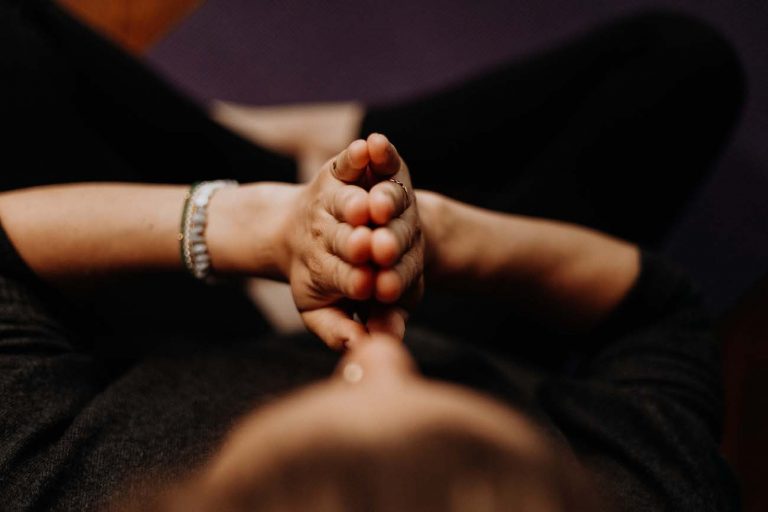
- Mind-body therapies, including yoga, breathing exercises, and meditation
- Naturopathy: Herbal Medicine
- Osteopathy and chiropractic: manual therapies that release blockages in the musculoskeletal system
- Schüßler salts and Bach flower remedies: mineral salt-based and flower essence-based therapies
- Aromatherapy: Therapeutic Use of Essential Oils
- Bioresonance therapy: a newer method based on body frequencies
Important: Alternative medicine is not a substitute for a conventional medical diagnosis, but it can effectively complement it and be used in conjunction with it. When choosing a practitioner, always look for well-trained therapists with recognized certifications.
Read more on this topic:
- Ayurvedic herbs: The 10 most important medicinal plants
- Epigenetics and European Ayurveda®: genes are not destiny
- Ojas in Ayurveda: strengthen your cells and ensure healthy longevity
- Longevity in European Ayurveda®: 4 strategies | Sonnhof
- Holistic health with European Ayurveda® - The holistic approach for modern people
What are alternative therapies—and what aren't?
Before delving deeper into the subject, it’s worth taking a moment to clarify some terminology. This is because the term “alternative therapies” is broadly defined and encompasses a wide variety of approaches.
Alternative treatment methods generally include all forms of therapy practiced outside the mainstream of conventional medicine. These include medical systems with a history dating back thousands of years as well as more recent naturopathic approaches.

What they have in common is that they view the human being not as the sum of their organs, but as a whole. Body, mind, and spirit are interconnected, and a healing method that takes this into account is therefore called a holistic healing method.
European Ayurveda® also focuses on holistic health. We view each person as an individual, taking into account their specific dosha constitution. To truly address the root causes of illness, we also consider lifestyle factors in order to promote long-term health and inner balance.
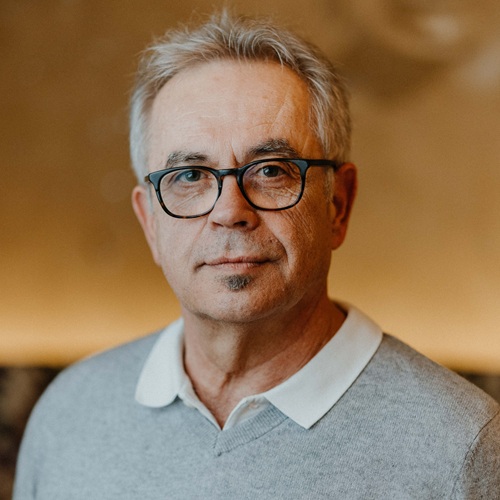
“Alternative healing methods open up new possibilities in contexts where health is understood holistically. The key is to always view the person as a whole.”
Dr. Alaettin Sinop, a board-certified physician in general medicine specializing in naturopathic treatments
Important to know: Choosing alternative healing does not mean rejecting conventional medicine. Many people use alternative therapies alongside conventional treatment —as a meaningful complement. This is precisely the underlying principle of integrative medicine: bringing together the best of both worlds.
Alternative Treatments for Ailments: What Really Works for Me?
There are a wide variety of holistic healing methods that have proven effective for various ailments. Which ones actually help depends on an individual’s constitution and personal circumstances— not every approach is suitable for everyone.
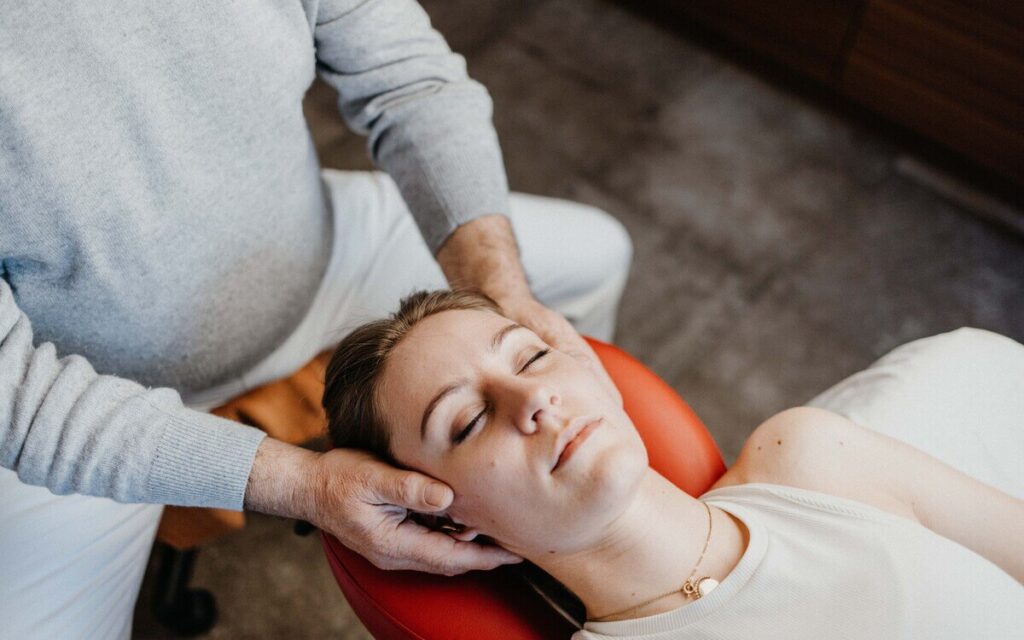
Ayurveda – Alternative Healing Based on Millennia-Old Knowledge
Ayurveda is one of the oldest holistic medical systems in the world. It offers a particularly nuanced perspective on physical ailments and the associated discomfort. According to Ayurvedic principles, emotional imbalances arise when the three doshas Vata, Pitta and Kapha are out of balance.
Excess Vata manifests itself in symptoms such as anxiety, inner restlessness, and erratic behavior. An excess of Pitta, on the other hand, often manifests as irritability, impatience, or perfectionism. Kapha imbalances can lead to listlessness, sadness, or depressive moods.
Ayurvedic diagnosis—particularly pulse diagnosis —precisely identifies where an individual’s imbalance lies. Ayurvedic approaches are based on this:
- Ayurvedic Nutrition based on your dosha type, stabilizes body and mind from within
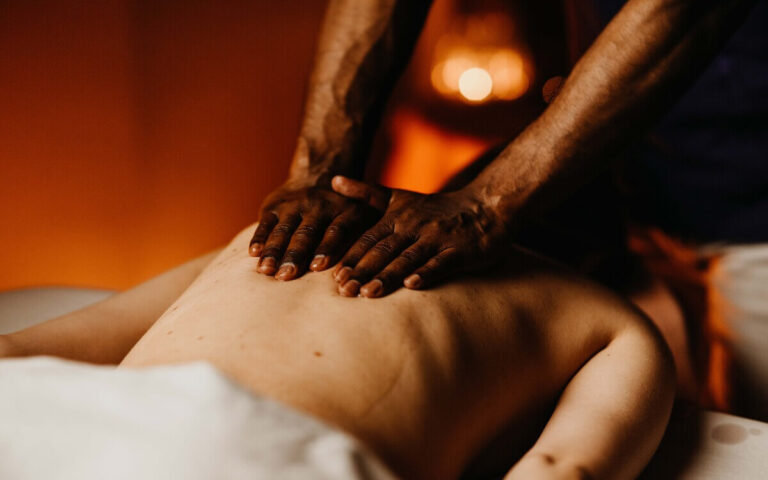
- Abhyanga-Full-body massages with dosha-specific oils soothe the nervous system
- Shirodhara —the gentle pouring of warm oil onto the forehead—is considered particularly effective for stress and emotional instability
- Customized herbal therapies regulate the endocrine system and digestive fire (Agni)
Traditional Chinese Medicine (TCM) – Keeping Qi Flowing
In TCM, emotions are directly linked to the internal organs. Problems or discomfort are often attributed to a disrupted flow of qi—that is, blocked life energy. Acupuncture, herbal medicine, and qigong exercises help restore the flow of energy and bring about emotional balance.
Mind-body therapies: yoga, meditation, and breathing exercises
Mind-body therapies specifically use yoga, breathing exercises, and meditation to restore balance to the body and nervous system. Yoga and meditation are well-researched scientific methods for regulating the nervous system and are not esoteric fringe practices.

Pranayama, the yogic breathing practice, helps calm the autonomic nervous system. Regular practice has been shown to alter reactions to emotional triggers and strengthen inner resilience.
Naturopathy and Phytotherapy – Alternative Healing with Medicinal Plants
Traditional naturopathy relies on herbal remedies to treat physical and mental ailments, a practice also known as phytotherapy. Valerian and passionflower, for example, have a calming effect on inner restlessness. Ashwagandha, an Ayurvedic medicinal plant, can help boost stress resistance and regulate cortisol levels.
Studies suggest that regular Kneipp treatments can support the immune system and reduce susceptibility to respiratory infections (1). In addition, this can noticeably reduce susceptibility to infections.
Other alternative treatment methods
The list of therapeutic methods goes on and on. Other well-known forms of therapy include:
- Osteopathy and chiropractic: manual therapies that release blockages in the musculoskeletal system
- Schüßler salts and Bach flower remedies: mineral salt-based and flower essence-based therapies
- Aromatherapy: Therapeutic Use of Essential Oils
- Bioresonance therapy: a newer method based on body frequencies
Holistic healing methods: How they differ from conventional medicine
The key difference between holistic healing methods and conventional medicine lies in their approach: While conventional medicine often focuses on symptoms and aims for quick relief, alternative healing systems seek to identify the underlying causes.

Alternative medical treatments take the time to listen, to assess each person’s individual constitution and life circumstances, and to find personalized solutions. For many people, this holistic approach is the key reason for trying alternative therapies—especially when conventional medical approaches reach their limits in treating chronic conditions.
However, that doesn’t mean you have to choose one over the other. In fact, it is often the combination of conventional medical diagnostics and alternative therapies that yields the best results. A thorough conventional medical diagnosis usually serves as the foundation for a treatment plan that can then draw on the best of both approaches.
Alternative Therapy: When It Is Particularly Beneficial
There are situations in which alternative treatment methods can be particularly effective:
- Chronic conditions such as back pain, migraines, sleep disorders, and burnout
- Prevention: Boosting the immune system, detoxification, longevity
- Stress-related illnesses and psychosomatic symptoms
- Complementary therapy during or after conventional medical treatments
- General health promotion and promotion of a healthy lifestyle
Warning: Alternative methods should not be used as the sole form of treatment for acute or life-threatening conditions! In such cases, conventional medicine is essential, although complementary alternative treatment can still significantly improve quality of life.
European Ayurveda® as a holistic healing method
If you're looking for an alternative healing method that addresses the body, mind, and spirit in equal measure, Ayurveda offers a particularly profound approach. This is because Ayurveda isn't just a single practice, but a complete way of life.
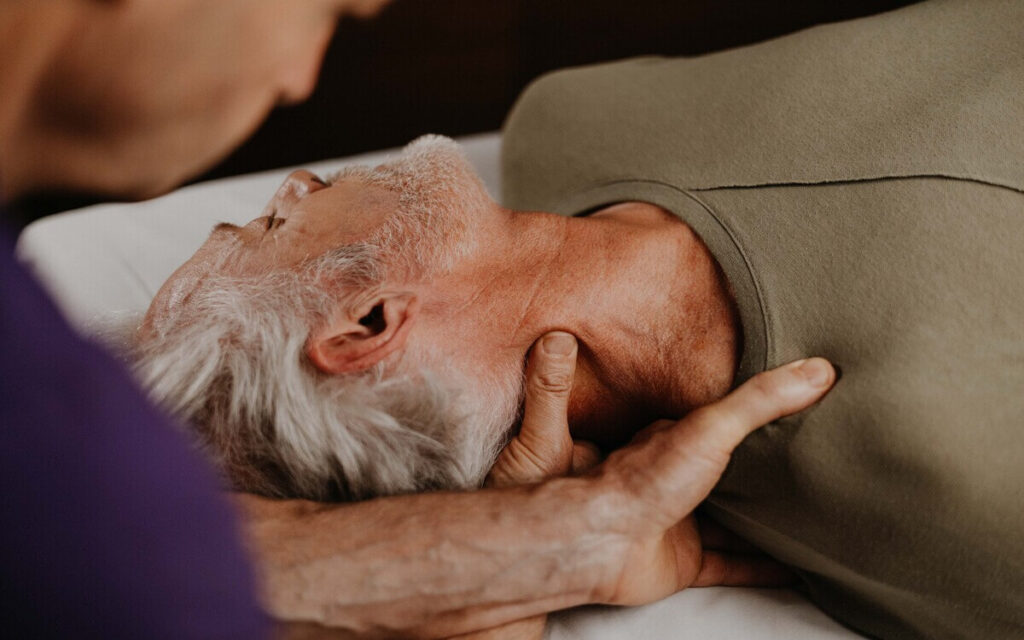
At Sonnhof, this approach is practiced as European Ayurveda®: a further development of classical Ayurveda that combines traditional Indian healing wisdom with modern medical insights. Rather than focusing on isolated imbalances, European Ayurveda® takes a systemic approach that is medically sound, tailored to the individual constitution, and evidence-based. Individualized Ayurvedic treatments are particularly effective here.
Panchakarma: The Deep Detoxification Treatment
One of the most powerful forms of Ayurvedic treatment is the Panchakarma regimen. Panchakarma means “five actions” and refers to a multi-step detoxification program that cleanses the body at the cellular level.
The treatment is divided into three phases: First, the body is prepared for cleansing through an Ayurvedic diet, the consumption of ghee, and special herbal blends. The main phase consists of the actual detoxification treatments: oil massages (Abhyanga), heat therapies (Svedana), herbal compresses, and targeted colon cleanses. In the recovery phase, the body is strengthened and regenerated.
Detox and Longevity: Aging Healthily in a Holistic Way
Detox programs are another focus at the Sonnhof. The goal of these programs is to eliminate toxins, strengthen the digestive fire (Agni), and boost metabolism. This not only relieves the body—the mind and spirit also benefit from this deep cleansing .
Closely related to this is the concept of longevity— healthy longevity achieved through detoxification, cellular regeneration, and the holistic strengthening of the body. European Ayurveda® views longevity not as an anti-aging trend, but as a consistent way of life—based on one’s own constitutional type.
Holistic Healing Methods in Ayurveda: Which Approach Is Right for You?
There is no one-size-fits-all answer to which alternative therapy is the “best.” The choice depends on your personal constitution, the underlying causes, and your current life situation. Here is a general guide:
- Do you feel anxious, restless, and internally unsettled? If so, there are many signs pointing to a Vata imbalance—warming oil massages, grounding through diet, and meditation can help.
- Are you feeling irritable, impatient, or oversensitive? This is often a Pitta pattern—cooling treatments, stress reduction, and targeted herbal therapies can help.
- Do you feel sluggish, lethargic, or indifferent? If so, you may have an excess of Kapha—exercise, warmth, and stimulating treatments can help restore your energy.
Our dosha test is a great first step toward getting to know your constitutional type better. If you’d like to explore this further, you can use the treatment finder to find the right treatment for your individual situation.
FAQ: Frequently Asked Questions About Alternative Medicine
What are alternative therapies?
Alternative therapies are forms of treatment outside of conventional medicine that view the human being holistically as a unity of body, mind, and spirit. These include systems such as Ayurveda, Traditional Chinese Medicine (TCM), homeopathy, and naturopathy, as well as individual practices such as acupuncture, osteopathy, and Schüssler salts. They are often used as a valuable complement to conventional medicine.
Are alternative therapies effective?
Effectiveness varies depending on the method and the specific condition. There are well-documented studies on traditional naturopathic treatments and acupuncture, particularly in the areas of pain management, migraines, and prevention. Other approaches, such as homeopathy, are more scientifically controversial. As a general rule, there are numerous positive testimonials, and a personalized consultation can help you find the right method.
Can alternative therapies replace conventional medicine?
No—in cases of acute or severe illness, no alternative therapy can replace conventional medical treatment. As a complementary approach, however, holistic methods can be very valuable: they improve quality of life, strengthen the body’s natural healing abilities, and help with chronic conditions for which conventional medicine has no satisfactory solution. Always consult your doctor before starting any alternative therapy.
What alternative therapies are effective for stress and burnout?
Ayurveda (particularly Panchakarma and massages such as Abhyanga), meditation and mindfulness, yoga, herbal therapies, and acupuncture have proven particularly effective in this regard. They help regulate the autonomic nervous system, reduce cortisol levels, and strengthen inner resilience. At Sonnhof, we offer specially designed Balance & Longevity programs as well as coaching and yoga sessions.
What is the difference between Ayurveda and TCM?
Both are traditional holistic medical systems with a history dating back thousands of years. Ayurveda originated in India and is based on the three doshas (Vata, Pitta, Kapha) and the concept of prana, the life force. TCM originated in China and is based on the balance of yin and yang and the flow of qi through meridians. Both have their own strengths: Ayurveda is considered particularly effective in detoxification and constitutional treatment, while TCM is distinguished by its specific acupuncture techniques.
What alternative therapies does Sonnhof recommend?
The Sonnhof is based on the European Ayurveda® concept—a holistic system that combines Ayurvedic medicine, modern scientific insights, and personalized care. We particularly recommend the Panchakarma treatment for deep detoxification, the Detox treatment for intensive cleansing, and the Balance & Longevity treatments for relaxation and long-term health promotion. The Treatment Finder will help you find the right treatment for your needs.
How do I find the right alternative therapy for me?
The first step is always to take stock: What is weighing on you? What would you like to change? Chronic stress responds to different methods than back pain or sleep disorders. As a general rule, it is advisable to consult a qualified therapist or seek an initial medical evaluation—including a pulse diagnosis—to determine your constitutional type and develop a personalized treatment plan.
Sources
(1) Goedsche K, Förster M, Kroegel C, Uhlemann C. Repeated cold water stimulations (Kneipp hydrotherapy) in patients with chronic obstructive pulmonary disease (COPD). Forsch Komplementmed. 2007 Jun;14(3):158-66. German. doi: 10.1159/000101948. Epub 2007 Jun 22. PMID: 17596696.