Last updated on August 11, 2026
Do you get sick three times every winter, while others get through it without any problems? With Ayurveda and just a few simple habits, you can strengthen your immune system. This guide shows you what the research says and how Ayurvedic principles can build up your immune system over the long term.
The Most Important Points at a Glance: How to Boost Your Immune System
The four most effective ways to support your immune system are sleep, moderate exercise, stress management, and a plant-based, gut-friendly diet.
- Sleep: People who sleep only five to six hours are about 4.2 times more likely to catch a cold than those who sleep more than seven hours (1).
- Exercise: Five days of moderate exercise per week result in 43% fewer sick days (2).
- Vitamin D may slightly reduce the risk of acute respiratory infections in the winter (3). Other supplements offer no additional benefit when combined with a balanced diet.
- Ayurveda complements conventional medicine with three key concepts: Ojas (reserve of vitality), Agni (digestive fire), and Rasayana herbs such as Guduchi, Amalaki, Ashwagandha, and Tulsi.
- A realistic timeframe: It takes weeks or months to build up your immune system—not three days.
- In European Ayurveda® Resort Sonnhof, every treatment program begins with a medical history review and pulse diagnosis, because a weakened immune system
Read more on this topic:
- What Is Agni? – Why the Digestive Fire Is the Foundation of Your Immune System
- Guduchi in Ayurveda —the classic immune-boosting herb of Ayurvedic medicine
- Ashwagandha: Effects and Uses —The Most Well-Known Adaptogenic Plant for Chronic Stress
- Ayurvedic Nutrition – How to Support Your Digestive System Every Day
- Ayurvedic Detoxification – The Basics of Eliminating Toxins
- Dosha Test – Find Out What Your Constitutional Type Is
How Can I Boost My Immune System? The 6 Most Effective Strategies
The immune system isn’t an organ that you can specifically “boost.” It’s a network of mucous membranes, gut flora, immune cells, and hormones that responds slowly but reliably to your lifestyle. The following six factors are the most reliable, and they’re significantly more effective when used together than when used individually.
| Lever | What has been proven | Implementation in Everyday Life |
| Sleep | Sleeping less than 6 hours quadruples the risk of catching a cold (Prather 2015) | 7–8 hours, a set bedtime, no screen time in the last hour |
| Movement | 43% fewer sick days with ≥ 5 moderate-intensity sessions per week (Nieman 2011) | 30–45 minutes of brisk walking, biking, or swimming—but not to the point of exhaustion |
| Stress Management | Chronic stress makes immune cells insensitive to cortisol (Cohen 2012) | 10–20 minutes a day of breathing exercises, meditation, or a walk without your cell phone |
| Intestinal health | A large proportion of antibody-producing cells are located in the intestinal mucosa (ARS MEDICI) | Eat fiber, fermented foods, and warm, cooked meals; limit your sugar intake |
| Micronutrients | Vitamin D slightly reduces the risk of acute respiratory infections (Jolliffe 2021) | Spend 5–25 minutes in the sun regularly; if a deficiency has been diagnosed by a doctor, take supplements |
| Mucosal Care | Dry mucous membranes lose their barrier function (University Hospital of Zurich) | Drink 1.5–2 liters of warm beverages, ventilate regularly, and use nasal oil when the air is dry from the heater |
What helps strengthen the immune system in everyday life?
The biggest factors are gut health, sleep, exercise, and stress. There are reliable studies on all four of these areas, and you can make immediate changes in all four. Let’s go through them one by one.
How important is the gut to the immune system?
The gut is home to a very large proportion of antibody-producing cells. The gut-associated lymphoid tissue (GALT) plays a key role in determining how effectively pathogens are intercepted before they spread.
Fiber from vegetables, legumes, and whole grains feeds the beneficial bacteria, while fermented foods like sauerkraut or kefir introduce new strains. Highly processed foods and large amounts of sugar, on the other hand, disrupt the gut microbiome.
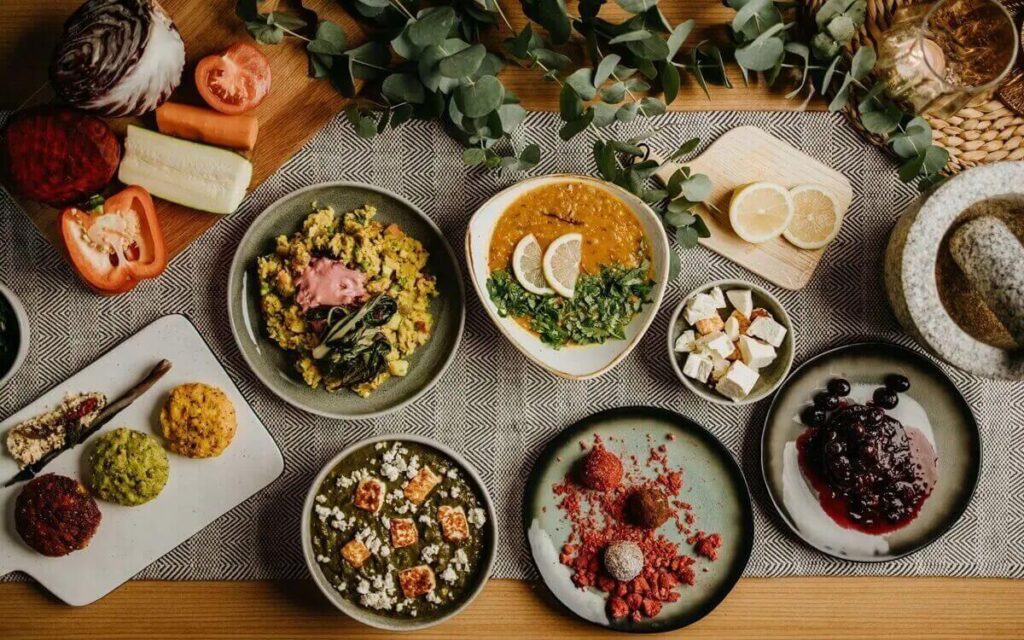
Ayurvedic teachings arrive at the same conclusion through a completely different approach. They view food that is hard to digest, cold, and highly processed as the cause of ama—that is , metabolic waste products that burden the body.
Why can sleep strengthen the immune system?
Sleep is the only factor where even a single bad week can have measurable consequences. In the study “Behaviorally Assessed Sleep and Susceptibility to the Common Cold” (Prather et al., 2015), 164 healthy adults were monitored for one week using actigraphy and were then deliberately exposed to a cold virus.
Those who slept five to six hours were about 4.2 times more likely to become ill than the group that slept more than seven hours. For those who slept less than five hours, the risk increased 4.5-fold.
T cells work particularly effectively at night, and immune memory is strengthened. People who chronically don't get enough sleep are simply robbing this system of its working time.
How much exercise boosts the immune system?
Moderate-intensity endurance exercise measurably strengthens the immune system, whereas intense training beyond one’s own exercise threshold weakens it in the short term. In the study “Upper Respiratory Tract Infections Are Reduced in Physically Fit and Active Adults” (Nieman et al., 2011), people who exercised at least five days a week for 12 weeks had 43% fewer sick days than largely inactive individuals.
The severity of symptoms also decreased by 32 to 41 percent. More important than the intensity is that you stick with it regularly.

After very intense workouts, the number of circulating immune cells temporarily drops below baseline—a phenomenon known as the “open window” effect. Anyone who is exhausted but still trains intensely is working against their immune system.
How does chronic stress affect the immune system?
Short-term stress activates the immune system, while chronic stress suppresses it. In the study “Chronic Stress, Glucocorticoid Receptor Resistance, Inflammation, and Disease Risk” (Cohen et al., 2012), immune cells responded less effectively to cortisol under conditions of prolonged stress.
The hormone is then no longer able to effectively downregulate the inflammatory response. As a result, participants were more likely to develop a cold following controlled exposure to the virus.
This is exactly where European Ayurveda® comes in. We treat the state of exhaustion that underlies susceptibility to infections.

“Almost all of the guests who come to us because they’re constantly sick tell the same story during their initial consultation with a doctor: They’ve been pushing themselves for years. Their immune system isn’t broken—it’s just worn out.”
Elisabeth Naschberger-Mauracher, European Ayurveda expert and managing director of the European Ayurveda Resort Sonnhof in Tyrol
What really helps the immune system, and what is overrated?
There are more promises than evidence circulating about immune boosters. Most often, these involve micronutrients and traditional home remedies. Both have their place, though a smaller one than the advertising promises.
Which vitamins really boost the immune system?
The immune system needs vitamins A, B6, B12, C, D, and E, as well as zinc and selenium. A balanced diet usually provides all the nutrients you need. In that case, taking additional supplements offers no further benefit.
The documented exception is vitamin D. The meta-analysis “Vitamin D supplementation to prevent acute respiratory infections” (Jolliffe et al., 2021, The Lancet Diabetes & Endocrinology) synthesized 43 randomized trials involving approximately 49,000 participants and found a slightly reduced risk of acute respiratory infections when vitamin D supplements were taken (odds ratio 0.92).
However, an updated analysis by the same research group puts this effect into perspective after incorporating additional large-scale studies. Vitamin D thus compensates for a deficiency that is common in winter; it does nothing more than that.
For healthy adults, it’s usually enough to simply spend time in the sun regularly during the spring and summer months. The body can store vitamin D, ensuring it has sufficient levels even during the winter months. If you experience frequent infections in the winter or have limited opportunities to sunbathe in the summer, it may be advisable to take dietary supplements after consulting a doctor.
Important: Be sure to have your vitamin D levels checked by a doctor first, rather than taking supplements blindly.
Do home remedies like saunas, contrast showers, and chicken soup help?
Of the three, sauna has the strongest evidence base. The Finnish cohort study “Sauna Bathing Reduces the Risk of Respiratory Diseases” (Kunutsor et al., 2017) followed 1,935 men for approximately 25.6 years. Taking the sauna two to four times a week was found to significantly reduce the risk of respiratory diseases.
Alternating hot and cold showers and Kneipp-style water treading have less scientific evidence to support them, but they are safe and enjoyable for many people. Chicken soup moistens the mucous membranes and thereby alleviates symptoms. A direct effect on the immune system in humans has not yet been proven.
Important: People with cardiovascular diseases should always consult a doctor before using a sauna.
Building Up the Immune System: How Long Does It Take?
You’ll start to notice the first effects after two to three weeks of consistently following a sleep and exercise routine, usually in the form of better recovery and more energy in your daily life. However, a lasting change in your susceptibility to infections realistically takes three to six months.
The gut flora, the mucosal barrier, and the stress hormone system change gradually. If you don’t notice a difference after a ten-day vitamin regimen, you’ve probably just checked too soon.
A spa stay accelerates this process because it addresses all aspects at once. However, it does not replace what happens afterward in everyday life.
Boosting the Immune System with Ayurveda: Ojas, Agni, and Rasayana
Ayurvedic teachings do not have a term that corresponds exactly to the immune system. In Ayurveda, the body’s ability to resist disease is called Vyadhikshamatva. It depends on three factors that form the core of every treatment in European Ayurveda®: Ojas, Agni, and Rasayana.
What is Ojas, and why does it determine your immune system?
Ojas is the subtle essence of a fully completed digestive process, comparable to a reserve of resilience. When your ojas is high, you’re resilient, sleep well, and can fight off infections. When it’s low, you get sick at the slightest change in the weather.
Ojas decreases due to lack of sleep, chronic stress, overwork, grief, and an insufficient intake of nutritious food. It increases through warm, easily digestible food, adequate rest, oil treatments, and genuine periods of recovery.
It thus describes, in archaic language, the very same phenomenon that researchers today are studying as the interplay between sleep, stress levels, and dietary quality.
How does a healthy Agni strengthen the immune system?
Agni is the digestive fire. When it is strong, food is fully digested and ojas is produced. When it is weak, undigested residues remain—known in Ayurveda as ama —which clog the body’s channels and weaken the immune system.

Typical signs of weak Agni include a feeling of fullness, fatigue after eating, a coated tongue, and a heavy feeling in the morning. If you want to strengthen your Agni, eat warm meals at regular times and allow a four- to five-hour break between meals.
The easiest way to start is to drink hot water in small sips throughout the day. This keeps your mucous membranes moist and aids digestion.
Rasayana: Which Ayurvedic herbs strengthen the immune system?
The classic Rasayanaherbs are considered in Ayurveda to have rejuvenating and immune-boosting properties. Four of them have also been studied using modern methods, although the body of research consists primarily of laboratory studies and small-scale clinical trials.
| Medicinal herb | Ayurvedic Mode of Action | What Studies Show |
| Guduchi ( Tinospora cordifolia) | Traditional Rasayana for Those Prone to Infections | Immunomodulatory Effects via Macrophage and Lymphocyte Activation |
| Amalaki ( Emblica officinalis) | Cooling, restorative, a key ingredient in Chyawanprash | Very high vitamin C and polyphenol content, pronounced antioxidant activity |
| Ashwagandha ( Withania somnifera) | Adaptogen for Exhaustion and Chronic Stress | RCT: Significant Increase in Immunoglobulins and NK Cells After 30 Days |
| Tulsi ( Ocimum sanctum) | Warming, expectorant, “holy basil” | Traditionally used for respiratory infections; as a tea, it’s well-suited for everyday use |
In Ayurveda, Ayurvedic herbs are always used in accordance with a person’s constitution. What helps a Pitta type can further throw a Vata type out of balance. That is why we always begin with an Ayurvedic pulse diagnosis and a dosha test before making any recommendations.
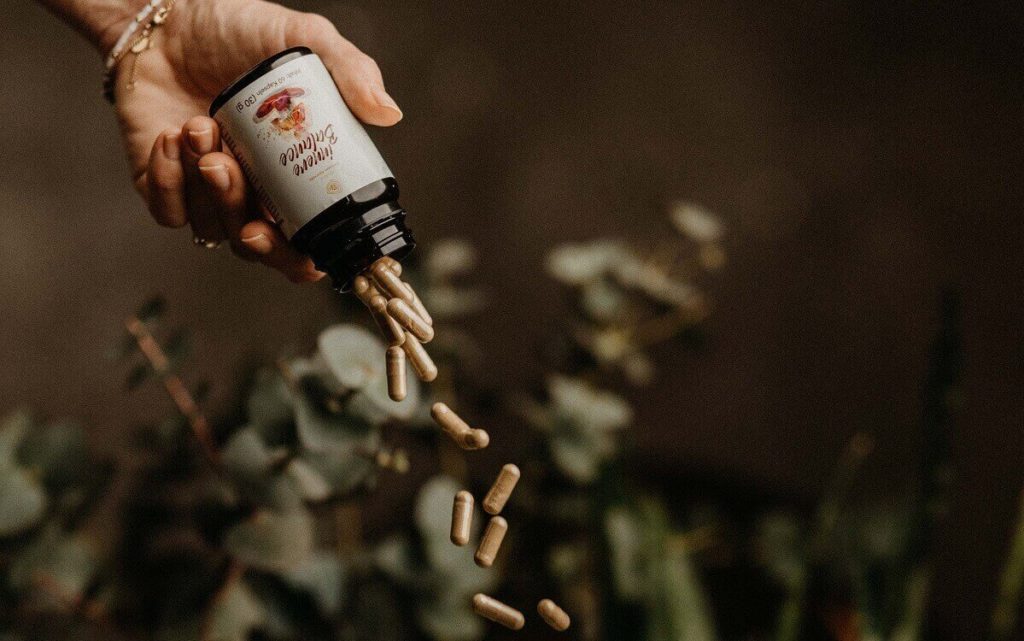
Discover high-quality nutritional supplements in our store now
To support a balanced diet, we recommend selected Ayurvedic food supplements and supplements.
Which Ayurvedic daily routines strengthen the immune system?
Dinacharya, the Ayurvedic daily routine, is the most practical part of the teachings and is effective precisely because it is practiced every day. These five elements can be easily incorporated into your daily life.
- Tongue cleaning in the morning: removes Ama buildup that accumulates overnight; takes 20 seconds.
- Drink warm water: it keeps your mucous membranes and digestive system working properly.
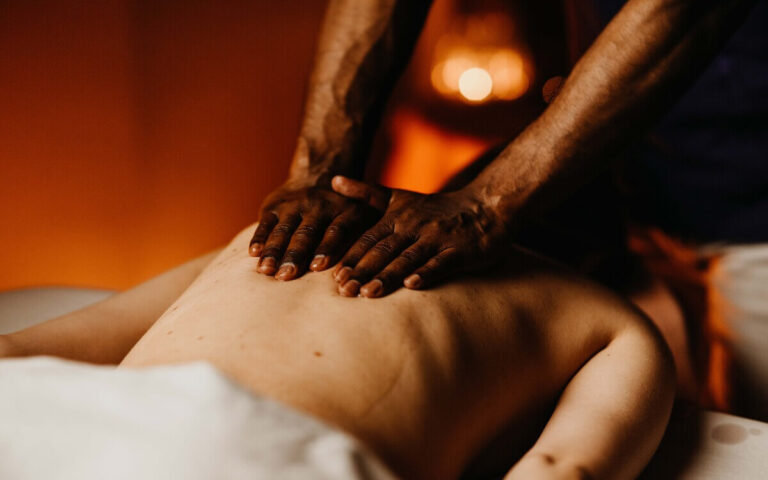
- Abhyanga, the oil massage: calms the autonomic nervous system and thus reduces stress.
- Nasya, the nasal oil: protects the nasal mucosa, especially in dry, heated air.
- Pranayama, conscious breathing: 10 minutes a day activates the parasympathetic nervous system.
In addition, an Ayurvedic diet tailored to your body type—featuring warm, cooked dishes and spices such as ginger, turmeric, cumin, and black pepper—can be beneficial.
Boosting the Immune System in Adults: What Matters at Each Stage of Life
Boosting the immune system at age 35 means something different than it does at age 55. Ayurveda focuses on stress responses rather than age groups anyway. That’s exactly how we structure our treatment programs as well.
| Situation | Typical pattern | A Sensible Focus |
| High Performers, Executives | Constant stress, short nights, and infections every time I try to rest | Stress Management, Sleep, Panchakarma |
| Women in Perimenopause and Menopause | Hormonal changes, sleep disturbances, increased susceptibility to infections | Rasayana Regimen, Longevity |
| Digestive and Metabolic Issues | Bloating, sluggishness, skin blemishes | Agni Regimen, Detox Program |
| After a prolonged illness or a course of antibiotics | Persistent fatigue, recurring infections | Intestinal health, gentle cleansing, medical supervision |
| Prevention for People 50 and Older | No symptoms yet, but wants to take preventive measures. | Longevity Programs, Exercise, Micronutrient Assessment |
Not sure what's right for you? The Treatment Finder will match you to one of the five European Ayurveda® lines based on six questions.
What weakens the immune system?
Often, subtracting is more effective than adding. The following factors have been shown to put a strain on your immune system, and most of them are within your control.
- Chronic sleep deprivation is the single most significant factor.
- Chronic stress without periods of recovery desensitizes immune cells to cortisol.
- Smoking destroys the cilia in the airways and dries out the mucous membranes.
- Regular alcohol consumption can impair the immune response for up to 24 hours after consumption.
- Overtraining reduces the number of circulating immune cells below baseline levels.
- Highly processed foods and large amounts of sugar negatively affect the composition of the gut microbiota.
- In stress research, social isolation is considered a risk factor in its own right.
How can you tell if your immune system is weakened?
A weakened immune system rarely manifests itself in dramatic ways. Typical signs include more than three or four infections per year, colds that last significantly longer than ten days, and illnesses that always seem to strike right after a stressful period ends.

In addition, there are nonspecific symptoms such as persistent fatigue despite getting enough sleep, slow-healing minor wounds, recurring cold sores, and frequent bladder or sinus infections.
These symptoms are not a substitute for a diagnosis. If you experience frequent, severe, or unusually long-lasting infections, you should first consult a doctor to determine whether there is a treatable underlying cause.
Boost Your Immune System at the European Ayurveda® Resort Sonnhof
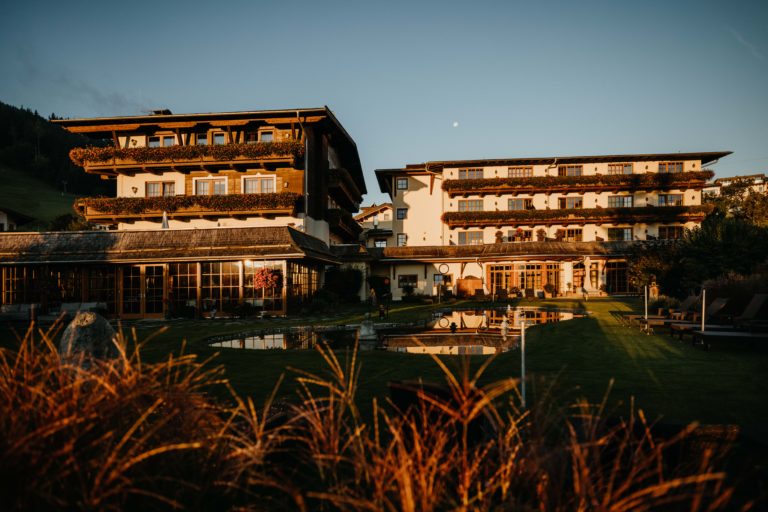
The Sonnhof is a family-run Ayurvedic wellness hotel in Hinterthiersee, Tyrol, located at 900 meters above sea level. Every Ayurvedic treatment program begins with a medical history review and pulse diagnosis by our team of experts led by Dr. Gaurav Sharma.
Three of our five European Ayurveda® lines are particularly important for building up the body’s defenses. Panchakarma is the most profound, medically structured cleansing treatment.
The detox program was named the world's best detox program at the 2024 and 2025 World Luxury Spa Awards; it is shorter in duration and focuses on metabolism.
The Longevity Program is designed for anyone who wants to take proactive steps rather than react to problems.
The kitchen uses ingredients from our family-owned Lindhof farm. In Ayurveda, freshly prepared, warm, and easily digestible food is the foundation for a strong Agni and, consequently, for Ojas.
"We're not offering you two weeks of rest. We'll show you the three things you need to do differently at home so your body can rebuild its reserves."
Elisabeth Naschberger-Mauracher, European Ayurveda expert and managing director of the European Ayurveda Resort Sonnhof in Tyrol
FAQ – Frequently Asked Questions About Boosting the Immune System
What boosts the immune system the fastest?
Getting enough sleep is the quickest way to boost your immunity. Just one week of getting seven to eight hours of sleep per night measurably reduces your susceptibility to infections. All other measures take weeks or even months to take effect.
How can I naturally boost my immune system?
The most beneficial combination is 7–8 hours of sleep, 30–45 minutes of moderate exercise five days a week, a daily relaxation routine, and a warm, fiber-rich diet.
What is the best way to boost the immune system?
There is no single "best" remedy. Vitamin D comes closest to fulfilling this role in the winter, because deficiency is common in Central Europe. However, its effect remains moderate and is no substitute for a healthy lifestyle. More important are healthy routines that strengthen the immune system over the long term.
How can I boost my immune system with home remedies?
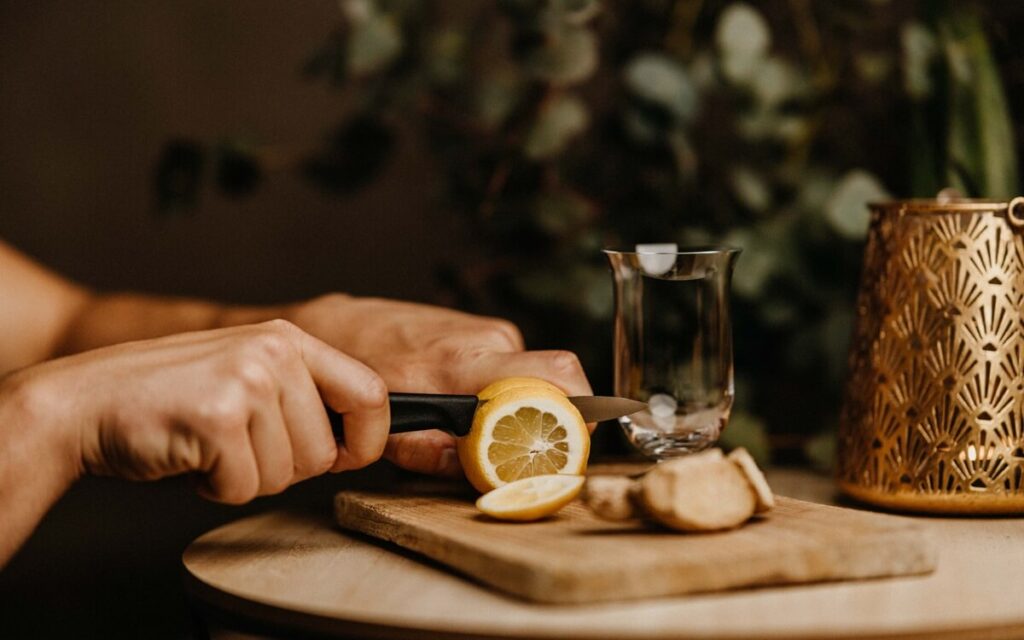
Regular sauna sessions are backed by the most robust evidence. Warm ginger or tulsi teas, staying well-hydrated to keep mucous membranes moist, and alternating hot and cold showers can also help. Chicken soup alleviates symptoms but has not been proven to boost the immune system.
How long does it take to build up the immune system?
With a healthy sleep routine, the first effects are noticeable after two to three weeks; however, reduced susceptibility to infections takes time and usually occurs after three to six months. The gut flora and the stress hormone system change slowly.
Can Ayurveda strengthen a weakened immune system?
Ayurveda addresses three underlying causes: digestive fire (Agni), regenerative reserves (Ojas), and stress. Studies have shown that Rasayana herbs such as Guduchi and Ashwagandha have immunomodulatory effects. While Ayurveda does not replace conventional medical evaluation, it serves as a valuable complement to it.
Which Ayurvedic treatment is best for frequent infections?
For fatigue and recurring infections, we at Sonnhof usually recommend a Panchakarma or Rasayana treatment lasting at least seven nights. For digestive and metabolic issues, the detox treatment is the better place to start. Our team of doctors will make the decision after a pulse diagnosis. Alternatively, you can take the treatment finder quiz in advance.
When should I see a doctor if I'm getting frequent infections?
If you have more than four infections per year, if your colds last longer than two weeks, if they are unusually severe, or if you also experience fever, weight loss, or night sweats.
Sources
scholarly sources
(1) Prather, A. A. et al. (2015): Behaviorally Assessed Sleep and Susceptibility to the Common Cold. SLEEP 38(9). https://pubmed.ncbi.nlm.nih.gov/26118561/
(2) Nieman, D. C. et al. (2011): Upper respiratory tract infections are less common in physically fit and active adults. British Journal of Sports Medicine. https://pubmed.ncbi.nlm.nih.gov/21041243/
(3) Jolliffe, D. A. et al. (2021): Vitamin D supplementation to prevent acute respiratory infections. The Lancet Diabetes & Endocrinology. https://www.thelancet.com/journals/landia/article/PIIS2213-8587(21)00051-6/fulltext
(4) Cohen, S. et al. (2012): Chronic stress, glucocorticoid receptor resistance, inflammation, and disease risk. PNAS 109(16). https://www.pnas.org/doi/10.1073/pnas.1118355109
(5) Kunutsor, S. K. et al. (2017): Sauna bathing reduces the risk of respiratory diseases: a long-term prospective cohort study. European Journal of Epidemiology. https://pubmed.ncbi.nlm.nih.gov/28905164/
(6) Dhama, K. et al. (2017): Medicinal and Health Benefits of Tinospora cordifolia (Guduchi): A Miraculous Herb That Combats Various Diseases and Disorders and Its Immunomodulatory Effects. https://pubmed.ncbi.nlm.nih.gov/28260522/
(7) Tharakan, A. et al. (2021): Immunomodulatory Effect of Withania somnifera (Ashwagandha) Extract – A Randomized, Double-Blind, Placebo-Controlled Trial with an Open-Label Extension in Healthy Participants. Journal of Clinical Medicine 10(16). https://www.ncbi.nlm.nih.gov/pmc/articles/PMC8397213/
(8) Shukla, V. (2012): Evaluation of the antioxidant profile and activity of amalaki (Emblica officinalis), spirulina, and wheatgrass. https://pubmed.ncbi.nlm.nih.gov/23105810/
(9) Rogler, G. / ARS MEDICI (2014): The Gut Can Do More Than Just Digest Food. https://www.rosenfluh.ch/media/arsmedici/2014/04/Darm_und_Immunsystem.pdf
(10) University Hospital Zurich (2025): Dry Nasal Mucosa: What Helps. https://www.usz.ch/was-hilft-gegen-eine-trockene-nase-und-was-eher-nicht/
(11) München Klinik (2020): A Strong Immune System—A Strong Defense Against the Flu. https://www.muenchen-klinik.de/infektionen-immunsystem-immunkrankheit/grippe/infektionsschutz-immunsystem/