Last updated on April 22, 2026
Tongue cleaning and oil pulling have always been part of the Ayurvedic morning routine. They are also becoming increasingly popular in the Western world. Their beneficial effects help with bad breath and sensitive gums.
The Basics: What Is Oil Pulling?
Oil pulling (Sanskrit: Gandusha or Kavala) involves swishing a tablespoon of vegetable oil in the mouth for 10 to 20 minutes in the morning and then spitting it out. Traditionally, sesame oil is used for this purpose, but other high-quality oils are also suitable. Combined with tongue scraping, oil pulling forms the cornerstone of Ayurvedic oral hygiene.
Oil pulling can reduce bacteria in the mouth. It can help alleviate bad breath, strengthen the gums, and prevent cavities. It is therefore a great complement to brushing your teeth, but it cannot replace it.
Read more on this topic:
- What Is Ghee? Benefits, Uses, and How to Make It
- Regulating the Nervous System with Ayurveda: 4 Tips
- Ayurveda for Migraines: 5 Helpful Tips
- Ayurvedic Skincare: 10 Tips for Beautiful Skin
- Ayurveda Detox: How Ayurvedic detoxification works!
Oil Pulling: Origins and Significance in Ayurveda
Oil pulling is already described in the Charaka Samhita, the oldest Ayurvedic text. It lists numerous conditions that regular oil pulling is said to help alleviate. These range from relieving headaches and improving bleeding gums to reducing bad breath.
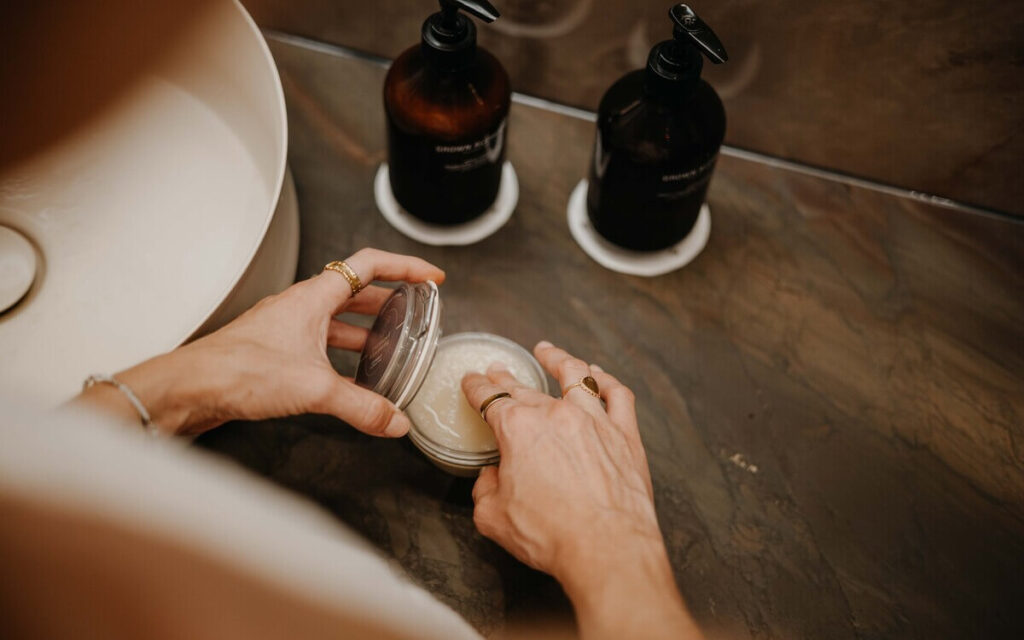
In Ayurveda, the mouth is much more than just the gateway for food intake. It is considered a mirror of the entire body. The tongue is viewed as a reflex zone through which all internal organs are connected to the oral system. This means that, according to Ayurvedic principles, a healthy oral cavity also supports the well-being of the entire body.
In German-speaking countries, oil pulling became widely known primarily through the Ukrainian physician Dr. Fedor Karach, who introduced the practice at a medical conference in the 1990s. Since then, it has become an integral part of holistic health routines. Here at the Sonnhof, we also practice it as part of our daily morning routine.

“Oil pulling is a simple ritual in Ayurveda with powerful benefits. When done correctly, it can support oral health and help you start your day on the right foot.”
Deepa Naik, Ayurveda specialist at the European Ayurveda Resort Sonnhof in Tyrol
What are the benefits of oil pulling? Here’s what science and studies say
According to Ayurvedic tradition, the oil binds toxins, harmful bacteria, and metabolic waste (known as “ama”) from the mouth. These are then expelled when the oil is spat out. But what does modern science have to say about this?
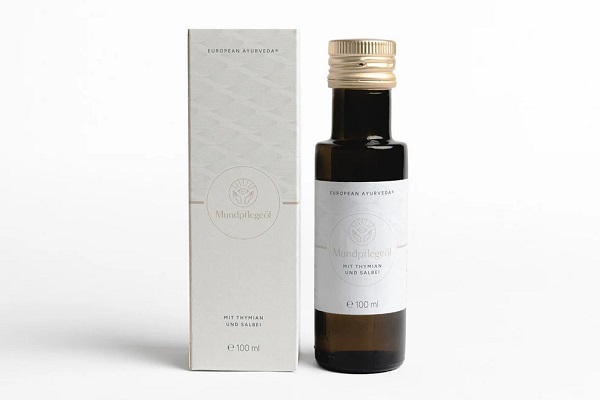
Discover our premium European Ayurveda oral care oil now
It helps improve oral hygiene, detoxify the body, and boost overall health.
While the systemic detoxification effects have not yet been conclusively proven scientifically, studies on oil pulling and oral health show promising results:
- A study published in the Journal of Ayurveda and Integrative Medicine showed that regular oil pulling can reduce the number of Streptococcus mutans—one of the main causes of tooth decay—by up to 20% within 40 days. (1)
- A 2022 meta-analysis summarizing nine randomized controlled trials concluded that oil pulling can significantly reduce the total number of bacteria in saliva. (2)
- As early as 2011, Indian researchers demonstrated in the *Indian Journal of Dental Research* that oil pulling causes the oil to emulsify and saponify in the mouth. This mechanism contributes to its cleansing and disinfecting effects. (3)
According to research, oil pulling is considered a helpful complementary measure for oral care. It is not a substitute for brushing your teeth or professional dental cleanings, but it is an extremely effective supplement.
An Overview of the Effects of Oil Pulling on Teeth and Oral Health
Regular oil pulling can have the following benefits:
- Reduce bad breath: The oil binds to the bacteria responsible for bad breath.
- Strengthen your gums: The chewing and sucking motions massage the gums and improve blood flow—helping to stabilize loose teeth.
- Preventing tooth decay: Reducing the number of cavity-causing bacteria can lower the risk of tooth decay in the long term.
- Relieving gum inflammation: Some studies show an anti-inflammatory effect in the oral cavity.
- Reducing dental plaque: The mechanical movement of the oil between the teeth helps remove plaque.
- Caring for the oral mucosa: The oil has a moisturizing and protective effect, especially during dry seasons.
Oil pulling – which oil is the right one?
The classic Ayurvedic recommendation is: aged sesame oil. Oil pulling with sesame oil has a tradition dating back thousands of years in Ayurveda; it is considered particularly nourishing for the gums and contains valuable polyphenols as well as vitamin E. These protect the tissue and help prevent inflammation.
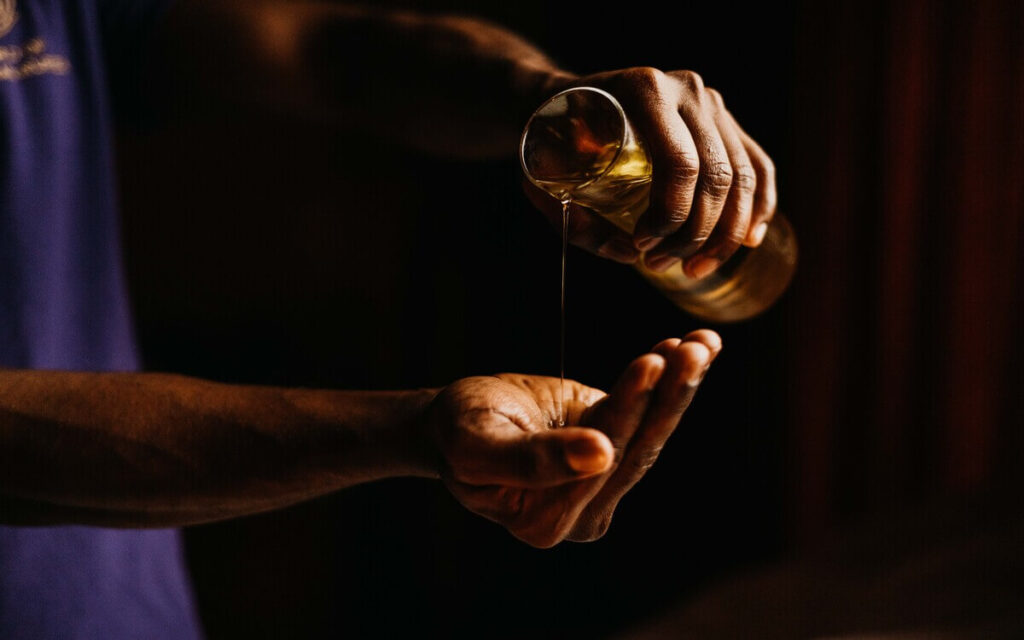
But there are several good options—here’s an overview:
- Sesame oil is the traditional Ayurvedic choice. It penetrates deeply into the tissue, strengthens the gums, and has antibacterial properties. Use cold-pressed, unroasted, organic sesame oil.
- Coconut oil mouthwash is particularly popular because its slightly sweet taste makes it easy to get used to. It contains lauric acid, a fatty acid with powerful antimicrobial properties. Recent studies (4) confirm a significant reduction in bacteria and viruses, as well as a soothing effect on the gums.
- Sunflower oil has a mild flavor, is easy to digest, and is available in locally sourced organic quality. It is ideal for beginners.
- Oil pulling with olive oil is also an option, and thanks to its high antioxidant content, it has anti-inflammatory properties. However, its strong flavor is a matter of personal preference.
An important consideration when choosing oil: It should always be virgin (cold-pressed), high-quality, and preferably organic. Low-quality oil may contain harmful residues that you inadvertently ingest during oil pulling.
Oil Pulling with Coconut Oil: Unique Features and Benefits
Coconut oil pulling has gained significant popularity in recent years—especially in the Western wellness scene. Coconut oil is solid at room temperature and liquid when slightly warmed, making it easy to use.
Its main advantage lies in its high lauric acid content. This medium-chain fatty acid has not only antibacterial but also antifungal and antiviral properties. This combination is particularly interesting from a scientific perspective: studies suggest that coconut oil can be as effective as chlorhexidine mouthwashes in certain applications. Unlike chlorhexidine, it does not cause side effects such as tooth discoloration or taste disturbances. (5)
For anyone who doesn't like the strong sesame flavor, coconut oil is the best alternative.
Olive oil for oil pulling: A good alternative?
Although olive oil is not the first choice in the Ayurvedic tradition, it is still a viable option. It is particularly suitable for people who do not like the taste of either sesame oil or coconut oil.
Olive oil is rich in oleic acid and antioxidants such as polyphenols, which have anti-inflammatory properties and can help protect your gums. It’s important to use only high-quality, cold-pressed extra virgin olive oil.
The strong, distinctive flavor of olive oil takes some getting used to. Those who appreciate it can easily use olive oil as their daily oil for oil pulling.
How do you do oil pulling? A step-by-step guide
Oil pulling is easier than it sounds. With a little practice, it becomes a ritual that comes naturally to you in the morning.
1. Clean your tongue first: Before you start oil pulling, clean your tongue with a metal tongue scraper. Run it from back to front across your tongue and rinse the scraper with water after each stroke. Avoid plastic scrapers, as they can introduce microplastics into your mouth. Copper or silver scrapers are recommended.
2. Swish oil in your mouth: Before taking your first sip of water, swish a tablespoon of oil in your mouth. Beginners can start with a teaspoon.
3. Swish the oil: Swish the oil through your teeth, moving it from one side of your mouth to the other and back and forth throughout your entire mouth. The ideal duration for oil pulling is 10 to 20 minutes. If possible, do not go below this time, as this is the minimum required for the oil to penetrate the gum pockets and bind the bacteria there.

4. Spit out the oil —do not swallow it! After swishing, the oil is saturated with bacteria, toxins, and dead skin cells and must not be swallowed under any circumstances. It’s best to spit it into a tissue or a small paper cup. Please do not spit it into the sink or toilet, as the oil can clog the drains.
5. Rinse your mouth and brush your teeth: Rinse your mouth thoroughly with warm water, use the tongue scraper again if needed, and then brush your teeth as usual.
Tip: Oil pulling can easily be combined with other morning rituals—you can shower, prepare your Ayurvedic breakfast, or do meditation exercises at the same time.
How often should you change the oil, and when is the best time to do it?
The traditional Ayurvedic recommendation is to do this daily, in the morning, before your first meal and before brushing your teeth. The reason is obvious: millions of bacteria accumulate in the mouth overnight. Morning oil pulling removes them before they enter the digestive tract with breakfast.
If you don’t have time to do it every day, you can incorporate oil pulling into your routine one to three times a week and gradually increase the frequency. Even three to five minutes have a demonstrable effect—though doing the full 20 minutes yields significantly better results.
It is recommended that you follow the program for a period of four weeks to three months in order to see lasting results.
Are there any side effects associated with oil pulling?
No negative or harmful side effects have been identified with oil pulling. Compared to alcohol-based mouthwashes, which can dry out the mucous membranes, oil pulling is a gentle and natural method.
Here are a few things to keep in mind:
- Do not swallow: The oil binds bacteria and toxins—it should not be swallowed.
- No substitute for the dentist: For existing dental or gum conditions such as cavities or periodontitis, oil pulling can complement dental treatment but cannot replace it.
- Initial gag reflex: A tablespoon of oil can feel strange at first, especially for beginners. Start with less oil and a shorter duration, and gradually work your way up.
- Pay attention to oil quality: Low-quality oil or oil that has been heated too much may contain residues. Always choose organic extra virgin olive oil.
Tongue Cleaning: The Underrated Part of the Routine
Tongue cleaning is the often-overlooked first step, but it’s just as important as oil pulling itself.

During the night , the body works to eliminate metabolic waste (ama), including through the tongue. When you look in the mirror in the morning, you can see this process at work: the whitish or yellowish coating on your tongue is nothing more than eliminated ama. Simply sending this back into the intestines with your first meal of the day would be counterproductive.
Tongue cleaning takes less than a minute and has the following benefits:
- It removes bacteria and toxins that have accumulated overnight.
- It effectively reduces bad breath because most of the odor-causing bacteria are found on the tongue.
- It stimulates the reflex zones of the tongue and, according to Ayurvedic principles, thereby stimulates the digestive organs.
- It enhances the sense of taste because there are no longer any residues between the tongue and the food.
The best order to follow in the morning is: first clean your tongue, then oil pull, then brush your teeth.
Oil pulling as part of the Ayurvedic morning routine (Dinacharya)
In Ayurveda, the daily morning routine is called Dinacharya, and it is much more than just a checklist. It is a mindful practice that allows you to start your day in harmony with your body and its natural rhythms.

Tongue cleaning and oil pulling are two of the key elements of this routine. They are ideally complemented by warm water with lemon, a gentle self-massage with oil (Abhyanga), as well as yoga and pranayama. These are breathing exercises that stimulate the digestive fire, Agni.
The underlying principle: In Ayurveda, a healthy Agni is considered the foundation of all health. According to Ayurvedic teachings, those who consciously cleanse and activate their bodies in the morning lay the groundwork for a clear-headed, productive day.
At Sonnhof, our Ayurveda experts will guide you step by step in developing your own personal morning routine—tailored to your dosha and your daily life.
FAQ: Frequently Asked Questions About Oil Pulling
What is oil pulling, and what are its benefits?
In oil pulling (Gandusha), a tablespoon of vegetable oil is swished around in the mouth for 10 to 20 minutes. The oil binds to bacteria, toxins, and waste products (Ama) in the mouth, which are then removed when the oil is spat out. Proven benefits include fresher breath and improved oral flora.
Which oil is best for oil pulling?
In Ayurveda, sesame oil (cold-pressed, unroasted) is traditionally recommended. Alternatively, coconut oil, sunflower oil, or olive oil are particularly suitable. As a general rule, always use high-quality organic virgin oil; never use refined oil.
How long and how often should you practice oil pulling?
The ideal duration is 15 to 20 minutes a day, preferably in the morning before breakfast and before brushing your teeth. Beginners can start with 5 minutes and gradually increase the duration. A course of treatment lasting four weeks to three months is recommended.
Are there any side effects to oil pulling with coconut oil?
To date, no adverse side effects have been reported. However, the oil should not be swallowed, as it contains bacteria and toxins. Those who are new to oil pulling may experience a slight gag reflex at first—this will subside over time. If you have dental issues, you should consult your dentist before starting.
Why is tongue cleaning so important?
Overnight, the body eliminates metabolic waste (ama) through the tongue. The visible coating in the morning should be removed with a metal scraper. Tongue cleaning reduces bad breath, stimulates the digestive organs, and improves the sense of taste. It takes less than a minute and is the ideal first step in an Ayurvedic morning routine.
Can oil pulling permanently eliminate bad breath?
Yes, oil pulling can effectively reduce bad breath—since most of the odor-causing bacteria are found in the mouth, on the tongue, and between the teeth. Regular use is important.
What does the Sonnhof recommend regarding oil pulling and the Ayurvedic morning routine?
At the Sonnhof Resort, the Ayurvedic morning routine—including tongue scraping and oil pulling—is part of the holistic European Ayurveda® approach. During our treatments and programs, our experts teach guests how to incorporate these rituals into their daily lives on a long-term basis.
Sources
(1) Naseem M, Khiyani MF, Nauman H, Zafar MS, Shah AH, Khalil HS. Oil pulling and the importance of traditional medicine in maintaining oral health. Int J Health Sci (Qassim). 2017 Sep–Oct;11(4):65–70. PMID: 29085271; PMCID: PMC5654187.
(2) Peng TR, Cheng HY, Wu TW, Ng BK. Effectiveness of Oil Pulling for Improving Oral Health: A Meta-Analysis. Healthcare (Basel). 2022 Oct 11;10(10):1991. doi: 10.3390/healthcare10101991. PMID: 36292438; PMCID: PMC9602184.
(3) Asokan, S., Rathinasamy, T. K., Inbamani, N., Menon, T., Kumar, S. S., Emmadi, P., & Raghuraman, R. (2011). Mechanism of oil-pulling therapy – an in vitro study. Indian Journal of Dental Research, 22(1), 34–37. doi: 10.4103/0970-9290.79971
(4) Pardiñas López, S., García-Caro, M.E., Vallejo, J.A., et al. Anti-inflammatory and antimicrobial efficacy of coconut oil against periodontal pathogens: a triple-blind randomized clinical trial. Clin Oral Invest 29, 182 (2025). doi: 10.1007/s00784-025-06267-8
(5) Sezgin Y, Memis Ozgul B, Alptekin NO. Efficacy of oil pulling therapy with coconut oil on four-day supragingival plaque growth: A randomized crossover clinical trial. Complement Ther Med. 2019 Dec;47:102193. doi: 10.1016/j.ctim.2019.102193. Epub 2019 Sep 4. PMID: 31780023.