Last updated on April 22, 2026
Pranayama, the yogic breathing practice, shows you how to use your breath consciously to gain clarity, calm, and renewed energy. Here, you’ll learn exactly what it entails and which exercises are particularly effective.
The Essentials in Brief: Pranayama as a Conscious Practice
Pranayama is the conscious control of the breath through yoga. The term comes from Sanskrit: Prana means life energy, and Ayama stands for control or expansion.
- Pranayama prepares you for meditation.
- Regular practice can reduce stress, calm the nervous system, increase lung capacity, and improve mental clarity.
- Well-known techniques: Nadi Shodhana (alternate nostril breathing), Bhramari (bee breath), Kapalabhati (fire breathing), and Ujjayi (victorious breath).
- Even beginners to pranayama can get started right away—many exercises don’t require any prior experience with yoga.
- In Ayurveda, pranayama helps balance the doshas and supports the digestive fire, Agni.
Read more on this topic:
- 6 popular meditation exercises for beginners
- Ojas in Ayurveda: How to Boost Your Vital Energy
- Tummo Meditation: Ignite the Fire
- Regulating the Nervous System with Ayurveda: 4 Tips
- Instructions for Walking Meditation
The Meaning of Pranayama: What Does the Term Mean?
The term is composed of two Sanskrit words: Prana refers to the universal life energy inherent in all living things, and Ayama means control or expansion. Pranayama thus refers to the conscious regulation and deepening of life energy through specific breathing techniques.
In classical yoga according to Patanjali, pranayama is the fourth step in the eight-limbed path, coming immediately after the physical postures (asanas). This order is no coincidence: only when the body has been relaxed through the asanas can the breath truly flow freely and prepare the mind for meditation.
Breathing techniques originated around 5,000 years ago as an integral part of yoga. They were already described in ancient Indian texts such as the Hatha Yoga Pradipika. What was intuitive wisdom back then is now confirmed by modern science: targeted breath control influences the autonomic nervous system and thus has a direct effect on stress responses, sleep, and emotional balance.

“Pranayama demonstrates how powerfully conscious breathing affects the body and mind. Breathing not only helps build new energy but also promotes inner peace.”
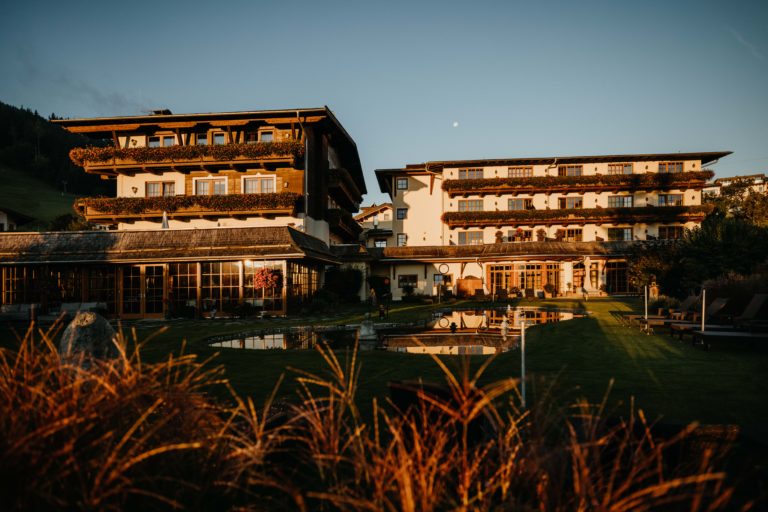
Elisabeth Naschberger-Mauracher, European Ayurveda expert and managing director of the European Ayurveda Resort Sonnhof in Tyrol
Pranayama and Ayurveda – a deep connection
In Ayurveda, pranayama is considered much more than just a form of physical breathing exercises. Controlled breathing harmonizes the three constitutional types —Vata, Pitta, and Kapha—and strengthens the digestive fire, Agni.
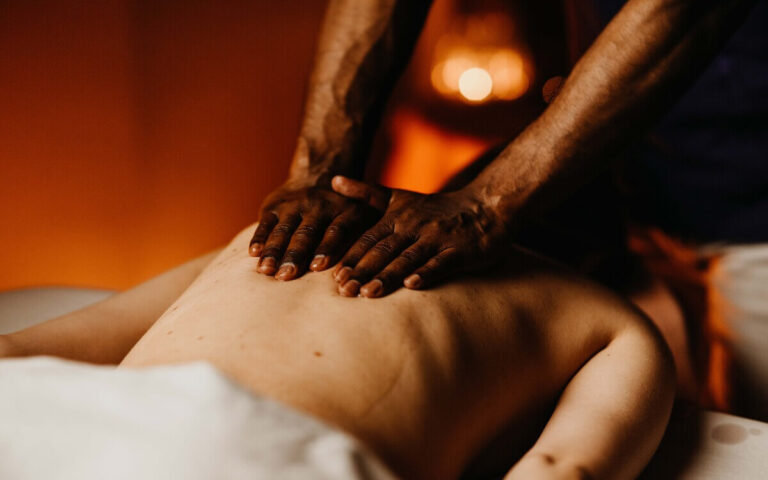
At Sonnhof, pranayama is an integral part of the treatments: this breathing practice calms the nervous system and thus prepares the body for the profound effects of Ayurvedic therapies.
Agni particularly benefits from regular pranayama practice. Kapalabhati, in particular, generates warm energy in the core of the body and noticeably stimulates the digestive fire.
The Effects of Pranayama: What Happens in the Body and Mind?
You take about 25,000 breaths every day—most of which we barely notice. Over time, stress, poor posture, and tension cause these breaths to become shallower and shorter. The result: the body doesn’t get enough oxygen, leading to fatigue and restlessness.
This is exactly where pranayama breathing comes in. These breathing exercises help you return to a natural, deep breathing pattern —and this has a direct effect on the nervous system.
Calming techniques such as Bhramari or Nadi Shodhana emphasize a long exhalation. This activates the parasympathetic nervous system, the part of the nervous system responsible for rest and recovery. Heart rate and blood pressure drop, allowing the body to enter a state of rest.
Activating techniques like Kapalabhati, on the other hand, emphasize inhalation and stimulate the sympathetic nervous system. Alertness and concentration increase, which clears your mind.
Studies confirm these effects: Regular pranayama practice improves heart rate variability, reduces anxiety and stress levels, and can even alleviate depressive moods. (1)
Deep, conscious exhalation also has a detoxifying effect: the body eliminates carbon dioxide and metabolic waste products through the lungs. This effect is specifically harnessed in the Ayurvedic treatments at Sonnhof, as pranayama enhances the detoxifying effect during the treatment.
Pranayama Exercises: 5 Techniques, from Easy to Intensive
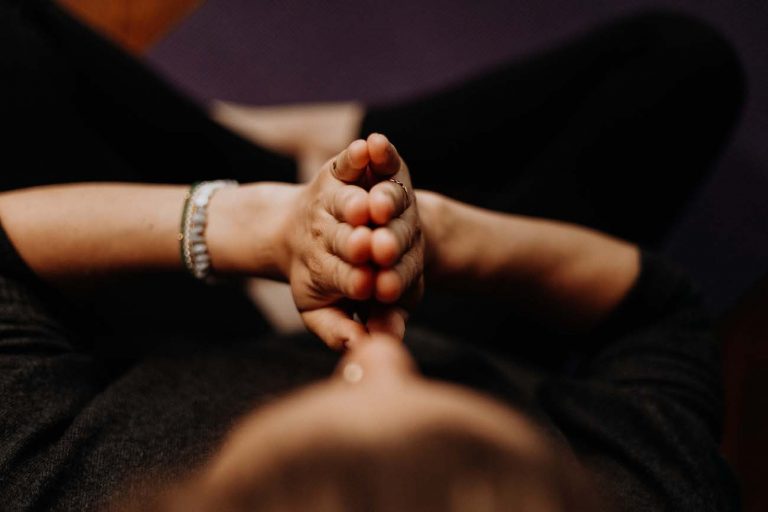
Whether you’re just starting out with breathing exercises and yoga or already have a regular practice—the following pranayama exercises are easy to incorporate into your daily routine. Always begin in a comfortable, upright seated position and first observe your natural breathing rhythm before starting the techniques.
1. Dirgha Pranayama – Deep abdominal breathing
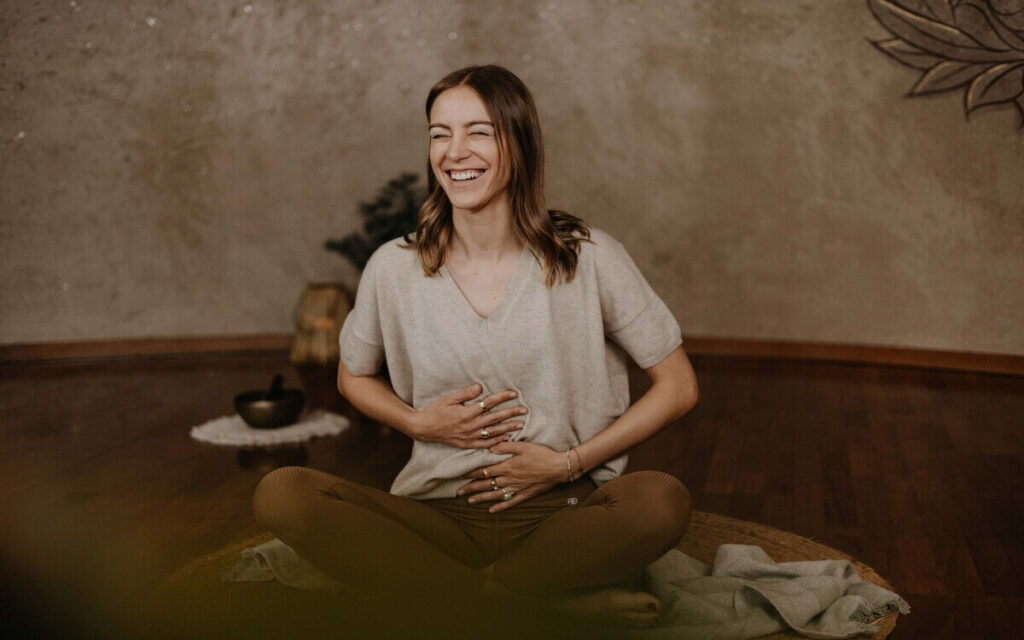
Dirgha Pranayama, or deep abdominal breathing, is particularly well-suited for beginners. Take a deep breath in through your nose, allowing the breath to fill your abdomen first, then your chest. Then exhale slowly and completely through your nose.
Just a few minutes a day are enough to calm the nervous system and noticeably improve oxygen supply.
2. Nadi Shodhana – Alternate Nostril Breathing
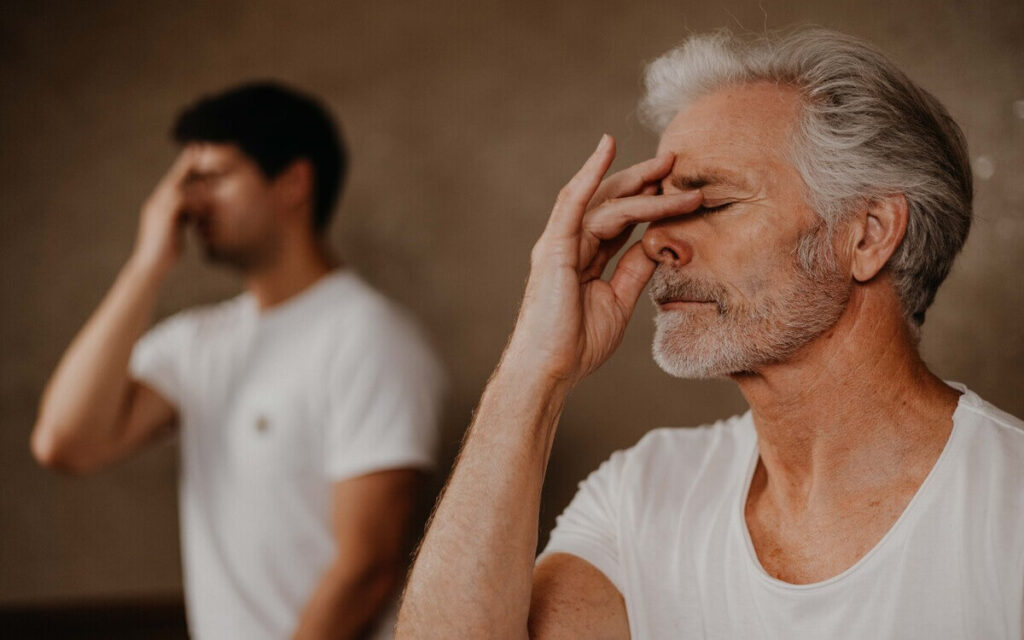
Nadi means energy channel, and Shodana means purification. This technique cleanses the subtle energy channels and brings the left and right hemispheres of the brain into balance. Use your right thumb to close your right nostril and take a deep breath in through the left. Then switch: open the right nostril, close the left, and exhale through the right.
Nadi Shodhana has a balancing effect on the nervous system and helps calm the mind. Vata types in particular benefit from this technique because it gently soothes the restlessness characteristic of this dosha.
3. Bhramari Pranayama – Bee Breath
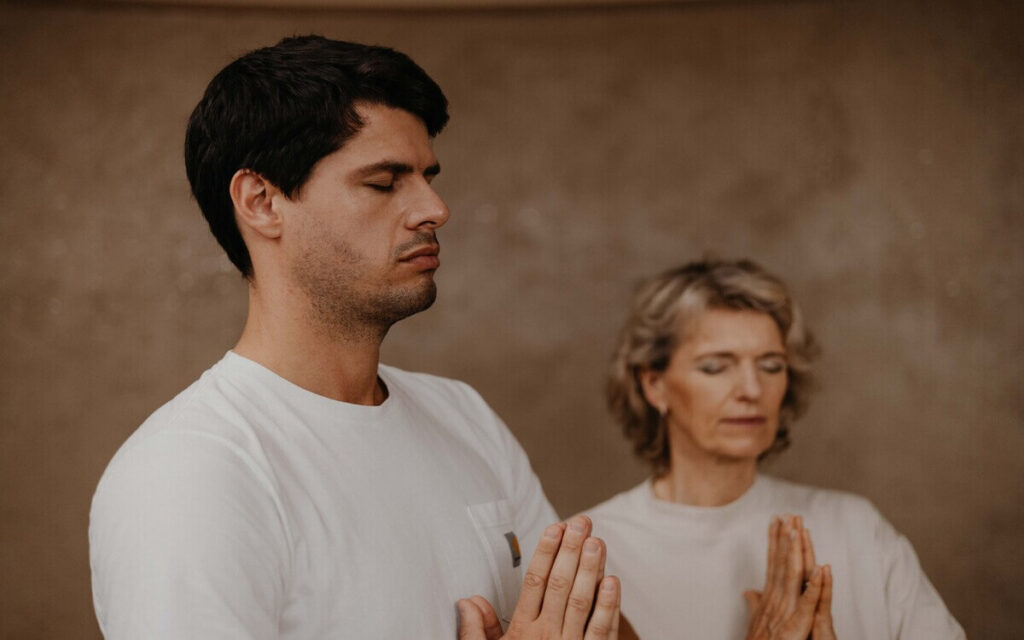
Bhramari (Sanskrit for “big black bee”) is one of the simplest yet most profound pranayama techniques. To practice it, take a deep breath in through your nose and, as you exhale, produce a soft, steady humming sound—similar to the buzzing of a bee. The resulting vibration should permeate your head, neck, and chest.
Bhramari is the quickest way to calm a restless mind. The vibrations from the humming have a direct effect on the nervous system, which can be felt after just a few breaths.
4. Kapalabhati – Fire Breathing
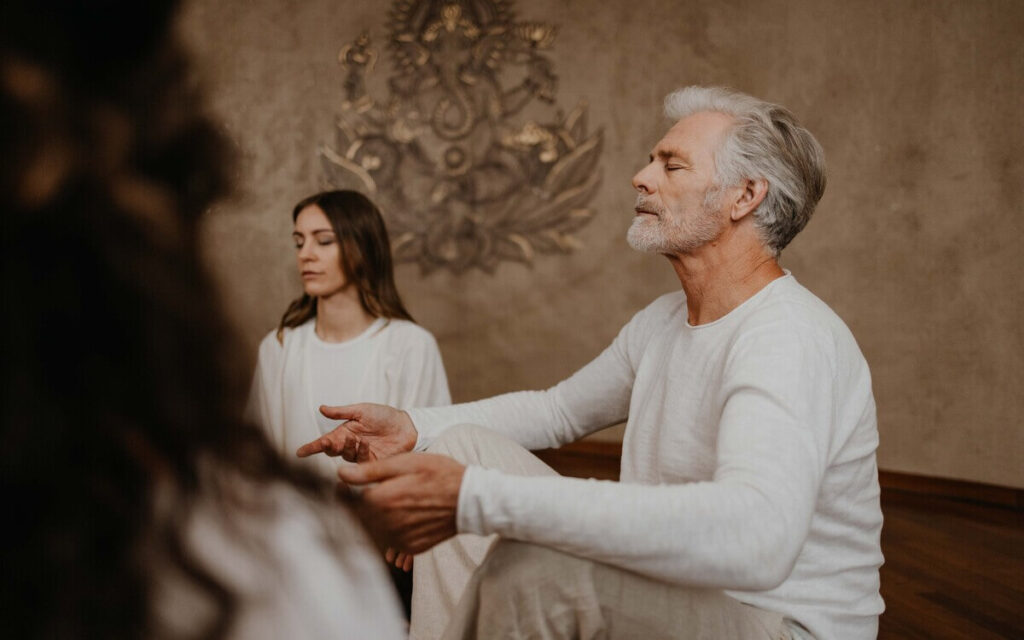
Fire breathing is a stimulating, cleansing breathing technique. Short, forceful exhalations through the nose alternate with passive inhalations. Start slowly, with about one breath per second, and increase the pace after a few weeks of practice.
Kapalabhati is particularly well-suited for the morning: the forceful exhalations clear the airways, stimulate the digestive fire (Agni), and leave you feeling much more alert.
5. Ujjayi – Victorious Breathing
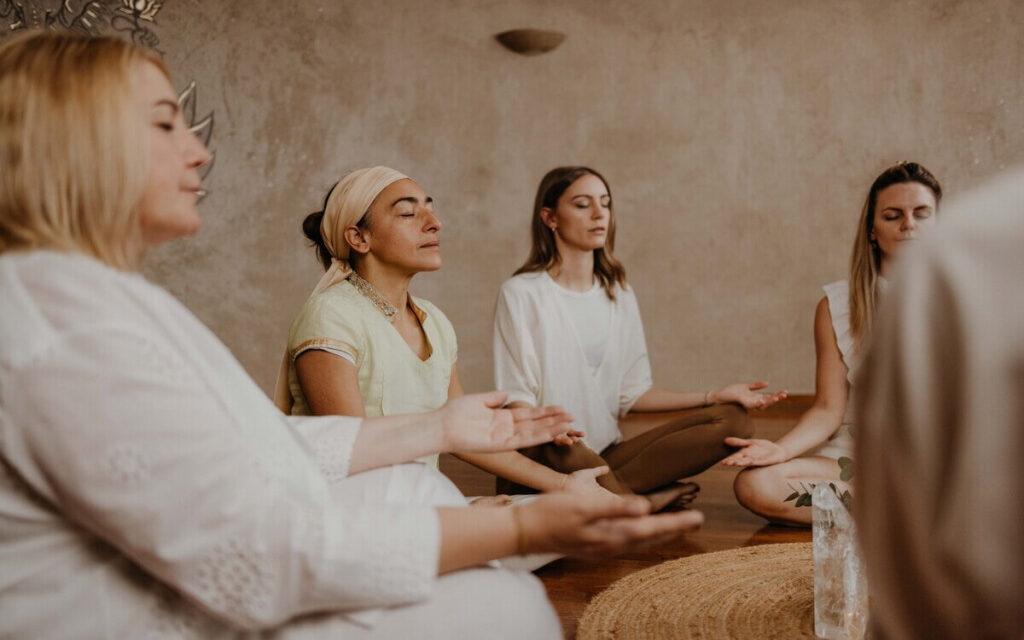
Ujjayi breathing creates a gentle sound like the sound of the ocean by slightly constricting the throat. This technique is traditionally practiced alongside asanas, but it can also be done as a standalone exercise.
The gentle, ocean-like sound of Ujjayi breathing has an almost meditative effect: it centers the mind, promotes the generation of heat in the body, and naturally complements the practice of asanas.
Pranayama for Beginners: How to Get Started Successfully
The most common mistake when starting a pranayama practice: trying to do too much at once. It’s better to start small and begin with five minutes a day. That’s more valuable than a single hour once a week.
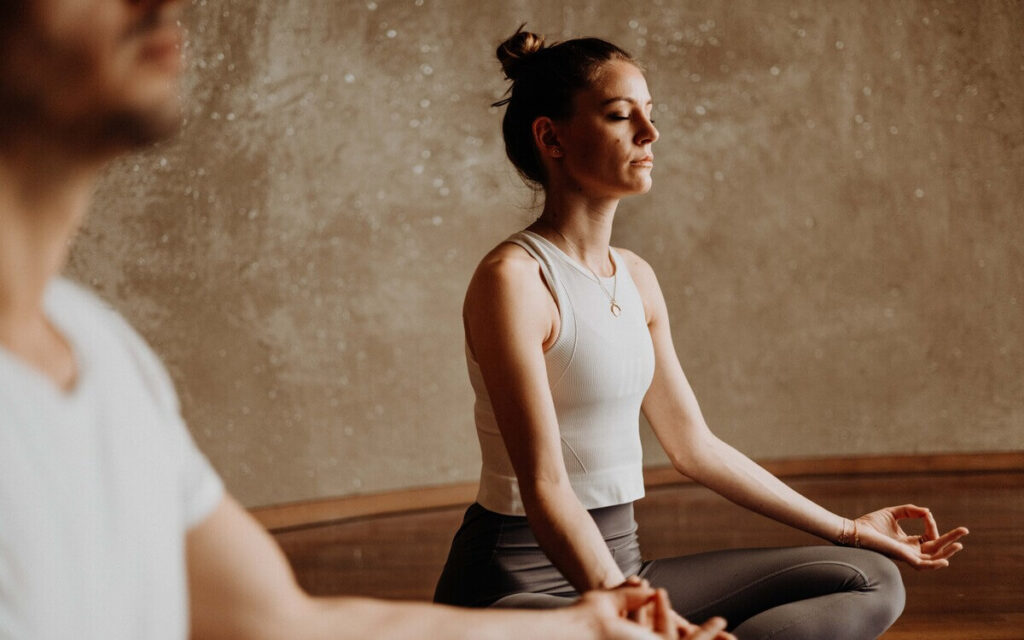
Here are the most important tips for beginners to pranayama:
- Upright posture: Sit on a chair, a meditation cushion, or the floor. The main thing is to keep your spine straight so that your breath can flow freely.
- Breathe through your nose whenever possible: Your nose filters, warms, and moistens the air you breathe. Breathe in and out through your nose whenever possible.
- Don't eat beforehand: Ideally, exercise on an empty stomach or at least two hours after a meal.
- Build up slowly: Start with simple techniques like abdominal breathing or Bhramari before practicing Kapalabhati or breath retention.
- Listen to your body: Dizziness, tension, or discomfort are signs that you should stop the exercise. Pranayama should always feel comfortable.
The best time to practice is in the morning, shortly after waking up. Just three deep breaths, with a deliberately prolonged exhalation, can lower your heart rate and help you start your day more calmly.
Pranayama and Yoga: Integrating Them into a Holistic Practice
In classical yoga, pranayama follows the asanas and leads into meditation. This sequence is carefully chosen: the physical exercises release tension, allowing the breath to flow more deeply and helping the mind find stillness more easily.
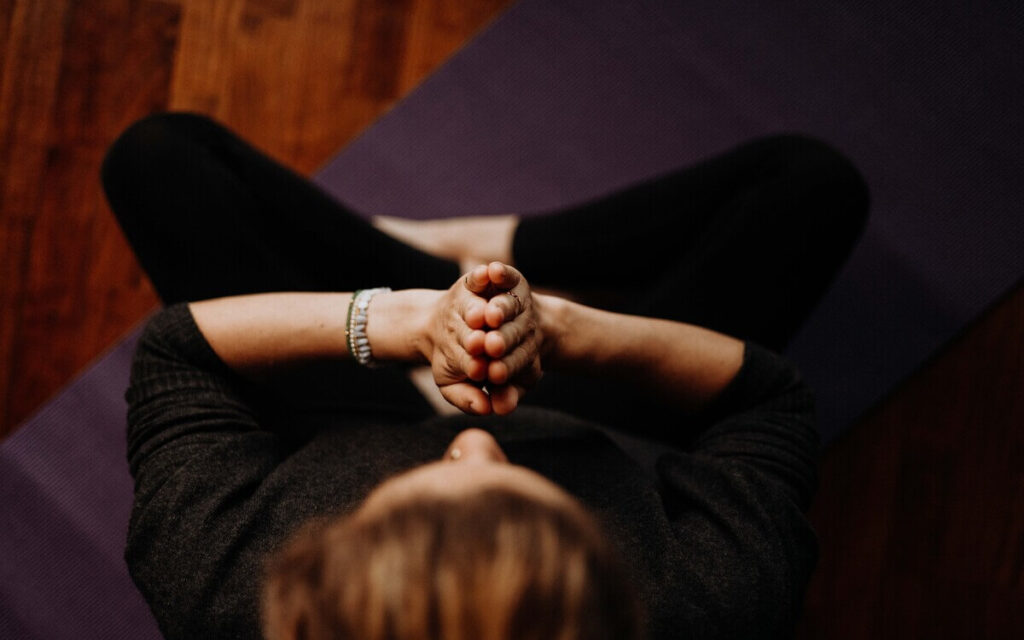
At Sonnhof, this very understanding of yoga and pranayama is put into practice. The yoga programs combine asanas, pranayama, and meditation into a harmonious whole—rooted in the philosophy of European Ayurveda®.
Pranayama can just as easily be practiced without yoga poses. All you need is a quiet place and a few minutes of your time.
Achieve Greater Ease and Holistic Health Through Pranayama
Those who practice regularly will quickly notice that just five minutes a day can change how they respond to stress and promote overall well-being. Whether as a morning ritual or during the day, the benefits become apparent after just a few breaths. Consistency matters more than duration: Those who practice for five minutes a day will develop a noticeably more stable stress response over the course of weeks than someone who occasionally does long sessions.
At Sonnhof, experienced therapists and yoga instructors will guide you on your journey—immersed in the holistic power of European Ayurveda®. If you’d like to experience how pranayama works in combination with Ayurvedic treatments, we’d be happy to advise you personally.
FAQ: Frequently Asked Questions About Pranayama
What is pranayama?
Pranayama is the yogic practice of conscious breath control. The term comes from Sanskrit: "prana" means life energy, and "ayama" means control and expansion. Through specific breathing techniques, you learn to actively direct your own life energy, regulate your nervous system, and calm your mind.
What does "Pranayama" mean in English?
Pranayama can be translated as “control of life energy through the breath.” Prana means life energy or breath, while ayama refers to expansion, control, or regulation. It refers to the conscious, deliberate control of the flow of breath—going far beyond simply inhaling and exhaling.
Which pranayama exercises are suitable for beginners?
Deep abdominal breathing (Dirgha Pranayama) and Bhramari (bee breath) are particularly well-suited for beginners—both are easy to learn, safe, and have an immediately noticeable calming effect. Alternate nostril breathing (Nadi Shodhana) is also accessible to beginners, provided you avoid holding your breath at first.
How often should you practice pranayama?
Just 5 to 10 minutes a day can be very effective. Consistency is more important than duration. The morning, before breakfast, is an ideal time to practice. Many people notice a significant improvement in their stress resilience and sleep quality after just 2 to 3 weeks of daily practice.
What is Bhramari Pranayama?
Bhramari is “bee breathing”—a pranayama technique in which a gentle humming sound, resembling the buzz of a bee, is produced as you exhale. The vibrations calm the nervous system, stimulate the vagus nerve, and help quickly release stress, anxiety, and inner restlessness. Bhramari is one of the most accessible and effective pranayama exercises—suitable for beginners and advanced practitioners alike.
How are pranayama and yoga related?
Pranayama is an integral part of classical yoga and constitutes the fourth stage of Patanjali’s eight-limbed path—following the physical exercises (asanas) and preceding meditation. In yoga, asanas, pranayama, and meditation are understood as progressive stages of practice: only a relaxed body allows for deep breathing, and deep breathing prepares the mind for meditative stillness.
Can pranayama help reduce stress?
Yes, and this is well-documented scientifically. Pranayama techniques activate the parasympathetic nervous system, lower cortisol levels and heart rate, improve heart rate variability, and reduce feelings of anxiety. Even just a few breaths with prolonged exhalations can help you keep a cool head during stressful moments.
What pranayama classes are offered at the Sonnhof?
At the Ayurveda Hotel & Resort Sonnhof in Thiersee, pranayama is an integral part of the yoga programs and the coaching and yoga offerings. Experienced therapists and yoga instructors provide personalized guidance to guests—all within the holistic framework of European Ayurveda®.
Sources
(1) J Family Med Prim Care. Dec. 30, 2025;14(12):4948–4954. doi: 10.4103/jfmpc.jfmpc_570_25