Last updated on March 27, 2026
Heavy legs, a feeling of pressure in your limbs, exhaustion for no apparent reason—all of these can be signs that your lymphatic system needs a boost. The good news: stimulating lymph flow is easier than you might think.
Key Takeaways: Boosting the Lymphatic System with Ayurveda
The lymphatic system is part of our immune system and returns excess fluid (lymph) to the bloodstream. It relies entirely on movement, breathing, and regular stimulation. To stimulate lymph flow, the following can help:
- Targeted exercises (e.g., calf raises, leg lifts, breathing exercises)
- A healthy diet that includes diuretic foods
- Contrast showers (alternating between warm and cold water on your arms and legs)
Ayurveda complements these measures with Abhyanga oil massages, warming spices, and yoga. This helps get the lymphatic system back on track.
Read more on this topic:
- Ayurvedic Detox: How Ayurvedic Detox Works
- Eliminate heavy metals: Detox with European Ayurveda®
- Ayurvedic Colon Cleansing: Benefits and Procedure
- Boosting Digestion: 5 Tips from Ayurveda
- Which Ayurvedic treatment is right for me?
What is lymph, and why is healthy lymph flow so important?
The lymphatic system is a widely underestimated system in the human body. It consists of an extensive network of lymphatic vessels, lymph nodes, and organs, and is part of the immune system. It removes excess fluid (lymph) and waste products from the tissues (1).
Unlike the circulatory system, however, the lymphatic system does not have its own pump. It relies entirely on movement, changes in respiratory pressure, and the natural movement of the vessel walls.
If this natural flow is disrupted, waste products and excess interstitial fluid can accumulate in the body. The result: swelling, a feeling of heaviness, increased susceptibility to infection, and general fatigue.

“A well-stimulated lymphatic flow helps the body cleanse itself and feel lighter. Often, it is precisely simple, regular stimulation that makes a big difference.”
Elisabeth Naschberger-Mauracher, European Ayurveda expert and managing director of the European Ayurveda Resort Sonnhof in Tyrol
How can I tell if my lymphatic flow is impaired?
A sluggish lymphatic system rarely presents with dramatic symptoms—it creeps up on you. Typical signs of impaired lymphatic circulation include:
- Noticeable swelling in the arms, legs, or face, especially in the evening
- A persistent feeling of pressure or heaviness in the limbs
- Frequent infections and a weakened immune system
- Morning stiffness in the joints
- Dull, sallow skin and cellulite
Sitting for long periods, lack of exercise, heat, tight clothing, or hormonal changes can temporarily slow lymphatic drainage. However, chronic stress is also considered an underestimated factor: it causes muscle tension that can actually block lymphatic flow.
Important: If you experience persistent, severe swelling or suspect you may have lymphedema, please always consult a doctor. The following tips are intended to help support a healthy lymphatic system.
The 5 Best Exercises to Stimulate Lymphatic Flow
Since the lymphatic system doesn't have its own pump, targeted exercise is the most effective way to stimulate lymph flow. You can do these exercises every day—and practically anywhere.
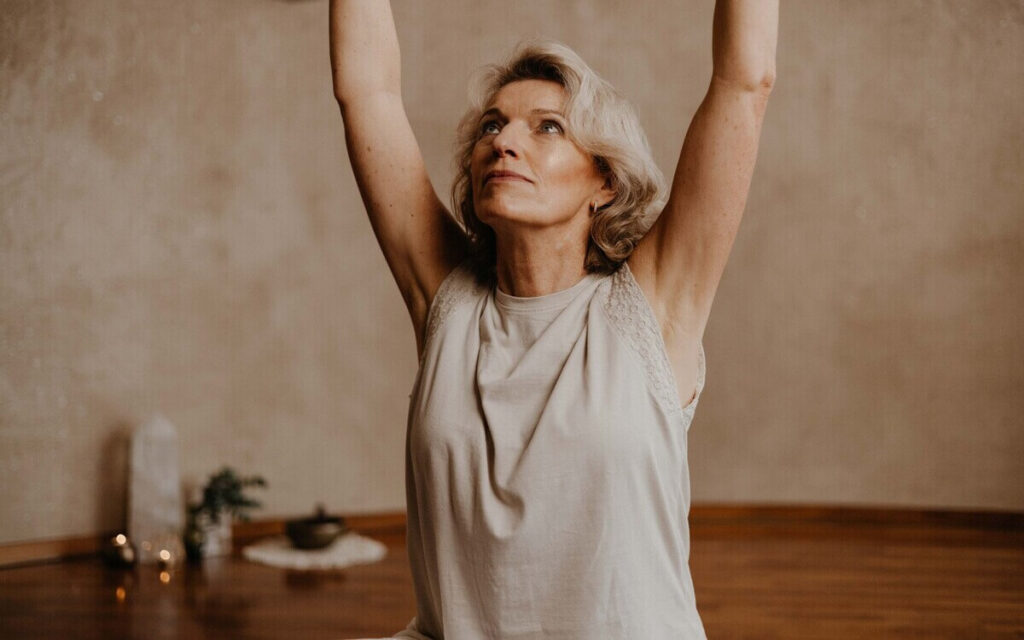
1. The calf pump: The classic exercise for the legs
The calf pump is one of the most effective exercises for stimulating lymphatic drainage in the legs. While standing , alternate between rolling your weight from your heels to the balls of your feet and back.
The rhythmic contraction of the calf muscles acts like a secondary pump, helping to move lymph from the lower body upward. Just 2–3 minutes a day—for example, while brushing your teeth—makes a noticeable difference.
2. Fruit picking: For the arms and upper body
In this simple exercise, stand up straight and alternately reach one arm high above your head— as if you were picking fruit—and then bring it back toward your body.
Deliberately stretching and taking a deep breath as you lift your arms activates lymph flow in the arms, upper body, and underarm area. 10 to 15 repetitions per side are sufficient.
3. Side leg lift: Promote lymphatic drainage in the legs
Standing upright, lift each leg out to the side in turn. This movement engages the muscles on the inner and outer thighs and specifically stimulates lymphatic drainage in the legs. Perform the exercise slowly and with control—speed is less important here than mindfulness.
4. Deep Breathing: Using the Diaphragm Pump
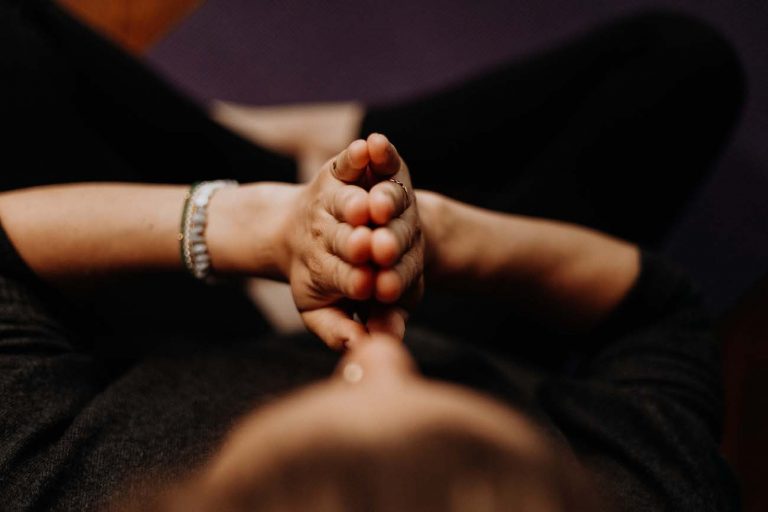
When you breathe, the diaphragm acts as a natural pump for the lymphatic system. Deep abdominal breathing (pranayama) creates pressure changes in the chest that actively help move the lymph. Sit comfortably, place one hand on your abdomen, and take 5 to 10 deep breaths in through your nose —so that your abdomen rises—and out slowly through your mouth.
This simple breathing exercise can also be easily incorporated into yoga and meditation routines.
5. Jumping and Hopping: The Full-Body Workout
Gentle jumping is considered one of the most effective ways to stimulate lymphatic flow throughout the body. It doesn't matter whether you use a mini-trampoline, do jumping jacks, or jump rope.
The changes in gravity as you move up and down exert a specific pressure on the body’s fluids and really get the lymph flowing. Just five minutes of this during your morning Ayurvedic routine can noticeably reduce that heavy feeling in your legs.
Overview: Stimulating Lymphatic Flow – Exercises for the Legs and Upper Body
| Exercise | Target range | Duration / Repetitions | Level of difficulty |
| Calf pump | Legs, feet | 2–3 minutes a day | Very light |
| Fruit Picking | Arms, upper body | 10–15 reps per side | Light |
| Side leg raise | Thigh, hip | 10–12 reps per side | Light |
| Deep breathing (Pranayama) | Chest, abdomen | 5–10 breaths | Very light |
| Trampoline jumping | Full body | 5–10 min. | Light |
Boost Lymphatic Flow with Home Remedies: 4 Tips That Really Work
Ayurvedic nutrition focuses on gentle, regular adjustments rather than drastic changes —making it easy to incorporate into daily life.

Tip #1: Drink enough—but make sure it’s the right kind
The lymphatic system transports a lot of fluid—and therefore needs an adequate supply of it. A good rule of thumb is 25 to 40 ml of fluid per kilogram of body weight per day. For a person weighing 70 kg, that amounts to about 1.75 to 2.8 liters a day.
Herbal teas and still water are particularly recommended. In Ayurveda, warm water is often preferred because it supports digestion and metabolism better than cold water.
Tip #2: Contrast showers to boost circulation
Contrast showers are a classic home remedy for stimulating blood circulation and, by extension, lymph flow. Start by showering with warm water, then switch to cold—and repeat this 3 to 5 times.
It’s best to start from the bottom up and rinse your legs and arms first before stepping fully into the shower. Always finish your shower with cold water. The alternating temperature changes cause your blood vessels to rhythmically expand and contract, which acts like a natural pump for the lymphatic system.
Tip #3: Diuretic foods and herbs
Certain foods can naturally support lymphatic drainage. Ayurvedic foods are particularly helpful:
- Asparagus, cucumbers, parsley – natural diuretics
- Ginger and turmeric – stimulate blood circulation and have anti-inflammatory effects
- Lemon water in the morning – gently stimulates lymph flow and supports acid-base balance
- Green tea and nettle tea – detoxifying and metabolism-boosting
Tip #4: Self-massage: Simple lymphatic drainage at home
A gentle massagecan noticeably promote lymphatic drainage. Important: Do not knead or press hard—instead, use light pressure to stroke, always toward the nearest lymph nodes (2).
Here's how to do it:
- Start at the neck and throat area and gently stroke the skin toward the shoulder with the flat of your hand.
- Stroke the inner side of the forearm—from the wrist to the armpit.
- Leg: Gently massage from the ankle to the groin.
What does Ayurveda say about lymph flow?
In Ayurveda, the lymphatic system is associated with the concept of Rasa Dhatu—the first of the seven bodily tissues (Dhatus). Rasa literally means “juice” or “taste” and refers to the nourishing fluid that supplies and cleanses the body’s tissues.

A healthy Rasa Dhatu is the foundation of Ojas —the vital life force that supports the immune system, radiance, and inner strength. Nurturing this force is one of the core goals of Ayurvedic medicine and treatment.
How do Kapha, Vata, and Pitta differ in terms of lymph flow?
The Ayurvedic constitution type influences how the lymphatic system responds to stress:
- Kapha types tend to suffer from congestion and water retention and benefit from warming, stimulating treatments.
- Vata types often have dry, irregular lymphatic flow and benefit from oil-based treatments such as Abhyanga massage.
- Pitta types may be prone to inflammatory reactions in the lymphatic system when overheated and need cooling, soothing stimuli.
Ayurvedic Nutrition for Healthy Lymphatic Drainage
Ayurvedic nutrition recommends the following for a healthy lymphatic system:
- Light, warming meals that strengthen the digestive fire (Agni) and do not put additional strain on the lymphatic system
- Warming spices such as ginger, turmeric, cinnamon, and black pepper, which promote circulation
- Reducing the consumption of heavy, cold foods and dairy products, which, according to Ayurvedic teachings, can lead to mucus buildup and congestion
- An alkaline diet rich in fresh vegetables to support lymphatic circulation
Abhyanga: The Ayurvedic Oil Massage for the Lymphatic System
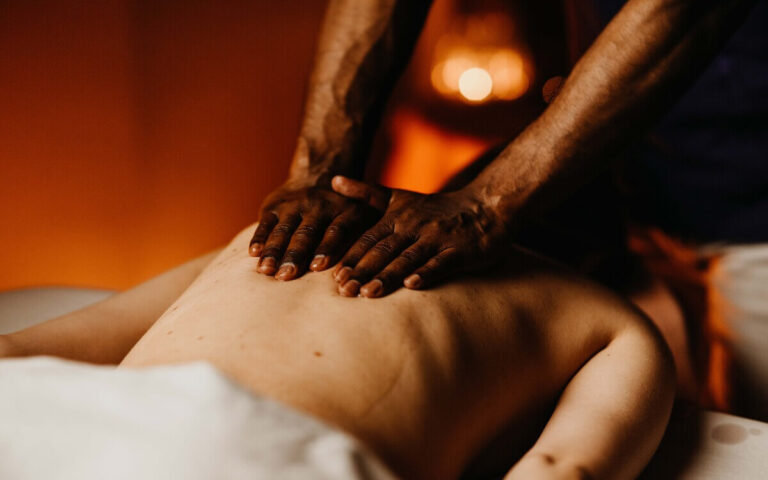
Daily self-massage with warm oil—known as Abhyanga—is one of the oldest and most powerful rituals in Ayurveda. Using smooth, long strokes, warm sesame or herbal oil is applied to the skin in the direction of lymph flow.
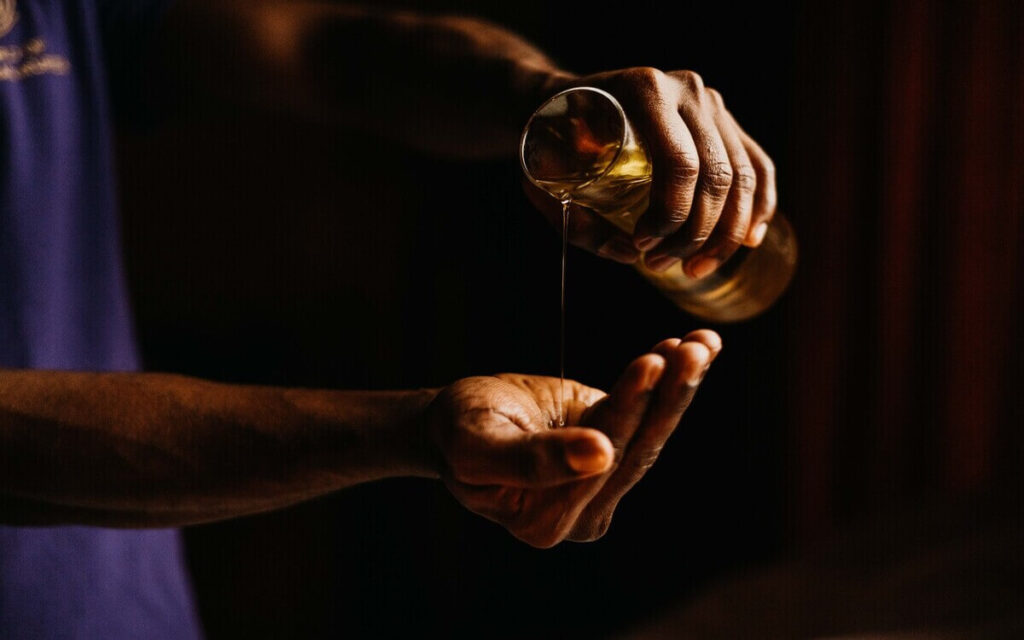
This practice not only stimulates lymphatic flow, but also nourishes the tissues, calms the nervous system, and strengthens the body’s natural defenses. At the Sonnhof Resort, experienced therapists tailor the Abhyanga treatment to your specific constitution.
Yoga for Lymphatic Drainage: The Best Exercises
From an Ayurvedic perspective, yoga is one of the best methods for promoting lymphatic flow because it combines movement, breathing, and relaxation. The following are particularly effective:
- Viparita Karani (Legs-Up-the-Wall Pose): In this inverted pose, you use gravity to help drain lymph fluid from your legs.
- Shoulder Stand (Sarvangasana): Promotes lymphatic flow throughout the body and stimulates the thyroid gland.
- Child's Pose (Balasana): Stimulates lymphatic flow in the abdominal and pelvic regions.
- Forward Bend (Uttanasana): Activates lymph nodes in the groin area and promotes drainage in the legs.
Deep abdominal breathing (pranayama) should be practiced consciously in each of these positions. This is because the diaphragm is one of the most important pumps for the lymphatic system. The yoga programs at Sonnhof incorporate these very postures into a holistic weekly program.
What else stimulates lymph flow? Exercise and everyday tips
Swimming and water aerobics are among the most effective forms of exercise because water pressure and muscle contractions act simultaneously on the tissues and support lymphatic drainage. Heat further enhances lymphatic flow.
Nordic walking and moderate strength training use the forward and backward movements of the arms to rhythmically contract and open the lymph nodes—much like a heartbeat.
Compression garments can mechanically support lymphatic drainage in cases of existing congestion and are particularly recommended for patients with lymphedema. Gentle compression stockings can also help relieve heavy legs during long periods of sitting, such as on long-haul flights.
The importance of getting enough sleep is often underestimated: During sleep, the brain’s lymphatic system works at full capacity to cleanse the nervous tissue. Periods of deep sleep are essential for the regeneration of the entire lymphatic network.
Stimulating Lymphatic Flow in the Face: Gentle Techniques for a Visibly Refreshed Look
The face is particularly sensitive to sluggish lymphatic flow— puffy eyes, morning swelling, and a sallow complexion are typical signs.
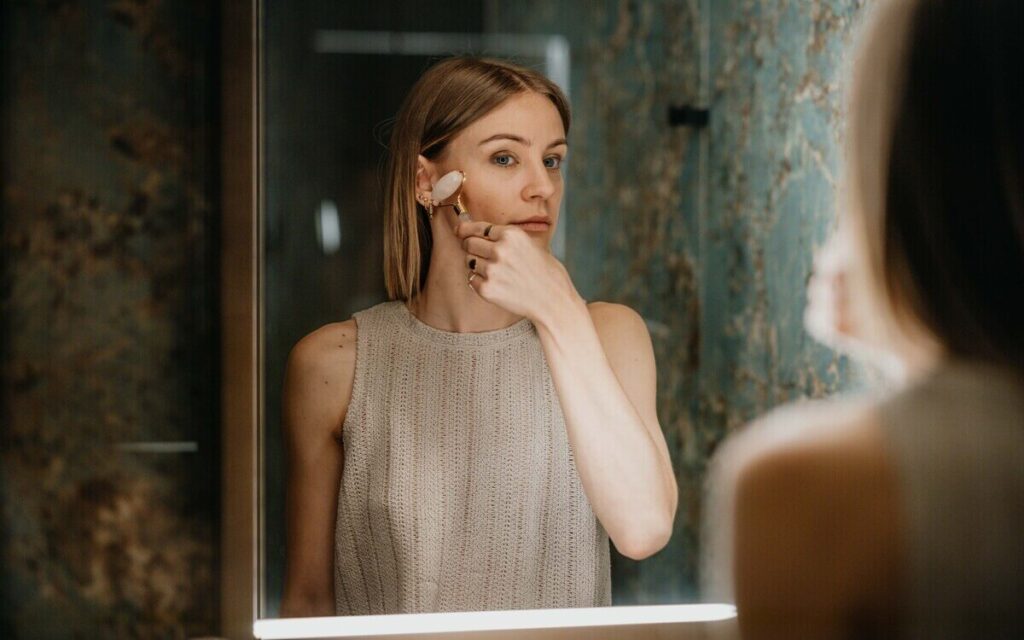
Gentle facial lymphatic drainage can help here:
- Start at the forehead and gently smooth your hair to the side using your flat fingers.
- Gently massage in a circular motion under your eyes—moving from the inside out.
- Gently stroke along your cheekbones toward your ears.
- Gently stroke down the neck to direct lymphatic drainage toward the collarbone.
Important: Never apply too much pressure! The lymphatic tissue in the face is particularly delicate and responds best to very light pressure.
Relieving Lymphatic Congestion: When Is Professional Help Necessary?
A slightly sluggish lymphatic flow can be effectively improved using the everyday methods described above. However, significant or persistent swelling—especially following surgery or injury—requires professional medical attention. You should also be sure to see a doctor if you experience pain.
Manual lymphatic drainage is a recognized treatment method for disorders of lymphatic flow. It is performed by trained physical therapists or massage therapists and can provide relief.
Stimulate lymphatic circulation at the Ayurveda Hotel & Resort Sonnhof
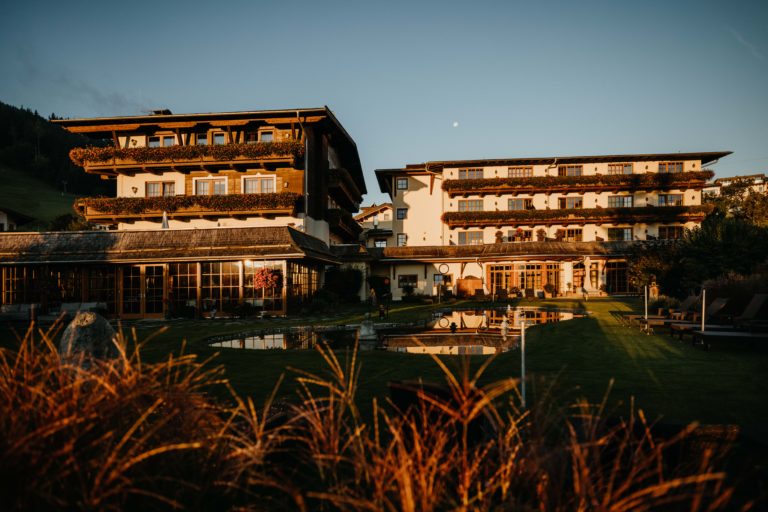
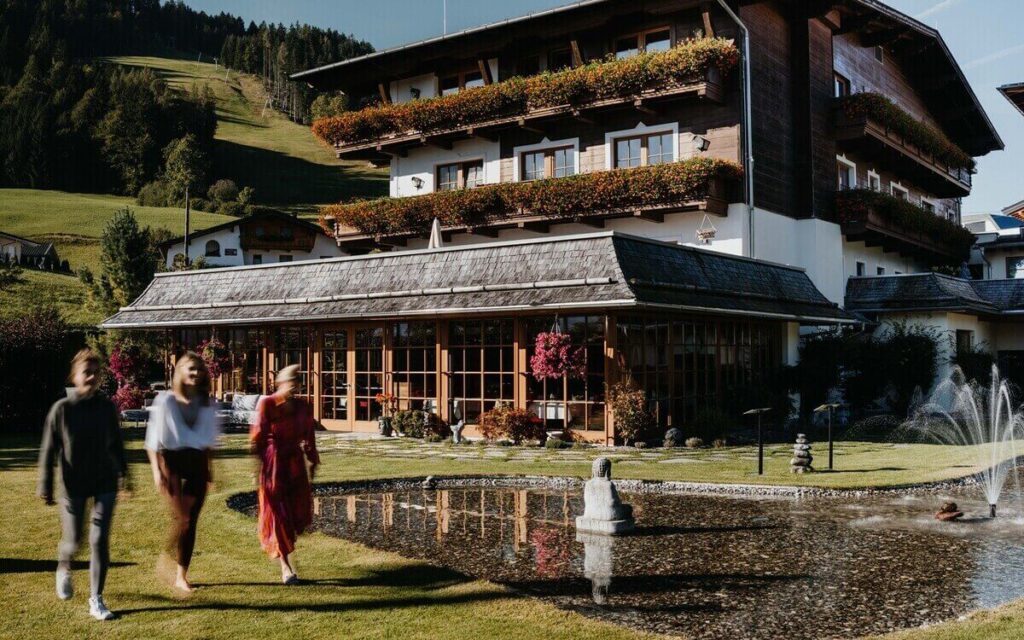
If you’re looking to do more than just provide occasional support for your lymphatic system—if you want to regenerate it from the ground up—Sonnhof Tirol offers the perfect environment. The European Ayurveda® Resort combines traditional Ayurvedic knowledge with modern insights into cellular health, epigenetics, and metabolic regulation.
Which treatments are particularly beneficial for the lymphatic system?
Detox Program: The detox programs target the root causes of a sluggish lymphatic system. Through targeted detoxification, a diet tailored to your constitution, and classic Ayurvedic treatments, the body is cleansed from the inside out. Blockages are cleared, and the immune system is strengthened for the long term.
Panchakarma Treatments: Panchakarma is the classic Ayurvedic deep cleansing treatment. The five cleansing procedures remove deposits from the tissues, activate lymphatic flow, and restore the metabolism to its natural rhythm. The Abhyanga oil massages specifically stimulate the lymphatic tissue.
Balance & Longevity Programs: For people who want not only to detoxify but also to build long-term regeneration and vitality, the Balance & Longevity Programs offer a holistic approach.
All treatment programs begin with a personalized pulse diagnosis by experienced Ayurvedic practitioners. They determine your specific constitutional type and tailor the program precisely to your needs. Not sure which treatment program is right for you? The Treatment Finder will help you choose.
FAQ: Frequently Asked Questions About Stimulating Lymph Flow
What is the most effective way to stimulate lymph flow?
Regular exercise is the most important factor—because the lymphatic system doesn’t have its own pump. Calf raises, jumping on a trampoline, swimming, and yoga are particularly effective. In addition, staying well-hydrated, taking contrast showers, and eating a light, warming diet can help.
How long does it take for lymphatic flow to improve?
Many people feel a noticeable improvement after just a few days of regular exercise—less heaviness and lighter legs. With consistent practice, lasting improvements usually become apparent within 2 to 4 weeks.
Can I perform lymphatic drainage on myself at home?
Yes—gentle self-massage is perfectly possible at home. When doing so, always use light pressure and stroke toward the nearest lymph nodes. However, if you have medically significant symptoms or a diagnosed case of lymphedema, professional manual lymphatic drainage is necessary and cannot be replaced by self-massage.
What home remedies help stimulate lymph flow?
The following have proven effective: warm lemon water in the morning, ginger and nettle tea, alternating hot and cold showers, diuretic foods, and gentle self-massage. Combining these measures regularly yields the best results.
What does "stimulating lymph flow" mean in Ayurveda?
In Ayurveda, the lymph corresponds to the Rasa Dhatu—the nourishing bodily fluid that supplies all tissues. Ayurvedic methods such as Abhyanga oil massages, warming spices, Pranayama breathing exercises, and yoga are used specifically for this purpose. This keeps the fluid flowing, strengthens Ojas, and nourishes the immune system from within.
Can I exercise if I have lymphedema?
Yes – moderate exercise is actually recommended for lymphedema. Swimming, Nordic walking, yoga, and light strength training are suitable options. Sudden or jerky movements should be avoided, and compression garments should be worn during exercise. Please always consult your treating physician for personalized advice.
Is coffee bad for the lymphatic system?
Coffee in moderation is safe for most people. However, since caffeine has a diuretic effect, high coffee consumption can negatively affect fluid balance and thus indirectly impair lymph flow. In Ayurveda, coffee is used with caution for Kapha and Pitta types. Those who wish to actively support their lymphatic system should supplement or partially replace coffee with herbal teas.
Sources
(1) Michael J. Davis, Scott D. Zawieja, Philip D. King. 2025. Transport and Immune Functions of the Lymphatic System. Annual Review of Physiology. 87:151-172. https://doi.org/10.1146/annurev-physiol-022724-104908
(2) Vallet, M. “Manual Lymphatic Drainage.” Massage Therapy Journal, vol. 62, no. 2, summer 2023, pp. 10+. Gale OneFile: Health and Medicine, link.gale.com/apps/doc/A756931465/HRCA?u=anon~1b028769&sid=googleScholar&xid=2b32e346. Accessed 26 Mar. 2026.